
Caribbean Media Exchange and US Virgin Islands Government Unite to Champion Jamaica Recovery After Hurricane Melissa
In the wake of one of the most destructive storms to strike the region in recent memory, Caribbean media professionals and government leaders are coming together to channel support where it is needed most. The Caribbean Media Exchange has announced a partnership with the US Virgin Islands Government to raise funds and awareness for Jamaica's recovery from Hurricane Melissa, whi
In the wake of one of the most destructive storms to strike the region in recent memory, Caribbean media professionals and government leaders are coming together to channel support where it is needed most. The Caribbean Media Exchange has announced a partnership with the US Virgin Islands Government to raise funds and awareness for Jamaica's recovery from Hurricane Melissa, which made landfall as a Category 5 system on the southwest coast earlier this week.
Caribbean Media Exchange and US Virgin Islands Government Unite to Champion Jamaica Recovery After Hurricane Melissa
Port of Spain, Trinidad and Tobago – Recent — The partnership, announced early this month, seeks to harness the reach of media platforms across the Caribbean and its diaspora communities in the United States, Canada and the United Kingdom. By connecting verified needs on the ground with willing donors abroad, the initiative aims to deliver targeted assistance to parishes still reeling from the storm's fury.
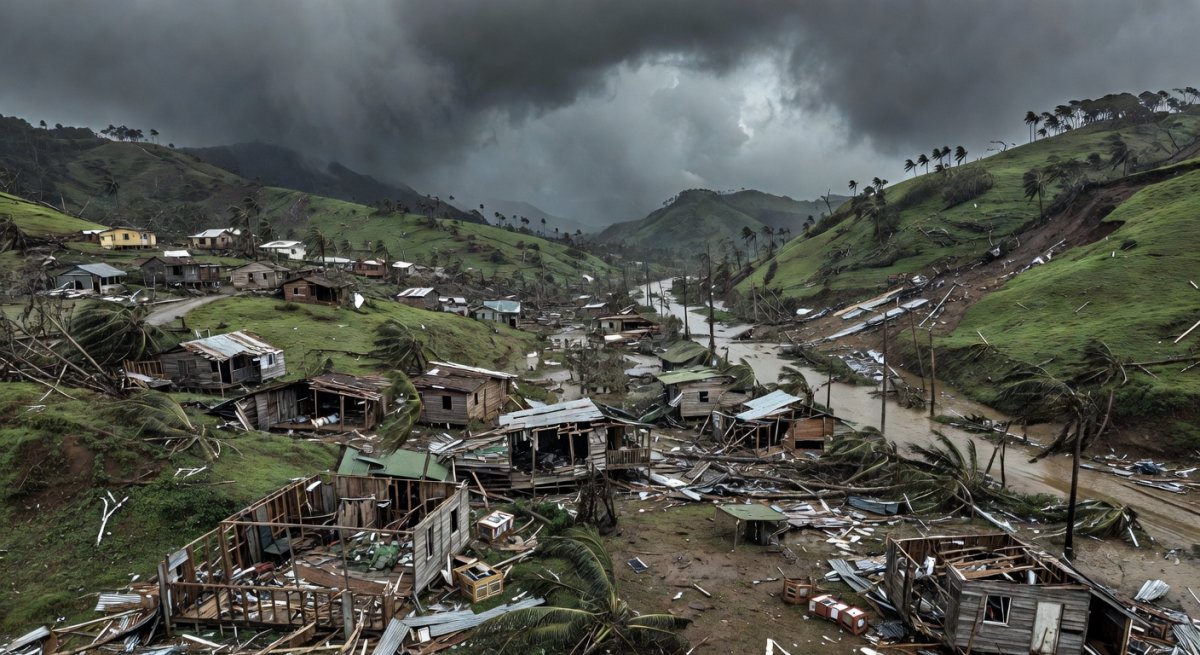
The Scale of Destruction Left by Hurricane Melissa Across Jamaica
Hurricane Melissa struck Jamaica's southwest coast with devastating force, bringing sustained winds of 185 miles per hour and dumping more than thirty inches of rain in a matter of hours. Parishes including St. Elizabeth, Manchester, Hanover and St. James bore the brunt of the assault, with homes, hospitals, schools and vital road networks reduced to rubble. At least twenty-eight lives were lost and more than fifteen thousand people sought refuge in shelters as floodwaters rose and roofs were torn away. Prime Minister Andrew Holness described the event as one of the worst natural disasters in the nation's history, a stark reminder of how quickly Caribbean communities can be upended by extreme weather. The storm later weakened to Category 3 strength as it tracked toward Cuba and the Bahamas, yet the damage in Jamaica remains profound. Families who have lived in these coastal and inland areas for generations now face the task of rebuilding from foundations that no longer exist. Local markets that once supplied fresh produce to neighbouring parishes stand empty, while health centres struggle without electricity or clean water. The human stories emerging from St. Elizabeth and Manchester speak of neighbours sharing limited resources and volunteers clearing debris by hand, reflecting the resilient spirit that defines Caribbean life. Historical parallels with earlier storms underscore the recurring challenge of recovery in small island states where resources are already stretched thin.
Formal Announcement of the CMEx and US Virgin Islands Partnership
Early this month the Caribbean Media Exchange confirmed its collaboration with the US Virgin Islands Government to coordinate fundraising and media outreach for Jamaica's recovery. The partnership is designed to leverage established media networks that span the Caribbean basin and reach diaspora populations who remain deeply connected to their homeland. Organisers emphasise that donations will be directed toward verified needs identified by local authorities and community groups, ensuring transparency and accountability. The US Virgin Islands administration brings valuable experience from its own recovery after major hurricanes, allowing for practical guidance on logistics and distribution. CMEx representatives have highlighted how media professionals can play a pivotal role by sharing accurate information and human stories that encourage giving without overwhelming already burdened local systems. This initiative arrives at a critical moment when international attention risks shifting elsewhere, yet the needs on the ground continue to grow. By framing the appeal through trusted Caribbean voices, the partnership hopes to sustain momentum and foster a sense of shared responsibility across the region and beyond.
Harnessing Diaspora Networks in the United States, Canada and the United Kingdom
The partnership places particular emphasis on engaging Caribbean communities living overseas, many of whom maintain strong family ties and financial links to Jamaica. Through targeted media campaigns on platforms familiar to these audiences, CMEx and US Virgin Islands officials aim to translate concern into concrete contributions. Past experiences have shown that diaspora remittances often form the backbone of immediate relief, supplementing official aid channels. Community organisations in cities such as New York, Toronto and London are already mobilising virtual town halls and church-based collections to amplify the message. The approach recognises that many second-generation Caribbean nationals feel a deep cultural obligation to assist, even if they have never visited the affected parishes themselves. By providing clear pathways for giving and regular updates on how funds are used, the initiative seeks to build lasting trust. This model draws on successful precedents where media-led appeals helped coordinate support after earlier regional disasters, demonstrating the power of storytelling rooted in shared identity and mutual care.
Regional Solidarity from CARICOM Neighbours and Beyond
Support has poured in from across the Caribbean, underscoring the longstanding bonds of regional cooperation. The British Virgin Islands Premier Dr. Natalio Wheatley referenced his territory's own recovery from Hurricanes Irma and Maria in 2017 when pledging assistance. St. Kitts and Nevis Prime Minister Dr. Terrance Drew announced a contribution of US$100,000 on 2 November 2025. Trinidad and Tobago, under Prime Minister Kamla Persad-Bissessar, dispatched eight shipping containers filled with essential supplies. Further afield, El Salvador sent three planes carrying three hundred rescuers and fifty tons of humanitarian aid, while Venezuela provided more than ten tons of food, mattresses and medical supplies. Colombia contributed twenty-two tons of relief materials transported by naval vessels. These gestures reflect CARICOM principles of mutual assistance and the recognition that climate threats affect the entire region. Neighbouring islands understand that resources shared today may be needed in return tomorrow, strengthening collective resilience against future storms.
Corporate Partners Stepping Forward with Practical Assistance
Private sector entities have also mobilised swiftly. T-Mobile has committed to donation matching and the provision of emergency communication devices to restore connectivity in isolated communities. Airbnb.org is arranging free temporary stays for displaced families. United Airlines is transporting medical teams along with generators and water filtration systems. American Airlines is delivering hygiene kits and other critical supplies, while JetBlue has focused on water filters and emergency tools. Airlink is handling medical gear, generators and overall logistics coordination. Carnival Cruise Line has positioned ships at Ocho Rios to support both tourism recovery and direct relief distribution. These contributions complement government efforts by addressing immediate gaps in infrastructure and services. Corporate involvement often brings specialised expertise and supply chains that can move faster than bureaucratic processes alone, yet coordination with local authorities remains essential to avoid duplication. The combined effect is a broad network of support reaching into the hardest-hit parishes.
The Vital Role of Media in Sustaining Recovery Momentum
Caribbean Media Exchange brings decades of experience connecting journalists, broadcasters and content creators across the region. In times of crisis this network proves invaluable for disseminating accurate information, countering misinformation and keeping distant communities informed. The current partnership extends that mission by using media platforms to spotlight verified recovery projects and encourage sustained engagement. One Caribbean Television has already aired segments highlighting the collaboration, ensuring that stories from Jamaica reach living rooms throughout the diaspora. Journalists on the ground continue to document both the scale of loss and the quiet acts of neighbourly support that rarely make international headlines. This consistent storytelling helps maintain public focus long after initial news cycles fade. By prioritising local voices and verified needs, media professionals help build accountability and foster a sense of ongoing solidarity rather than fleeting sympathy.
Building Long-Term Resilience Through Coordinated Caribbean Efforts
While immediate relief remains the priority, the CMEx and US Virgin Islands partnership also looks toward longer-term recovery and resilience building. Lessons from previous storms have shown that reconstruction must incorporate stronger building standards, improved drainage and community-based early warning systems. Media campaigns can educate the public on these measures while celebrating local innovations in sustainable rebuilding. CARICOM frameworks provide a platform for sharing best practices across islands facing similar climate risks. As the region continues to experience more intense weather events, collaborative initiatives like this one strengthen the social fabric that enables communities to rebound. The warmth and determination already evident in Jamaican parishes, supported by regional and corporate partners, offer hope that recovery will be both swift and enduring. Continued attention from diaspora audiences and media outlets will be essential in the months ahead.
By Sharon Sahatoo, Staff Writer
This article was produced with AI-assisted research and editorial support. Reporting is based on sources cited in the article.
What's Your Reaction?
 Like
0
Like
0
 Dislike
0
Dislike
0
 Love
0
Love
0
 Funny
0
Funny
0
 Wow
0
Wow
0
 Sad
0
Sad
0
 Angry
0
Angry
0

Caribbean Correspondent at Global1.News. Based in Port of Spain, Trinidad, covering Caribbean politics, economy, energy, climate, and culture. Amplifying the voices and stories of the Caribbean region.










Comments (0)