
Cape Verde Shock Spain with 0-0 World Cup 2026 Draw
The Night African Football Stood Tall in Atlanta The Mercedes-Benz Stadium in Atlanta pulsed with energy on June 15, 2026, as Cape Verde made their World Cup debut against European champions Spain. A nation of roughly 500,000 people stood toe-to-toe with the world's number two ranked side and emerged with a 0-0 draw that sent shockwaves through global football. South African vi
The Night African Football Stood Tall in Atlanta
The Mercedes-Benz Stadium in Atlanta pulsed with energy on June 15, 2026, as Cape Verde made their World Cup debut against European champions Spain. A nation of roughly 500,000 people stood toe-to-toe with the world's number two ranked side and emerged with a 0-0 draw that sent shockwaves through global football. South African viewers glued to SuperSport witnessed a performance that echoed the underdog spirit deeply rooted in our own sporting culture.
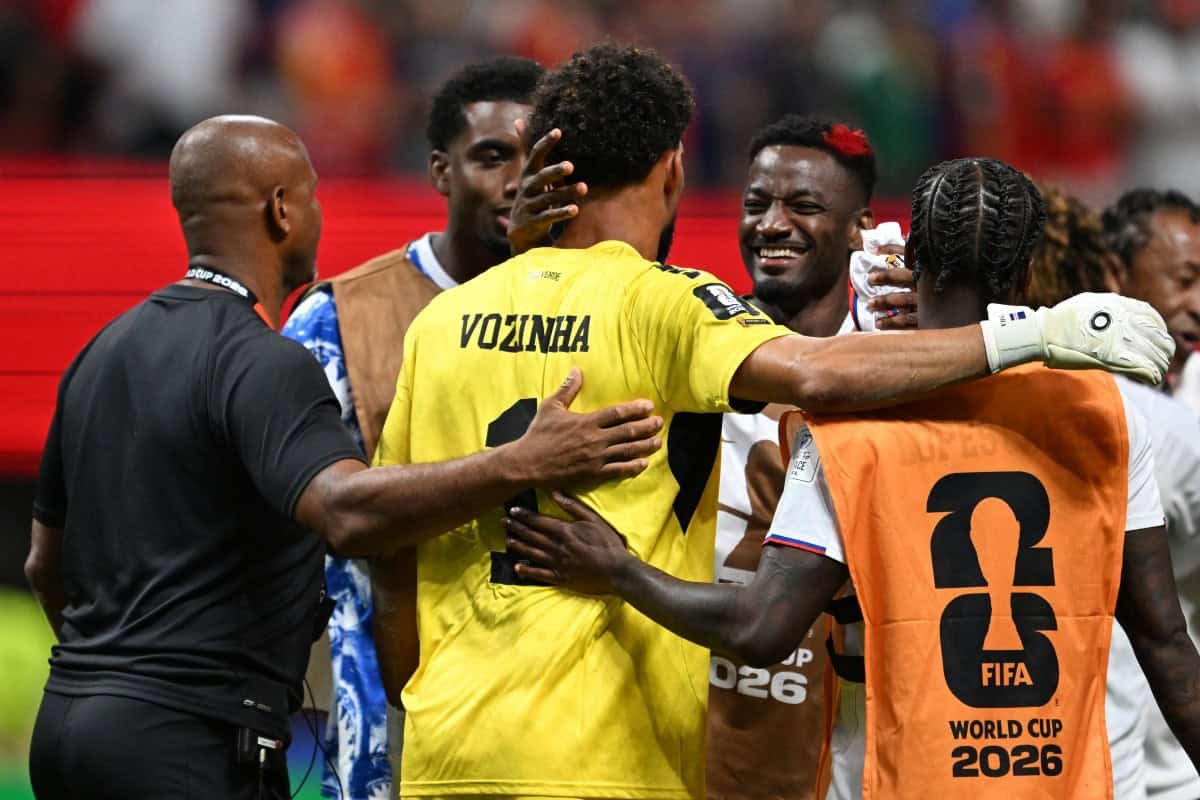
Cape Verde goalkeeper Vozinha was the hero with seven saves. (The Citizen)
The result carried extra weight for fans back home who remember South Africa's 2010 World Cup legacy. That tournament showed the world how African nations can host and compete on the biggest stage. Cape Verde's defensive masterclass reminded many of Bafana Bafana's own battles against superior opposition, where heart and organisation often outweigh raw rankings.
Spain entered the match as heavy favourites, yet the final whistle confirmed a famous point for the debutants. The roar from the stands reflected pride across the African continent, with South African supporters celebrating every clearance as if it were their own team on the pitch. This night reinforced the idea that football's beauty lies in its unpredictability.
Connections to South Africa's transformation journey felt natural as viewers watched a smaller nation challenge giants. Just as grassroots programmes in our townships nurture talent against the odds, Cape Verde proved that belief and structure can level the playing field. The 0-0 scoreline will be replayed for years in living rooms from Cape Town to Dakar.
Vozinha: The 40-Year-Old Wall That Spain Couldn't Breach
Vozinha, the 40-year-old goalkeeper, produced a heroic display that defined Cape Verde's night. He made seven saves to keep Spain at bay, earning comparisons to legendary performances by keepers of similar vintage. Only Pat Jennings, with his ten saves against Brazil in 1986 at age 41, stands above him among goalkeepers over forty in World Cup history. His performance became the talking point for South African fans watching on SuperSport.
The veteran custodian's story added emotional depth. Named after a Brazilian footballer by his father, who shared the tale during an interview with Telemundo, Vozinha carried personal pride onto the field. At an age when many have retired, he stood firm against relentless pressure, embodying the resilience that South African sports lovers admire in their own veterans who continue contributing to the game.
Each save sparked celebrations that rippled across African households. South African viewers drew parallels to Bafana Bafana keepers who have produced match-defining moments in crucial qualifiers. Vozinha's seven stops highlighted how experience can trump youthful athleticism when organisation meets opportunity.
The performance also spoke to the broader theme of longevity in African football. Just as South Africa values players who mentor the next generation through grassroots initiatives, Vozinha showed that age is no barrier when preparation and mental strength align. His display will inspire young goalkeepers across the continent watching replays on local broadcasts.
Referee Adham Makhadmeh's decisions kept the game flowing, allowing Vozinha's heroics to shine without interruption. The Jordanian official managed a tense encounter where every moment carried weight for the debutants.
Spain's Dominance That Produced Nothing
Spain controlled the match with 74.2 percent possession and registered 27 shots, yet failed to find the net. Their 801 passes set a new World Cup record, underlining technical superiority that could not translate into goals. An expected goals figure of 2.29 told the story of chances created but not converted against a resolute Cape Verde defence.
Coach Luis de la Fuente watched his side dominate territory without reward. Players including Pedri, Lamine Yamal, Mikel Oyarzabal and Ferran Torres featured prominently in the attacking moves, but the final ball lacked the precision needed to breach the organised backline. South African analysts on SuperSport noted similarities to matches where Bafana Bafana have frustrated higher-ranked opponents through compact defending.
The statistics painted a picture of one-sided control that ultimately yielded frustration. Spain's inability to convert dominance into points continued a pattern where they have lost or drawn their opening match in ten of their last sixteen World Cup appearances. This historical trend added context to the shock result for viewers in South Africa.
Despite the possession advantage, the European champions could not break down the debutants. The outcome served as a reminder that football rewards more than statistics, a lesson familiar to South African fans who have seen their national team punch above its weight through collective effort rather than individual brilliance.
How Cape Verde's Tactical Discipline Shut Down a Favourite
Coach Bubista orchestrated a game plan built on defensive shape and mental resilience that neutralised Spain's attacking threats. Cape Verde, ranked 67th in the world, absorbed pressure and limited clear opportunities despite the opponents' overwhelming possession statistics. The approach mirrored the disciplined performances South African supporters have admired in Bafana Bafana's better outings.
Every player contributed to a compact structure that frustrated Spain's attempts to find space. Transitions were managed carefully, preventing the European side from exploiting any gaps. This tactical discipline allowed Vozinha to focus on his seven saves rather than facing constant one-on-one situations.
The mental strength displayed by the Cape Verde squad stood out in a high-stakes World Cup environment. Facing a nation that has won major titles, they maintained focus for the full ninety minutes. South African fans watching on SuperSport recognised the same fighting spirit that has defined underdog stories in our domestic leagues and national team campaigns.
Bubista's preparation paid dividends as the team executed their roles without deviation. The result proved that organisation and belief can overcome significant ranking gaps, offering encouragement to smaller football nations across Africa. South Africa's own grassroots transformation efforts aim to build similar foundations for future success.
The performance highlighted how African teams can compete when they prioritise collective responsibility over individual flair. Cape Verde's point will be studied by coaches and players throughout the continent as an example of what disciplined execution can achieve on the global stage.
What This Means for African Football and South African Fans
Cape Verde's achievement resonated deeply with South African audiences following the match on SuperSport. The 0-0 draw against the second-ranked team in the world boosted pride in African football and sparked conversations about Bafana Bafana's potential in future tournaments. Fans drew direct comparisons to South Africa's 2010 World Cup experience, where the nation showed it could compete with the best.
The result reinforced the underdog spirit that runs through South African sporting culture. Just as local teams often exceed expectations through unity and determination, Cape Verde demonstrated that population size and FIFA ranking do not dictate outcomes. This message encourages young players in townships and rural areas pursuing their dreams.
African representation received a significant boost from the performance. Supporters across the continent celebrated the point as a collective victory, with South African viewers particularly vocal on social media and call-in shows. The night connected to ongoing transformation efforts aimed at developing talent from all backgrounds.
The historic debut also highlighted parallels between Cape Verde's journey and South Africa's post-2010 development of football infrastructure. Both stories emphasise the importance of belief and structured preparation in elevating the game. Fans left the broadcast feeling inspired for the remainder of the tournament.
Ultimately, the match served as a reminder that African football continues to grow in stature. South African supporters will carry this energy into upcoming fixtures, hopeful that similar underdog tales can unfold for Bafana Bafana in years to come.
Group H Outlook: What Comes Next
Spain will face Saudi Arabia next as they look to recover from the opening draw. The European champions must convert their possession dominance into results if they hope to advance comfortably from Group H. South African viewers on SuperSport will monitor whether the team adjusts its approach after the frustration in Atlanta.
Cape Verde turn their attention to Uruguay on June 21, another stern test against a traditional powerhouse. The debutants will aim to replicate the defensive organisation that earned them a point against Spain. Any further positive result would mark an extraordinary start to their World Cup campaign.
The group remains finely balanced after the opening matches. Spain's historical tendency to struggle in opening fixtures adds intrigue to their remaining games. Cape Verde's point provides a platform they can build upon with continued discipline and resilience.
South African fans will follow both teams closely, drawing motivation from Cape Verde's example. The outcomes will influence discussions about how African sides can progress in future World Cups, echoing themes from South Africa's own hosting experience in 2010.
The Bigger Picture: Underdog Stories That Inspire Generations
Cape Verde's performance against Spain will echo through grassroots football programmes across South Africa. Young players in academies and township fields will see that tactical discipline and mental strength can overcome ranking disadvantages. This aligns with ongoing transformation efforts that seek to broaden participation and opportunity in the sport.
The underdog spirit celebrated in this result mirrors values cherished in South African sporting culture. From schoolboy rugby to domestic football leagues, stories of smaller teams toppling giants fuel passion and participation. Cape Verde's point adds a fresh chapter to that narrative on the global stage.
Coaches and administrators in South Africa will study the match for lessons on organisation and resilience. The 0-0 draw demonstrates that preparation and belief remain central to success, regardless of resources. These principles underpin development programmes aimed at producing the next generation of national team players.
The night in Atlanta reinforced football's power to unite and inspire. South African supporters will carry the memory forward, hopeful that similar moments await Bafana Bafana and other African nations. Underdog tales like this one strengthen the continent's football identity for years to come.
Tags: Cape Verde, Spain, World Cup 2026, Vozinha, African football, SuperSport, Bafana Bafana, Mercedes-Benz Stadium, Group H, Bubista
By Dante Williams, Staff Writer
This article was produced with AI-assisted research and editorial support. Reporting is based on sources cited in the article.
What's Your Reaction?
 Like
0
Like
0
 Dislike
0
Dislike
0
 Love
0
Love
0
 Funny
0
Funny
0
 Wow
0
Wow
0
 Sad
0
Sad
0
 Angry
0
Angry
0

Breaking News and Investigations Correspondent at Global1.News. Based in London, covering global breaking news, security, and investigative stories. Known for digging deeper and connecting the dots across continents.











Comments (0)