
Bafana Bafana 2026 World Cup: Azteca to Must-Win South Korea Clash
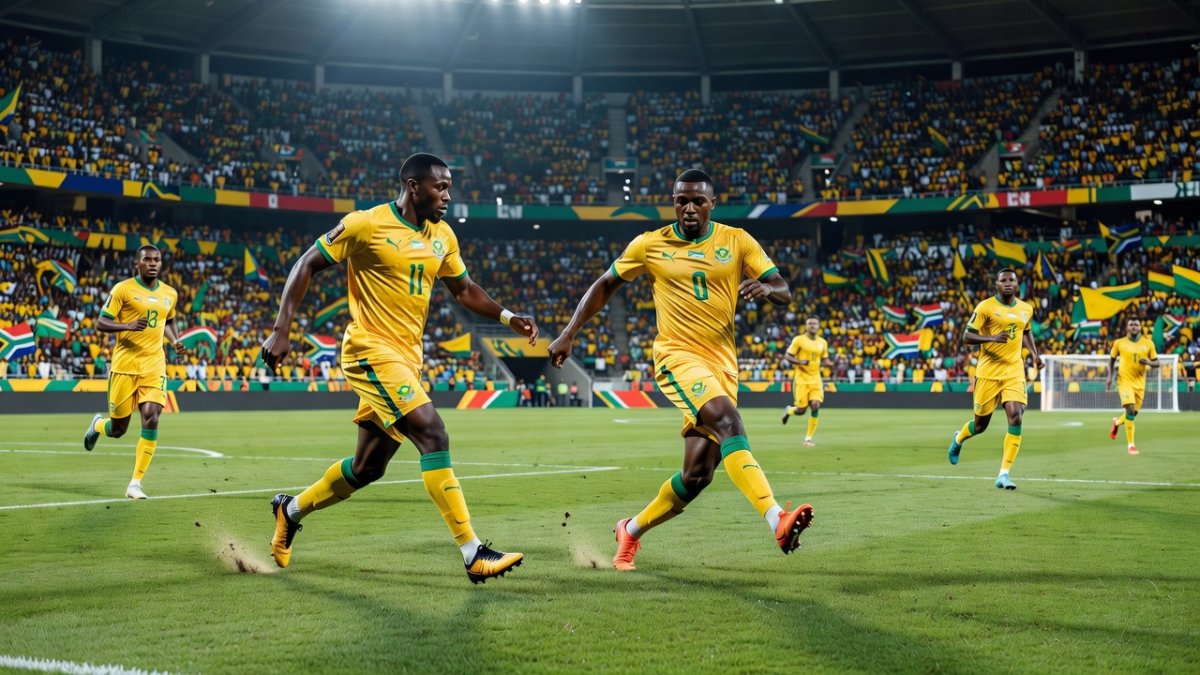
The Azteca nightmare The Estadio Azteca roared like a living beast on June 11, 2026, as Bafana Bafana stepped onto the pitch for their opening 2026 FIFA World Cup match against co-hosts Mexico. The altitude and the crowd created an immediate wall of pressure that tested every South African player from the first whistle. Ronwen Williams led the side with quiet authority, yet the
The Azteca nightmare
The Estadio Azteca roared like a living beast on June 11, 2026, as Bafana Bafana stepped onto the pitch for their opening 2026 FIFA World Cup match against co-hosts Mexico. The altitude and the crowd created an immediate wall of pressure that tested every South African player from the first whistle. Ronwen Williams led the side with quiet authority, yet the defensive setup chosen by Hugo Broos invited early trouble. Julian Quinones struck in the ninth minute, and the stadium erupted in a wave of green that seemed to swallow the visitors whole.
By the 67th minute Raul Jimenez had doubled the lead, and the match turned chaotic. Three red cards in total marked this as a historic World Cup opener, with Themba Zwane dismissed in the 84th minute after a VAR review. Bafana finished with nine men, their campaign already bruised. The loss exposed the fine line between caution and vulnerability in high-stakes football. South African supporters watching back home felt the sting, yet the performance also revealed resilience under extreme conditions that few teams ever face at this level.
Mokoena's historic moment
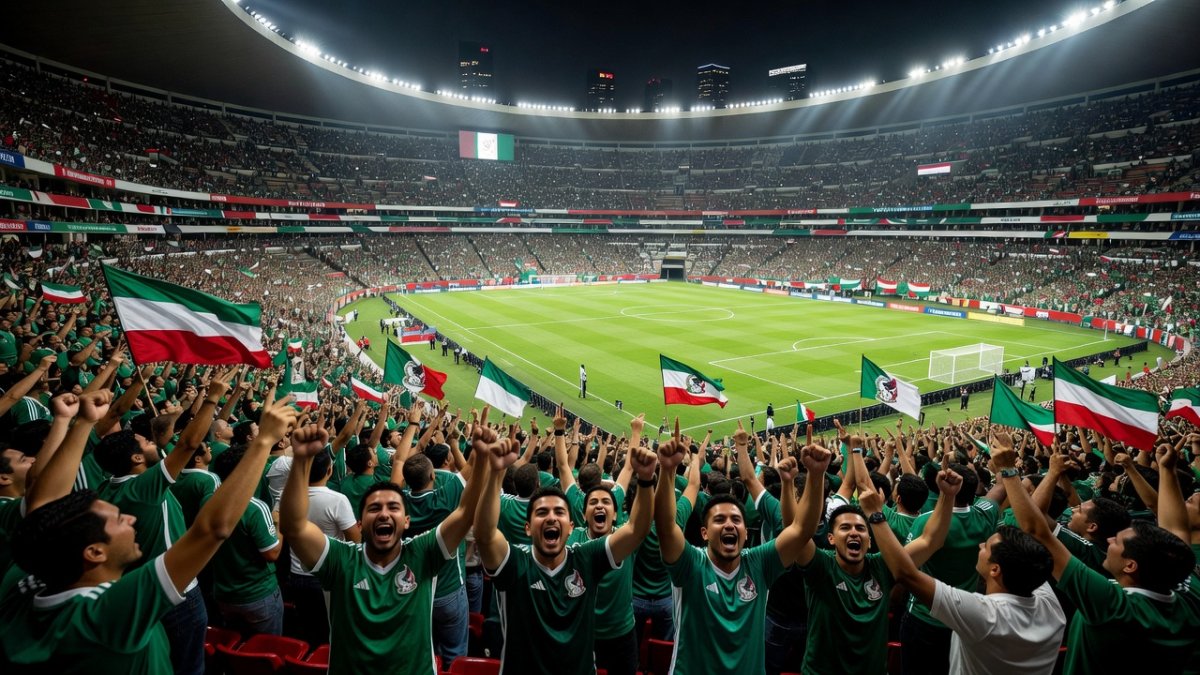
Seven days later in Atlanta Stadium the mood shifted dramatically. Michal Sadilek gave Czech Republic an early lead, but Bafana refused to fold. With the clock ticking toward the 83rd minute, Teboho Mokoena stepped up to convert a penalty that ended a 16-year drought for South African goals at the World Cup. The strike carried the weight of an entire nation that had waited since 2010 for such a moment on the global stage.
The celebration that followed was pure South African joy, players piling on Mokoena while the travelling supporters sang in the stands. That single point felt like a lifeline after the Azteca disappointment. Mokoena’s composure under pressure showed the maturity of a player who understands the cultural significance of representing Bafana Bafana. The equaliser also highlighted how set-piece execution can change tournament narratives in an instant. Fans across provinces replayed the moment on phones and television screens, turning a draw into a symbol of renewed hope.
Discipline crisis
The three red cards across the opening two matches forced uncomfortable conversations about discipline within South African football. Themba Zwane’s three-match ban handed down by FIFA after the Azteca incident removed a key creative force at the worst possible time. The fact that Bafana played with nine men against Mexico spoke to the intensity of the occasion, yet it also raised questions about emotional control under extreme pressure.
Hugo Broos faced criticism for the defensive approach that left the team exposed, but the red cards themselves pointed to deeper issues around decision-making in crucial moments. South African football has long battled perceptions of indiscipline at the highest level, and these incidents only amplified that narrative. The domestic league and national team structures must now confront how to instil greater composure without sacrificing the passion that defines the game in our communities. The Zwane ban served as a stark reminder that every action on the pitch carries consequences far beyond ninety minutes.
The do-or-die South Korea clash
With Mokoena suspended through accumulated yellow cards, Bafana Bafana face a must-win encounter against South Korea on June 25 at Estadio Monterrey. Kick-off at 03:00 South African time adds another layer of challenge for players and supporters alike. Facundo Tello of Argentina will referee the fixture, and Mexico have already secured qualification for the last 32, meaning the group dynamics favour the teams still fighting for progression.
Without Mokoena’s midfield control, Broos must find new ways to maintain structure while chasing the victory required. Tactical adjustments will likely centre on compact defending and quick transitions, yet the absence of a suspended player who delivered the team’s only goal so far creates a clear void. The cultural weight of this match cannot be overstated. Every South African who has followed the journey from the Azteca nightmare to the Atlanta point now pins hopes on a performance that could rewrite the campaign’s story under the Mexican night sky.
Qualification permutations
The mathematics are unforgiving yet clear. A win against South Korea combined with Czech Republic failing to beat Mexico would see South Africa finish second in Group A on four points and advance to the knockout stage. Anything less than victory almost certainly ends the campaign before it truly begins. These permutations have dominated conversations in townships, shebeens and boardrooms across the country since the Atlanta draw.
Supporters understand that the path to the last 32 hinges on both Bafana’s result and events in the parallel fixture. The pressure on the players is immense, but so is the collective belief that South African football can still produce moments of magic when everything aligns. Hugo Broos and his squad must navigate these calculations with focus, knowing that one positive outcome could transform disappointment into national celebration. The stakes have never been higher for this generation of Bafana Bafana.
The 2010 Echo
Teboho Mokoena’s penalty carried echoes of 2010 that still resonate deeply within South African hearts. That tournament remains the only time the nation hosted the World Cup, and the last time a Bafana player found the net on this stage. The 16-year gap between goals speaks to the challenges the national team has faced in maintaining consistent presence at the highest level.
Connecting the present campaign to that historic summer reminds us of the legacy left by the 2010 squad and the responsibility current players carry. Ronwen Williams and his teammates understand they are writing new chapters in a story that began with such hope on home soil. The Atlanta celebration mirrored the joy felt across stadiums in 2010, proving that football’s power to unite remains undiminished. This continuity between eras gives the current journey added emotional depth for every supporter who remembers both moments.
SA football's bigger picture
Beyond the results on the pitch lies the broader story of transformation in South African football. Grassroots programmes continue to nurture talent in every province, while the domestic league provides the foundation for players like Mokoena and Zwane to reach the World Cup stage. Hugo Broos has spoken often about the need for better structures that support young athletes from an early age.
The current campaign highlights both the progress made and the work still required. Investment in coaching education, improved facilities and stronger pathways from amateur to professional levels will determine whether Bafana Bafana can become regular participants rather than occasional visitors at major tournaments. The passion of South African fans remains the greatest asset, yet sustainable success demands continued commitment to developing the game at every level of society.
What fans are saying
Across South Africa the emotional rollercoaster has been intense. Supporters in Johannesburg, Cape Town, Durban and smaller towns have shared heartbreak after the Azteca defeat, pride after Mokoena’s penalty, and nervous anticipation ahead of the South Korea match. Social media has overflowed with messages of encouragement mixed with honest criticism of the discipline issues that cost the team dearly.
Many fans see the campaign as a reflection of the nation itself: capable of brilliance yet sometimes undone by avoidable mistakes. The unity that emerges whenever Bafana play remains a powerful force, with people from all backgrounds wearing the yellow jersey and singing anthems together. This shared experience, regardless of the final group standing, continues to strengthen the cultural bond between the team and its people in ways that transcend any single result.
Tags: Bafana Bafana, 2026 World Cup, Teboho Mokoena, Hugo Broos, Ronwen Williams, South African football
By Dante Williams, Staff WriterThis article was produced with AI-assisted research and editorial support. Reporting is based on sources cited in the article.
What's Your Reaction?
 Like
0
Like
0
 Dislike
0
Dislike
0
 Love
0
Love
0
 Funny
0
Funny
0
 Wow
0
Wow
0
 Sad
0
Sad
0
 Angry
0
Angry
0

West Africa/Sahel Correspondent at Global1.News. Dakar-based journalist covering politics, security, climate, and development across Francophone and Anglophone West Africa. Tells the stories of a region undergoing profound transformation.











Comments (0)