
UK Heatwave: Red Warning, School Closures, Travel Chaos
Record Temperatures Grip Britain The Met Office has issued a rare red weather warning for extreme heat that comes into force at 9am on Wednesday and runs until 9pm on Thursday. This alert covers a broad swathe of England and Wales stretching from London across to Somerset and Swansea and northwards towards Birmingham. Forecasters have pointed to a heat-dome settling over wester

Record Temperatures Grip Britain
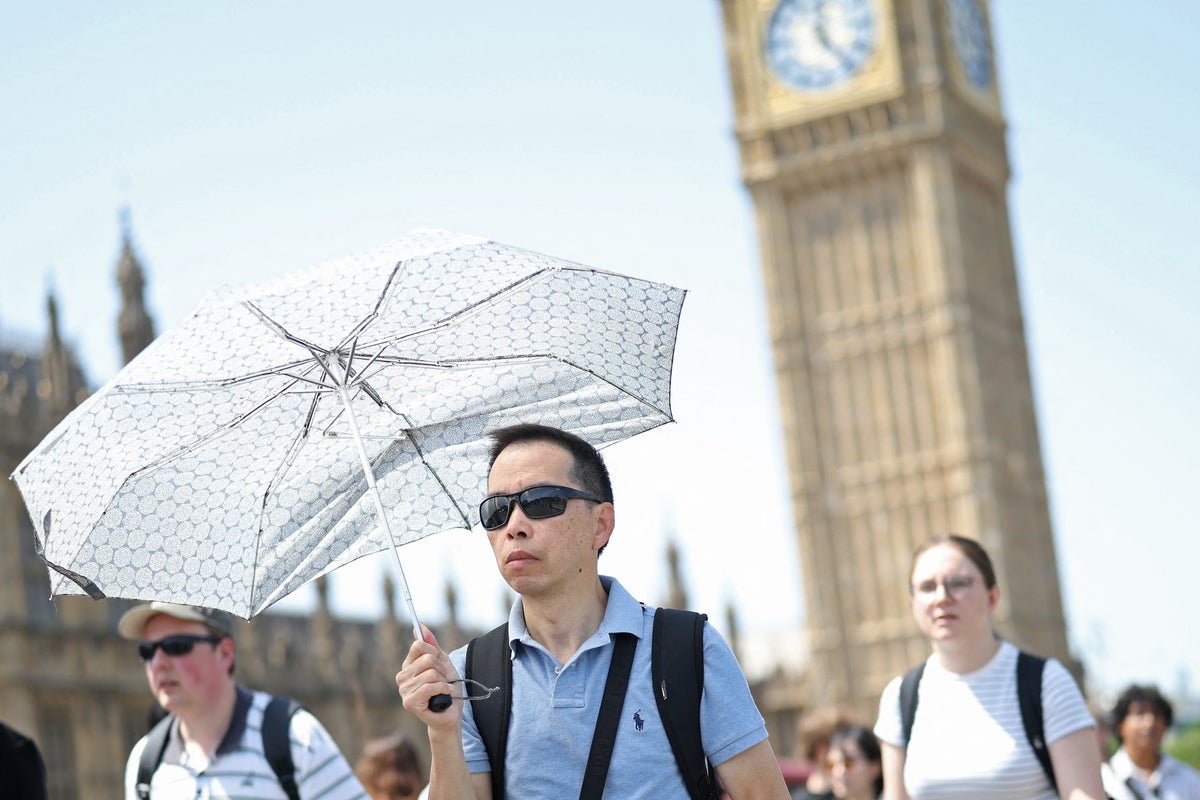
The Met Office has issued a rare red weather warning for extreme heat that comes into force at 9am on Wednesday and runs until 9pm on Thursday. This alert covers a broad swathe of England and Wales stretching from London across to Somerset and Swansea and northwards towards Birmingham. Forecasters have pointed to a heat-dome settling over western Europe as the driver behind the anticipated record temperatures of 40C expected on Wednesday.
Such conditions represent an unprecedented challenge for British institutions accustomed to more temperate summers. The Met Office has emphasised that parts of England and Wales could experience the highest temperatures ever recorded in the country. This development arrives amid a wider pattern of elevated temperatures across western Europe that has already prompted coordinated monitoring by national weather services.
Public bodies including the Environment Agency have begun assessing the implications for water resources and urban environments. The scale of the forecast has led transport operators and local authorities to issue early guidance on minimising exposure. These steps reflect the seriousness with which the Met Office data is being treated across Whitehall and regional government.
Red Warning Triggers Government Response
The government convened a COBR meeting on Tuesday morning to coordinate the national response to the incoming red weather warning. Civil contingencies planning has focused on maintaining essential services while managing the risks associated with prolonged high temperatures. Officials have drawn on established protocols developed through previous extreme weather events to ensure consistent messaging across departments.
Hosepipe bans have already been enforced across Kent, Sussex, Surrey, Hampshire and Berkshire as South East Water seeks to balance increased demand during the heatwave. These restrictions highlight the pressure placed on regional water infrastructure when temperatures rise sharply. South East Water has linked the measures directly to the surge in household usage expected over the coming days.
Whitehall coordination has extended to regular briefings with the Met Office and the Environment Agency to track evolving conditions. The emphasis remains on protecting vulnerable populations while preserving operational continuity in critical sectors. This approach mirrors the structured response frameworks used by UK institutions during previous periods of environmental stress.
Thousands of Children Kept Home as Schools Close
Almost 100 schools in Somerset will remain fully closed on Wednesday and Thursday according to Somerset Council. In Buckinghamshire around 100 schools will operate with at least partial closures over the same period while 86 schools in Gloucestershire have announced similar measures. These decisions reflect local assessments that classroom conditions would become unsafe under the forecast temperatures.
Education authorities have advised parents to keep children at home where full closures are in place and to follow updated guidance on attendance. The closures affect thousands of families across three counties and have prompted discussions about contingency learning arrangements. Councils have stressed that the priority remains the wellbeing of pupils and staff during the red warning period.
School leaders have also reviewed policies on physical education and outdoor activities in light of the heat. Many institutions have suspended lessons requiring significant physical exertion until temperatures moderate. These adjustments demonstrate how local education systems are adapting to the immediate demands of the Met Office alert.
Rail Network Under Severe Strain
Network Rail has urged passengers to travel only if absolutely necessary ahead of the red weather warning. Rail companies will operate fewer services and at reduced speeds to maintain safety amid the extreme temperatures. This precautionary approach has already produced widespread disruption on routes across the affected regions.
Avanti West Coast recorded the highest level of disruption on Wednesday morning with four out of five services either cancelled or delayed by more than thirty minutes. Chiltern Railways has confirmed it will run fewer than half its usual services until Friday while Great Western Railway has asked passengers to limit journeys to essential travel only. LNER has issued a strong recommendation against travel on both Wednesday and Thursday.
The cumulative effect of speed restrictions and cancellations has placed significant pressure on remaining capacity. Passengers have been advised to check operator updates before setting out and to allow additional time for any essential journeys. These measures illustrate the direct operational consequences of the Met Office forecast for Britain’s rail infrastructure.
NHS and Emergency Services on Alert
NHS trusts including Moorfields Eye Hospital NHS Foundation Trust and Barts Health NHS Trust have advised patients attending appointments during the heatwave to bring water and verify travel arrangements in advance. These recommendations aim to reduce the risk of heat-related illness among those travelling to medical facilities. Trusts have also reviewed internal procedures to ensure staff welfare is maintained throughout the warning period.
The London Fire Brigade has issued guidance on avoiding wildfires and water-related incidents as temperatures remain elevated. Emergency services across the capital are monitoring call volumes closely in anticipation of increased demand. The Army has cancelled ceremonial operations in London and Windsor to protect the wellbeing of its soldiers during the hottest hours.
Mayor of London Sir Sadiq Khan has activated a high air pollution alert for Wednesday following advice from forecasters at Imperial College. This marks the third such alert issued in the capital this year. Public health messaging has been coordinated with NHS England to ensure consistent advice reaches residents and visitors alike.
International and Environmental Fallout
Eurostar has cancelled four trains scheduled between London and Paris on Wednesday and Thursday due to expected adverse weather conditions. The decision affects travellers on one of Europe’s busiest international rail corridors and reflects the cross-border reach of the heat-dome. Operators have advised passengers to monitor updates and consider alternative dates where possible.
Natural Resources Wales has released additional water into the River Dee to lower the risk of fish deaths during the high temperatures. This intervention demonstrates the proactive steps taken by environmental agencies to protect aquatic ecosystems under stress. The measure forms part of wider efforts by Natural Resources Wales to safeguard biodiversity during periods of extreme heat.
These international and environmental measures underscore the interconnected nature of the current weather event. Disruptions to cross-Channel services and targeted river management both stem directly from the same meteorological conditions. UK institutions continue to liaise with counterparts in Europe to share information and coordinate responses.
What This Means for Britain's Infrastructure
The current episode reveals both strengths and limitations in Britain’s preparedness for extreme heat events. Rail operators have demonstrated the capacity to implement rapid service reductions yet the resulting cancellations have exposed capacity constraints across multiple networks. Local councils have shown flexibility in managing school closures while maintaining essential communications with families.
Climate adaptation strategies will require further investment if similar warnings become more frequent. The Met Office data and the coordinated response through COBR indicate that central government recognises the need for long-term resilience planning. Connections between the Environment Agency, water companies and transport bodies will need strengthening to address compound risks such as drought and infrastructure stress.
Future implications include the potential for repeated disruption to education, healthcare access and international travel. Institutions such as Transport for London and Network Rail may need to accelerate upgrades to track and signalling systems designed for higher temperature thresholds. These considerations form part of an ongoing national conversation about infrastructure readiness in a changing climate.
The Outlook
The red weather warning is scheduled to lift at 9pm on Thursday allowing a gradual return to normal operations across affected regions. Rail companies have indicated that services will resume at standard speeds once temperatures fall while schools in Somerset, Buckinghamshire and Gloucestershire will reassess closures on a daily basis. The Met Office will continue to provide updated forecasts to support these decisions.
Over the coming days attention will turn to the recovery of water resources and the monitoring of any secondary effects such as increased air pollution. South East Water and Natural Resources Wales will maintain their respective restrictions and interventions until demand stabilises. Emergency services including the London Fire Brigade will remain vigilant for wildfire risks even after the formal warning ends.
Longer-term planning discussions are expected to intensify within Whitehall and among local authorities. The experience of managing the heat-dome and its consequences will inform future guidance issued by the Met Office and partner agencies. Public bodies will review the effectiveness of current measures to refine responses to subsequent extreme weather events.
By Erica Thornton, Staff WriterThis article was produced with AI-assisted research and editorial support. Reporting is based on sources cited in the article.
What's Your Reaction?
 Like
0
Like
0
 Dislike
0
Dislike
0
 Love
0
Love
0
 Funny
0
Funny
0
 Wow
0
Wow
0
 Sad
0
Sad
0
 Angry
0
Angry
0

US Politics and Policy Correspondent at Global1.News. Based in Washington DC, covering American politics, policy, elections, and the courts. Knows how the system works and tells you what it actually means.















Comments (0)