
Springboks Crush Barbarians 80-31 in Gqeberha Thriller
**Meta Description:** Springboks launch 2026 campaign with emphatic 80-31 win over Barbarians. Edwill van der Merwe hat-trick and debut stars shine in Gqeberha rugby spectacle. **Keywords:** Springboks, Barbarians, Edwill van der Merwe, Rassie Erasmus, Gqeberha rugby, South African rugby, Springbok debuts, Rugby Championship 2026 The Nelson Mandela Bay Stadium erupted on Saturd
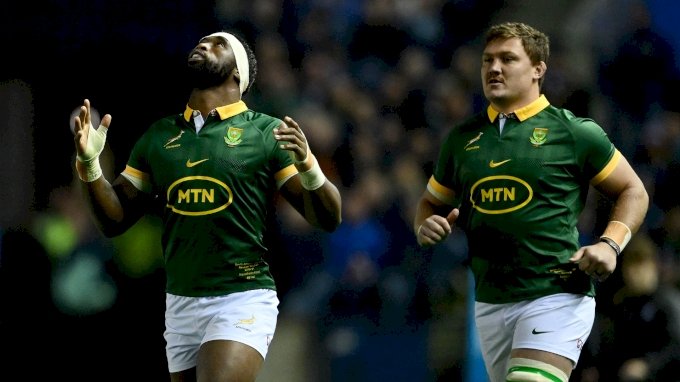
The Nelson Mandela Bay Stadium erupted on Saturday, June 20, 2026, as the Springboks launched their 14-match campaign with an emphatic 80-31 demolition of the Barbarians in Gqeberha. Twelve tries, a hat-trick for Edwill van der Merwe, and debuts for Riley Norton and JJ Kotze told the story of an afternoon that had everything — power, flair, defensive lapses, and moments of pure rugby magic.
The Gqeberha Atmosphere and SA Rugby Culture
The Nelson Mandela Bay Stadium pulsed with green and gold energy as thousands of Springbok supporters filled the stands, their voices rising in unison during the national anthem. Flags waved from every corner while the familiar beat of drums echoed across the Eastern Cape venue, creating an atmosphere that felt both electric and deeply rooted in South African rugby tradition. Families arrived early, braai smoke drifting from the parking areas, turning the match into a true community celebration that blended sport with the warmth of local hospitality.
Gqeberha has long been a rugby heartland, producing powerful forwards and skilful backs who have worn the green and gold with pride. The Eastern Cape’s passionate crowds have always demanded high standards, and this fixture against the Barbarians gave local fans a chance to witness the national team up close. The diversity in the stands reflected the rainbow nation ideal, with supporters from every background united behind the Springboks, showing how rugby continues to bridge communities across the province.
Transformation remains central to the story of South African rugby, and seeing young players from varied backgrounds take the field in Gqeberha carried special meaning. The Eastern Cape has historically been a cradle for talent development, and this match highlighted how the sport continues to evolve while honouring its past. For many supporters, the day represented more than a scoreline; it was a reaffirmation of rugby’s place in the national fabric, where every try scored felt like a shared victory for the entire country.

Edwill van der Merwe's Hat-Trick Masterclass
Edwill van der Merwe delivered a clinical finishing display that earned him the Man of the Match award and left the crowd in awe. His first try came from a sharp inside ball that exploited a narrow defensive gap, showcasing the pace that has become his trademark since his move from the Lions. The second was a classic wing’s finish, collecting a perfectly timed pass on the touchline and accelerating away from cover defence to dot down in the corner.
The hat-trick was completed late in the second half when van der Merwe read a cross-field kick, gathered cleanly, and stepped inside two defenders before grounding the ball under the posts. Each score highlighted his improved decision-making under pressure and his ability to finish from difficult positions. His journey from domestic rugby with the Lions to Springbok stardom has been marked by consistent performances and a quiet determination that has won over coaches and fans alike.
Van der Merwe’s form carries significant weight for the season ahead. With the Rugby Championship looming, his ability to stretch defences and convert opportunities will be vital. The hat-trick against the Barbarians served as a statement that he is ready to shoulder greater responsibility in the backline, bringing both speed and composure that South African rugby has come to expect from its star wings.
Rassie's Selection Gambles and New Talent
Rassie Erasmus rolled the dice with Quan Horn at fly-half, a selection that surprised many but allowed the Springboks to test fresh combinations early in the campaign. The move paid dividends as Horn directed play with maturity, linking the forwards and backs effectively. Riley Norton marked his debut with a powerful try that underlined his carrying threat, while JJ Kotze crossed shortly after entering from the bench, showing composure beyond his years.
Zachary Porthen’s try after the final hooter capped a dominant display and gave the scoreboard a fittingly emphatic look. Paul de Villiers and Vusi Moyo also received unofficial debuts, adding depth to the forward pack and backline respectively. These selections reveal Erasmus’s long-term squad-building approach, prioritising players who can adapt quickly and contribute across multiple positions.
By blooding new talent against the Barbarians, Erasmus is preparing the group for the rigours of a 14-match season. The strategy balances experience with youth, ensuring that the Springboks maintain their world number one status while developing the next generation. Each debutant left the field with valuable minutes that will shape their confidence heading into tougher fixtures later in the year.
Tactical Breakdown: First-Half Concerns to Second-Half Dominance
At half-time the score stood at 40-26, a reminder that the Barbarians had remained competitive through structured attack and opportunistic defence. The Springboks dominated the set-piece, particularly at scrum time, where they earned several penalties that relieved pressure and created attacking platforms. Cheslin Kolbe contributed 18 points from the tee, keeping the scoreboard ticking while the forwards laid the platform for the second-half surge.
After the break the Springboks exploded into life, using width and quick ball to stretch the Barbarians across the field. Pieter-Steph du Toit was immense at the breakdown, winning turnovers that sparked counter-attacks, while Jasper Wiese carried with typical physicality. Jesse Kriel and Andre Esterhuizen added midfield solidity, punching holes in the defensive line and providing clean ball for the backs.
Defensive lapses in the first half, particularly around the edges, will require attention before the Rugby Championship. However, the second-half response showed the squad’s ability to adjust and impose their game plan. The 40-point margin ultimately reflected superior fitness and tactical clarity, setting a positive tone for the demanding schedule ahead.
Barbarians Show Improvement but Concept Questioned
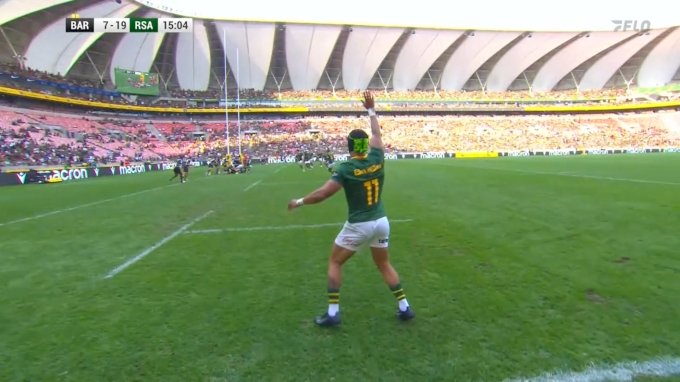
Scott Robertson’s Barbarians side scored five tries through Vakatawa, Molina, Kellaway (twice) and Perenara, a marked improvement on last year’s 54-7 defeat. Their willingness to play with width and offload kept the Springboks honest for long periods and provided valuable game time for players returning from injury or seeking international exposure.
Yet questions persist about the Barbarians’ relevance in the modern professional calendar. While the fixture offers an entertaining spectacle, some argue it lacks the intensity of official Test matches. For South Africa, however, the game served as an important early-season hit-out, allowing coaches to assess combinations and conditioning without the full weight of Championship pressure.
The value lies in preparation rather than prestige. The Springboks gained match fitness, identified areas for improvement, and gave fringe players the chance to stake claims. In a season that stretches across multiple competitions, such fixtures remain useful tools for building squad depth and cohesion before the real battles begin.
SA Rugby Pathways: SA 'A', Tshituka Brothers, Transformation
While the Springboks dominated in Gqeberha, the SA ‘A’ side faced Zimbabwe on the same weekend, underlining the depth of the national pathway system. Emmanuel Tshituka continues to chase his Springbok dream alongside his brother Vincent, both products of strong domestic structures that reward hard work and consistency.
Player development from club rugby through provincial teams to the national setup remains a cornerstone of South African rugby. The Tshituka brothers’ story reflects the opportunities available for those who progress through the ranks, supported by coaching and conditioning programmes designed to bridge the gap to international level.
Transformation and grassroots development continue to receive focus from SARU, with initiatives aimed at increasing participation in previously disadvantaged communities. The broader picture shows a rugby ecosystem working to balance excellence at the top with inclusive growth at the base. Success at Springbok level inspires the next generation, while domestic competitions provide the platform for talent to emerge and eventually wear the green and gold.
The 14-Match Season Ahead
The Springboks now turn their attention to the Rugby Championship and the World Rugby Nations Championship, both critical in defending their world number one ranking. The 80-31 victory provides confidence, yet the coaching staff know that far sterner tests await against southern hemisphere rivals and beyond.
Key areas for improvement include tightening first-half defence and maintaining set-piece accuracy under fatigue. Squad rotation will be essential across 14 matches to manage player welfare while keeping standards high. Erasmus must balance the need for continuity with opportunities for emerging talent, a challenge that defines modern international rugby.
This result signals that the Springboks are ready to compete at the highest level in 2026. With van der Merwe in form and new faces contributing, the campaign has begun on a high note. The journey ahead will test character and depth, but the foundations laid in Gqeberha suggest South Africa remains a formidable force on the global stage.
Tags: Springboks, Barbarians, Edwill van der Merwe, Rassie Erasmus, Gqeberha, South African rugby, Rugby Championship
By Dante Williams, Staff Writer
This article was produced with AI-assisted research and editorial support. Reporting is based on sources cited in the article.
What's Your Reaction?
 Like
0
Like
0
 Dislike
0
Dislike
0
 Love
0
Love
0
 Funny
0
Funny
0
 Wow
0
Wow
0
 Sad
0
Sad
0
 Angry
0
Angry
0

West Africa/Sahel Correspondent at Global1.News. Dakar-based journalist covering politics, security, climate, and development across Francophone and Anglophone West Africa. Tells the stories of a region undergoing profound transformation.









Comments (0)