
Senate Gridlock Risks Leaving Filipinos Without Key Laws, Lacson Warns
Senate Gridlock Risks Leaving Filipinos Without Key Laws, Lacson Warns Arrest Triggers Senate Showdown The non-appearance of the Senate majority bloc in the plenary session on June 1 followed the arrest of Sen. Jinggoy Estrada and quickly turned into a test of institutional boundaries. Sen. Panfilo Lacson stepped forward with a clear message that maneuvers threatening to paraly
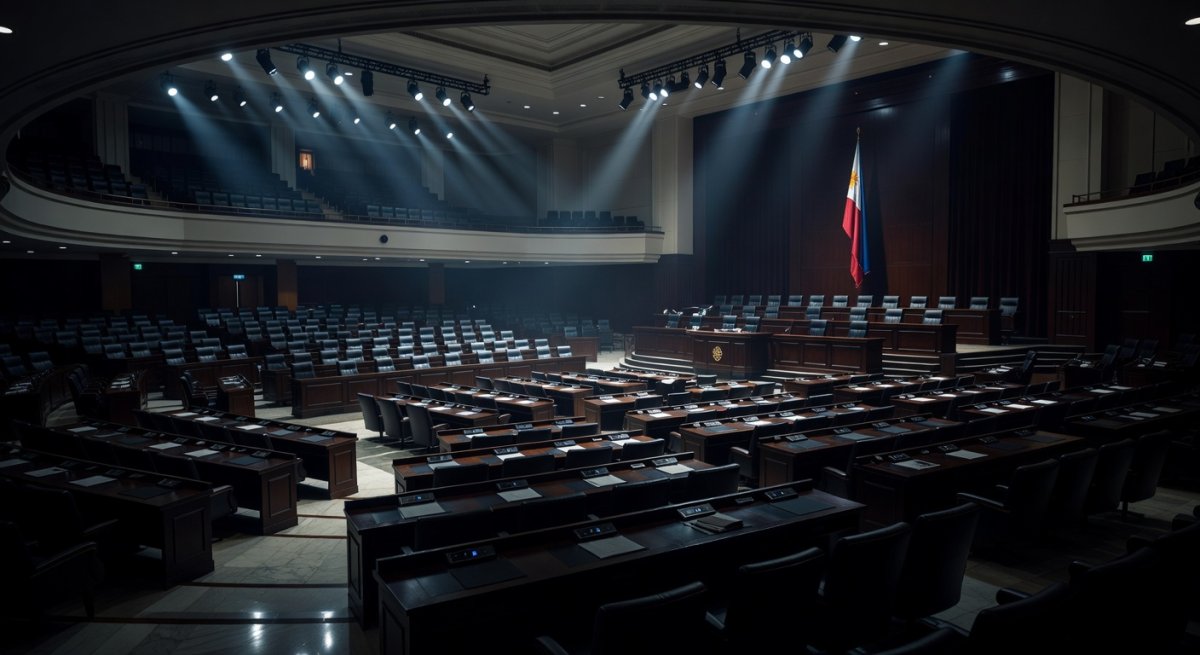
Arrest Triggers Senate Showdown
The non-appearance of the Senate majority bloc in the plenary session on June 1 followed the arrest of Sen. Jinggoy Estrada and quickly turned into a test of institutional boundaries. Sen. Panfilo Lacson stepped forward with a clear message that maneuvers threatening to paralyze the legislative process cannot be justified by appeals to Senate independence.
Lacson stressed that protecting the chamber's integrity must never serve as a reason to sidestep legal obligations. His remarks came at a moment when political tensions inside the Senate were already high, leaving ordinary citizens to wonder how soon pending measures would move forward.
Lacson Rejects Dereliction as a Solution
"Standing up for the Senate's independence does not place SP Alan Peter Cayetano and any senator above the law," Lacson said. He added that such actions have nothing to do with adherence to the rule of law and warned that skipping duties would only deepen the existing partisan divide.
Lacson described any deliberate absence as an attempt to hold legislation hostage rather than a legitimate form of protest. He urged fellow senators to return to the floor and address disagreements through debate instead of silence, noting that the work of Congress affects daily life across the country.
The senator's position reflects a long-standing view that institutional defense should strengthen, not stall, the lawmaking process that millions of Filipinos rely on for services and protections.
Cayetano Pushes for Collective Silence
Senate President Alan Peter Cayetano had earlier called on the minority bloc to join a deliberate pause, arguing that a quiet chamber would prompt the public to question why a co-equal branch of government chose inaction. "I am asking you to join one deliberate act — to let the Senate go quiet, together and by choice," he said.
Cayetano framed the choice as one belonging to each senator, stating that how they respond would be measured against their duty to the institution and the people watching. The proposal aimed to highlight perceived threats to Senate autonomy amid the current political climate.
Supporters of the approach saw it as a symbolic stand, yet critics inside the chamber quickly pointed out that such a step could delay bills already under review by various committees.
Minority Insists on Continuing the Work
The Senate minority responded by emphasizing the need to focus on pending legislation rather than allowing the chamber to stand still. They noted that privilege speeches and position defenses belong on the floor, not in the form of collective absence.
By keeping sessions active, the minority argued, senators could still raise concerns while ensuring that measures affecting health, infrastructure, and local governance continue to advance. This stance aligns with the expectation that Congress remains functional even during periods of internal disagreement.
Local government units and communities waiting for funding allocations or policy updates stand to feel the effects if sessions remain disrupted for extended periods.
Ordinary Filipinos Bear the Cost
When Senate sessions stall, bills on public health programs, disaster preparedness, and economic support often sit idle. Families in provinces and cities across the archipelago depend on these measures for access to services coordinated through the Department of Health and other agencies.
Partisan gridlock that stops legislative movement can slow down responses to pressing needs, from community infrastructure projects to assistance programs run by local government units. Lacson's warning highlights how such pauses ultimately reach households far from Manila.
Filipinos have grown accustomed to seeing Congress act as a steady engine of policy, and repeated interruptions risk eroding trust in the institution's ability to deliver results.
Balancing Independence With Accountability
The current exchange between Lacson and Cayetano illustrates the tension between asserting Senate autonomy and maintaining the rule of law that governs all branches. Both sides claim to act in defense of the institution, yet their methods differ sharply on whether silence or continued sessions best serve that goal.
Philippine political history shows that when lawmakers prioritize process over paralysis, important measures have moved despite heated debates. Lacson’s call to avoid holding legislation hostage echoes this tradition of keeping the chamber operational.
As senators weigh their next steps, the public continues to watch how the balance between institutional pride and daily governance will shape outcomes for communities nationwide.
By Bella Reyes, Staff WriterThis article was produced with AI-assisted research and editorial support. Reporting is based on sources cited in the article.
What's Your Reaction?
 Like
0
Like
0
 Dislike
0
Dislike
0
 Love
0
Love
0
 Funny
0
Funny
0
 Wow
0
Wow
0
 Sad
0
Sad
0
 Angry
0
Angry
0

Africa Correspondent at Global1.News. Based in Lagos, covering politics, business, technology, and culture across the continent. Focused on telling African stories beyond the headlines — the innovation, entrepreneurs, and communities shaping the region's future.














Comments (0)