
Grammy-winning director explores his Nigerian grandfather role in the Biafran war
A Grammy-Winning Director Turns to Family Roots Meji Alabi has directed music videos for artists like Beyoncé, Burna Boy, Davido and Stormzy. Yet his latest work takes him into a deeply personal chapter of Nigerian history through the documentary Surviving Biafra: Voices from the Nigerian Civil War produced by BBC Africa Eye. The project features previously unseen frontline foo
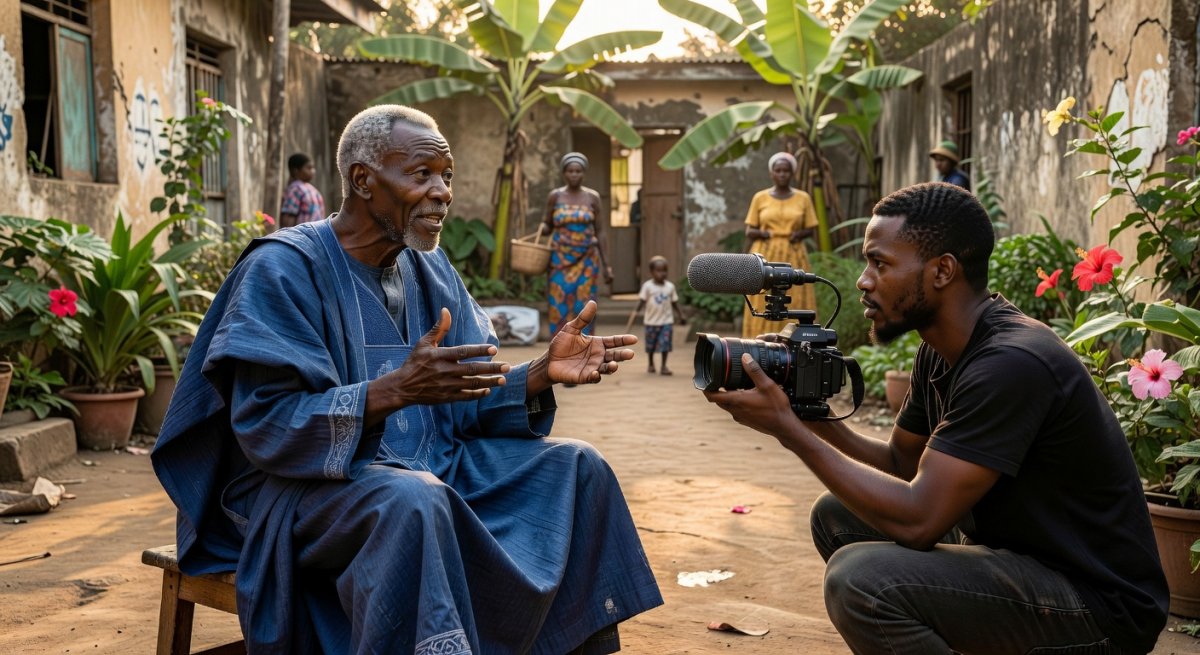
A Grammy-Winning Director Turns to Family Roots
Meji Alabi has directed music videos for artists like Beyoncé, Burna Boy, Davido and Stormzy. Yet his latest work takes him into a deeply personal chapter of Nigerian history through the documentary Surviving Biafra: Voices from the Nigerian Civil War produced by BBC Africa Eye.
The project features previously unseen frontline footage from the 1967 to 1970 conflict. Meji was born in London to Nigerian parents and later moved to Texas for school. Five years ago he earned a Grammy for co-directing Beyoncé's Brown Skin Girl video.
Teaming Up with Kin to Tell the Story
Meji joined forces with his uncle Leke Alabi-Isama, a filmmaker and co-founder of PriorGold Pictures based in Lagos. Together they explore the experiences of their grandfather Godwin Alabi-Isama who served as a federal army commando during the war.
Godwin fought against Igbo separatists seeking an independent Biafra in the southeast. Leke grew up in Abeokuta in Ogun state hearing stories from his father who acted as chief of staff to Brigadier Benjamin Adekunle in the 3 Marine Commando division.
The War That Shaped a Generation
After the January 1966 coup led by an Igbo general and subsequent reprisal violence many Igbos returned to the southeast. Three states then broke away to form the Republic of Biafra prompting the Nigerian government to declare war.
The conflict lasted thirty months and claimed between 500000 and three million lives many of them children. Biafra surrendered in 1970 leaving deep scars across the young West African nation.
Survivors Recounting Their Experiences
Throughout the documentary survivors now in their seventies and eighties share firsthand accounts. These voices bring to light the communal violence and suffering that followed the coup and the mass starvation that struck Biafra.
Leke described the shock of seeing clips of starved children as a moment when the horrors became undeniable facts. The federal forces including the 3 Marine Commando faced allegations of war crimes such as civilian executions.
Confronting History in Nigerian Schools
For more than a decade before September 2025 history was not formally part of Nigeria's national school curriculum. Leke recalled learning only a line or two about the war and noted that the full extent of suffering remains insufficiently covered.
He observed that Nigeria appears hesitant to face its own truth. Meji added that the topic is often whispered rather than addressed directly by younger generations of Nigerian filmmakers.
Preserving African Stories for Healing
In the spirit of West African traditions where elders pass down family tales this documentary opens space for honest reflection. It connects to the shared need across African societies to remember past struggles so communities can move forward together.
By presenting these accounts from an inquisitive younger perspective the film honors the resilience found in Nigerian families and echoes the importance of storytelling in places like Senegal where history shapes daily life and cultural identity.
By Amara Diop, Staff WriterThis article was produced with AI-assisted research and editorial support. Reporting is based on sources cited in the article.
What's Your Reaction?
 Like
0
Like
0
 Dislike
0
Dislike
0
 Love
0
Love
0
 Funny
0
Funny
0
 Wow
0
Wow
0
 Sad
0
Sad
0
 Angry
0
Angry
0

West Africa/Sahel Correspondent at Global1.News. Dakar-based journalist covering politics, security, climate, and development across Francophone and Anglophone West Africa. Tells the stories of a region undergoing profound transformation.













Comments (0)