
Second Madlanga commission report submitted: Here’s what to expect in the coming weeks
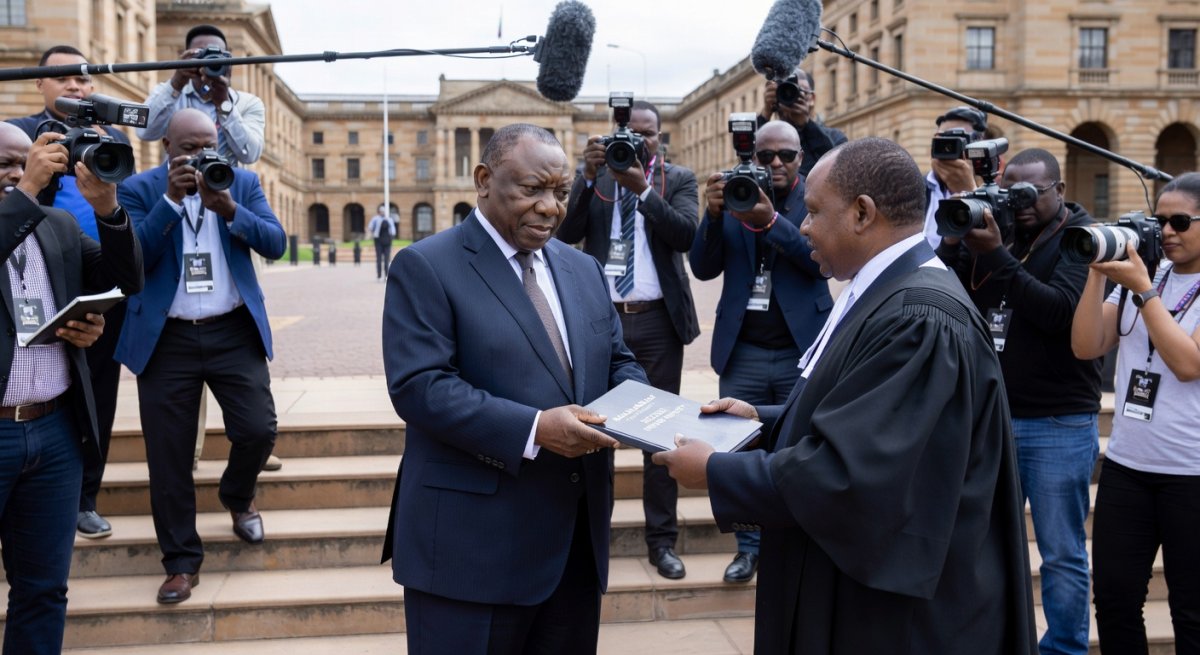
The submission of the second interim report by the Madlanga commission to President Cyril Ramaphosa arrives at a pivotal moment for South Africa’s governance and public accountability. With the Presidency confirming that Ramaphosa will now review the findings while the commission presses ahead with its work, the development underscores ongoing efforts to address systemic issues through structured judicial processes. This step matters because it keeps institutional scrutiny alive amid broader questions about state institutions and decision-making.
Justice Mbuyiseli Madlanga, leading the commission with assistance from Advocate Se, has delivered the latest document after continued hearings and evidence gathering. The move signals that the inquiry remains active rather than paused, even as its chair hands over key observations for presidential consideration.
Understanding the Commission’s Mandate and Progress
Commissions of inquiry in South Africa serve as formal mechanisms to examine complex allegations and recommend reforms. The Madlanga commission follows this established pattern, focusing on matters referred to it by the executive. Its second interim report represents an update on findings reached so far, distinct from any final conclusions that may come later. The Presidency’s statement makes clear that Ramaphosa’s review will occur alongside the commission’s continued operations. This parallel track allows the inquiry to maintain momentum on outstanding evidence while the head of state absorbs the latest material. Such sequencing reflects standard procedure designed to balance thorough investigation with timely executive awareness.Why the Timing Resonates in Current National Discourse
South Africa has relied on commissions to surface evidence and propose corrective steps in areas ranging from procurement practices to institutional integrity. The latest submission occurs against a backdrop of sustained public interest in how these bodies operate and what outcomes they produce. Citizens and stakeholders watch for indications that recommendations will translate into concrete actions rather than remaining on paper. The fact that proceedings continue after the report’s handover suggests the commission views its work as incomplete. This ongoing phase may involve further witness testimony, document analysis, or clarification of earlier points. It also gives the Presidency space to consider immediate steps without halting the broader inquiry.Broader Context of Judicial Inquiries in Post-Apartheid Governance
Since 1994, successive administrations have appointed commissions to tackle allegations of misconduct or systemic failure. These bodies typically operate with subpoena powers and public hearings, aiming to restore confidence through transparent examination. The Madlanga commission fits within this lineage, drawing on legal expertise to navigate sensitive terrain. Justice Madlanga’s leadership brings judicial experience to the process, supported by legal practitioners such as Advocate Se. Their combined roles help ensure procedural fairness while the commission collects and weighs information. Interim reports serve as checkpoints, allowing adjustments in focus or emphasis before any final document is prepared. Analysis of past commissions shows mixed results: some have led to legislative changes or personnel shifts, while others have prompted debate over implementation speed. The current report’s reception will likely be measured against these precedents, with attention on whether its insights prompt visible follow-through.Implications for Institutional Accountability
The handover reinforces the principle that no institution operates beyond examination. By submitting findings directly to the President, the commission fulfills part of its terms while preserving independence for remaining work. This structure encourages accountability without preempting final outcomes. Ramaphosa’s decision to study the report while the commission continues underscores a commitment to informed oversight. It also highlights the practical challenges of balancing multiple streams of information during active inquiries. Observers note that such reports often contain both factual summaries and forward-looking suggestions, giving the executive material to weigh against existing policy priorities.What Happens Next and Potential Pathways Forward
With the second interim report now under review, attention turns to how the Presidency will respond and what further milestones the commission may reach. The continuation of proceedings indicates additional evidence sessions or deliberations remain on the schedule. Any subsequent reports could build on the current submission, potentially refining earlier observations. Stakeholders across government, civil society, and the public will monitor announcements for signs of engagement with the findings. The process ultimately feeds into wider conversations about strengthening state institutions and addressing root causes of concern. As the commission advances, its work contributes to an evolving record that future decision-makers may reference. The coming weeks will likely reveal more about the report’s specific contours once the Presidency completes its initial assessment. In the meantime, the dual track of review and continued inquiry keeps the focus on methodical progress rather than abrupt conclusions.By Dante Williams, Staff Writer
This article was produced with AI-assisted research and editorial support. Reporting is based on sources cited in the article.
What's Your Reaction?
 Like
0
Like
0
 Dislike
0
Dislike
0
 Love
0
Love
0
 Funny
0
Funny
0
 Wow
0
Wow
0
 Sad
0
Sad
0
 Angry
0
Angry
0

Dante Williams
Breaking News and Investigations Correspondent at Global1.News. Based in London, covering global breaking news, security, and investigative stories. Known for digging deeper and connecting the dots across continents.















Comments (0)