
Russia Considers Full Diesel Export Ban as Drone Strikes Cripple Domestic Refineries
Russia Considers Full Diesel Export Ban as Drone Strikes Cripple Domestic Refineries Russia’s government is weighing a complete prohibition on diesel exports in an effort to shore up domestic supplies that have come under increasing strain from Ukrainian drone attacks on refineries and fuel distribution networks. The proposal surfaced during high-level discussions this week and
Russia Considers Full Diesel Export Ban as Drone Strikes Cripple Domestic Refineries
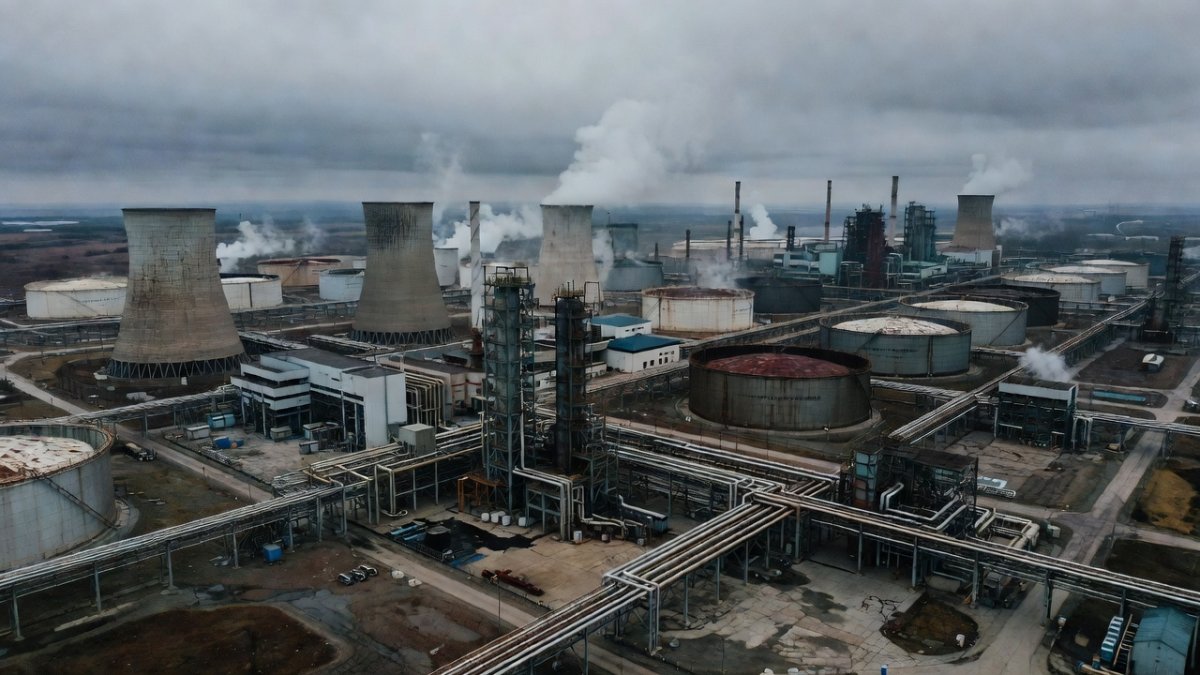
Russia’s government is weighing a complete prohibition on diesel exports in an effort to shore up domestic supplies that have come under increasing strain from Ukrainian drone attacks on refineries and fuel distribution networks. The proposal surfaced during high-level discussions this week and marks a notable escalation from earlier statements by senior officials who had previously ruled out such a step. With summer travel and agricultural demand peaking, the move is being considered alongside existing curbs on gasoline and jet fuel shipments abroad.
Novak’s Tuesday Remarks Signal Policy Shift
Deputy Prime Minister Alexander Novak addressed the situation during a meeting with President Vladimir Putin and other senior officials on Tuesday, June 23, 2026. He described domestic fuel conditions as “challenging but under control” while confirming that a total ban on diesel exports is now under active consideration. Novak’s comments represent a clear departure from his position earlier this month, when he stated there was no immediate need for a blanket diesel prohibition. The change in tone reflects mounting pressure on the market following repeated strikes on refining capacity.
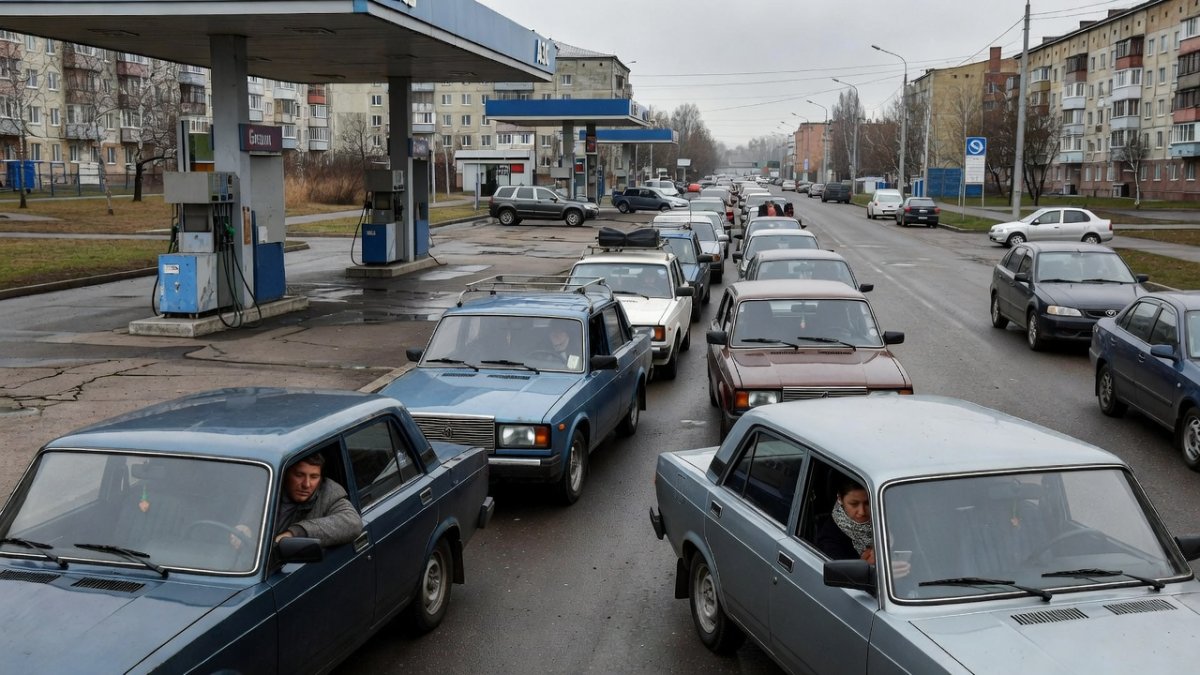
Novak also sought to minimize the visible effects of shortages, characterizing recent limits on fuel purchases as “occasional delivery hiccups in certain regions and at specific gas stations.” His remarks came as nearly two dozen regions have already introduced restrictions on gasoline and diesel sales in recent weeks, according to reports from independent media outlets including Kommersant, RBC, and Mediazona. These localized measures have appeared at a particularly sensitive moment, coinciding with both the peak summer vacation travel period and the height of the agricultural season.
Sechin’s May Letter to Putin Detailed in Wednesday Reports
On Wednesday, June 24, 2026, the newspaper Kommersant reported that Rosneft Chief Executive Igor Sechin sent a letter to President Putin in May outlining urgent recommendations for restructuring fuel distribution. In the letter, Sechin proposed that the government require all oil companies to direct at least 30 percent of their crude oil straight to domestic refineries rather than exporting it. He argued that current exchange rules allow middlemen to hoard premium fuel grades, inflating prices and reducing availability for end users.
Sechin recommended suspending the requirement that top-tier fuel be sold exclusively on public exchanges. Instead, he suggested allowing companies to count direct deliveries to their own retail networks and to government contracts toward their national supply obligations. He further proposed that refineries producing emergency lower-grade fuel be required to sell 100 percent of that output publicly, with priority access given to ordinary consumers. The Kommersant report indicates these proposals were submitted well before the most recent wave of price spikes and regional rationing measures.
Price Data and Market Conditions as of Mid-June 2026
Official price statistics show the average cost of gasoline in Russia has risen 6.6 percent since the beginning of 2026. A single-week increase pushed the national average to 69.11 rubles per liter, equivalent to approximately $3.56 per gallon, according to data recorded as of June 15, 2026. These figures predate the most recent announcements regarding potential export restrictions and reflect conditions before the full impact of additional refinery outages became visible in retail markets.
The Energy Ministry responded to the tightening supply picture earlier this month by establishing an industry-wide task force that includes Russia’s largest energy corporations. The ministry’s creation of the group marked the first official acknowledgment that Ukrainian drone strikes were directly responsible for the “difficulties” facing the domestic fuel sector. The task force was tasked with ensuring the “stable and efficient operation of the entire energy sector” through coordinated production and distribution measures.
Ukraine’s Spring 2026 Campaign Against Refining Infrastructure
Ukraine intensified its long-range drone operations against Russian oil refineries and supply infrastructure beginning in spring 2026. The strikes have reduced or halted production at facilities responsible for a substantial share of the country’s gasoline output. Industry sources cited by Reuters last week stated that Russia’s gasoline production is currently running 25 percent below the average level recorded for June 2025. The same sources indicated that Russia will begin importing fuel from Asia by sea during June 2026 to offset the shortfall.
The timing of these attacks coincides with peak seasonal demand, amplifying the effect on both retail availability and wholesale pricing. Agricultural operations and long-distance trucking have been particularly exposed to the resulting constraints, prompting regional authorities to impose purchase limits in multiple federal subjects. The cumulative impact has forced federal agencies to accelerate contingency planning that was not publicly discussed as recently as early June.
State Duma Fast-Tracks Subsidies for Imports from India
Alongside the consideration of export restrictions, Russian lawmakers are advancing tax legislation that would establish government subsidies specifically for gasoline imports from India. The RBC news outlet reported that the State Duma could vote on the measures as soon as Wednesday, June 24, 2026. The proposed subsidies are designed to offset the higher costs of seaborne deliveries from Indian refineries compared with domestic production.
Industry sources told Reuters that the imports will arrive by sea rather than through existing pipeline networks, reflecting the geographic origin of the supply. The legislation under discussion would create a dedicated funding mechanism to support these purchases, marking a departure from previous policy that relied primarily on domestic output and limited exports to neighboring countries. The speed with which the Duma is moving the bill underscores the urgency felt within both the Energy Ministry and major oil companies.
Existing Export Rules and the Scope of Proposed Changes
Under current regulations, only Russian companies that themselves produce diesel are permitted to sell the fuel overseas. This restriction was introduced earlier in the year as part of efforts to protect domestic supply. The proposed full ban would extend the prohibition to all diesel exports, regardless of producer status, effectively closing the remaining legal channel for foreign sales. Novak’s Tuesday statement indicated that this option is being evaluated together with the continuation of existing limits on gasoline and jet fuel exports.
The Energy Ministry’s task force has been instructed to monitor daily production figures and regional stock levels, with authority to recommend further adjustments to export policy. Officials have emphasized that any ban would be temporary and subject to periodic review based on refinery throughput and inventory data. The ministry has not yet published a timetable for a final decision, but the rapid sequence of statements from Novak and the Kommersant report on Sechin’s letter suggest that policy changes could be announced within days rather than weeks.
Regional Rationing Measures and Their Geographic Spread
Independent media reports compiled by Kommersant, RBC, and Mediazona indicate that at least 20 regions have implemented some form of fuel purchase restriction since late May 2026. Measures range from daily volume caps at individual filling stations to outright limits on sales to private vehicles. Agricultural enterprises have in some cases been granted priority access, while ordinary motorists have faced longer queues and occasional station closures.
Novak’s characterization of these developments as localized delivery issues contrasts with the breadth of the restrictions reported across multiple federal districts. The discrepancy highlights the gap between official messaging and on-the-ground conditions documented by regional correspondents. The summer holiday period, which typically sees increased long-distance travel, has amplified public awareness of the shortages and placed additional pressure on regional administrations to maintain visible order at fuel outlets.
Implications for Agricultural and Transport Sectors
The agricultural sector faces particular exposure because diesel is the primary fuel for harvesting and transportation equipment during the peak summer months. Regional governments in grain-producing areas have already coordinated with fuel distributors to allocate supplies for combine harvesters and grain trucks ahead of the main harvest window. Any extension of the current restrictions or introduction of a nationwide diesel export ban would directly affect the cost and availability of fuel for these operations.
Long-haul trucking companies have similarly reported difficulties securing consistent diesel volumes at acceptable prices. Several major logistics firms have begun adjusting routes to pass through regions with fewer purchase limits, increasing overall transit times and operating costs. These adjustments are occurring against the backdrop of already elevated fuel prices recorded as of June 15, 2026, and could compound inflationary pressures in food and consumer goods distribution.
Comparison with Earlier 2026 Policy Positions
Novak’s Tuesday statement stands in contrast to his public position at the beginning of June 2026, when he indicated that existing export limits on gasoline and jet fuel were sufficient to manage domestic supply. The shift appears to have been driven by updated production data showing deeper and more prolonged outages at key refineries than previously estimated. The Energy Ministry’s decision to form the industry task force and its explicit attribution of difficulties to Ukrainian strikes further signal that earlier assumptions about rapid recovery have been revised.
Sechin’s May letter, as reported by Kommersant on June 24, 2026, demonstrates that at least one major producer anticipated structural problems well before the most recent price surge. The recommendations contained in that letter—mandatory crude routing to domestic refineries, changes to exchange sales rules, and priority allocation for emergency-grade fuel—remain under discussion within government circles. Their adoption would represent a significant departure from the market-oriented distribution mechanisms that have governed Russian fuel sales in recent years.
Outlook for Policy Decisions in Late June 2026
As of Wednesday, June 24, 2026, no final decision on a full diesel export ban has been announced. The State Duma’s expected vote on import subsidy legislation could provide an early indication of the government’s preferred mix of measures. Should the subsidy bill pass quickly, it would signal that authorities intend to combine restricted exports with increased foreign purchases rather than relying solely on domestic production adjustments.
Market participants are watching daily statements from the Energy Ministry and major producers for signs of additional refinery maintenance deferrals or new allocation rules. The task force established earlier this month continues to compile real-time data on throughput and regional inventories, information that will likely determine whether the proposed ban is implemented and for how long. Until those figures are made public, the precise scope and duration of any export prohibition remain subject to internal deliberations that began intensifying after Novak’s Tuesday meeting with Putin.
The sequence of events—from Sechin’s May letter through the June 15 price data, the formation of the task force, Novak’s June 23 remarks, and the June 24 Kommersant and RBC reports—illustrates how rapidly the policy environment has evolved in response to sustained pressure on refining capacity. Further announcements are expected in the coming days as the government weighs the balance between protecting domestic consumers and maintaining Russia’s position in international fuel markets.
By Irina Volkov, Staff WriterThis article was produced with AI-assisted research and editorial support. Reporting is based on sources cited in the article.
What's Your Reaction?
 Like
0
Like
0
 Dislike
0
Dislike
0
 Love
0
Love
0
 Funny
0
Funny
0
 Wow
0
Wow
0
 Sad
0
Sad
0
 Angry
0
Angry
0

Russia/Eastern Europe Correspondent at Global1.News. Covering Russian politics, energy, security, and the shifting dynamics of the post-Soviet space. Provides clear-eyed analysis on one of the world's most opaque regions.











Comments (0)