
OPEC+ Decision Signals Gradual Recovery in Global Oil Supply
OPEC+ Decision Signals Gradual Recovery in Global Oil Supply The recent agreement among OPEC+ members to increase output marks an important step toward stabilising energy markets that faced significant strain earlier this year. With production set to rise by 188,000 barrels per day beginning next month, the move involves seven key nations and comes as global supply chains adjus
OPEC+ Decision Signals Gradual Recovery in Global Oil Supply
The recent agreement among OPEC+ members to increase output marks an important step toward stabilising energy markets that faced significant strain earlier this year. With production set to rise by 188,000 barrels per day beginning next month, the move involves seven key nations and comes as global supply chains adjust following extended disruptions. Canadian observers are watching closely because these changes directly influence gasoline costs at the pump and broader economic conditions across the country.
Tags: OPEC+, Oil Production, Canadian Gas Prices, Energy Markets, Inflation Outlook
OPEC+ Boosts Output as Global Oil Markets Rebalance
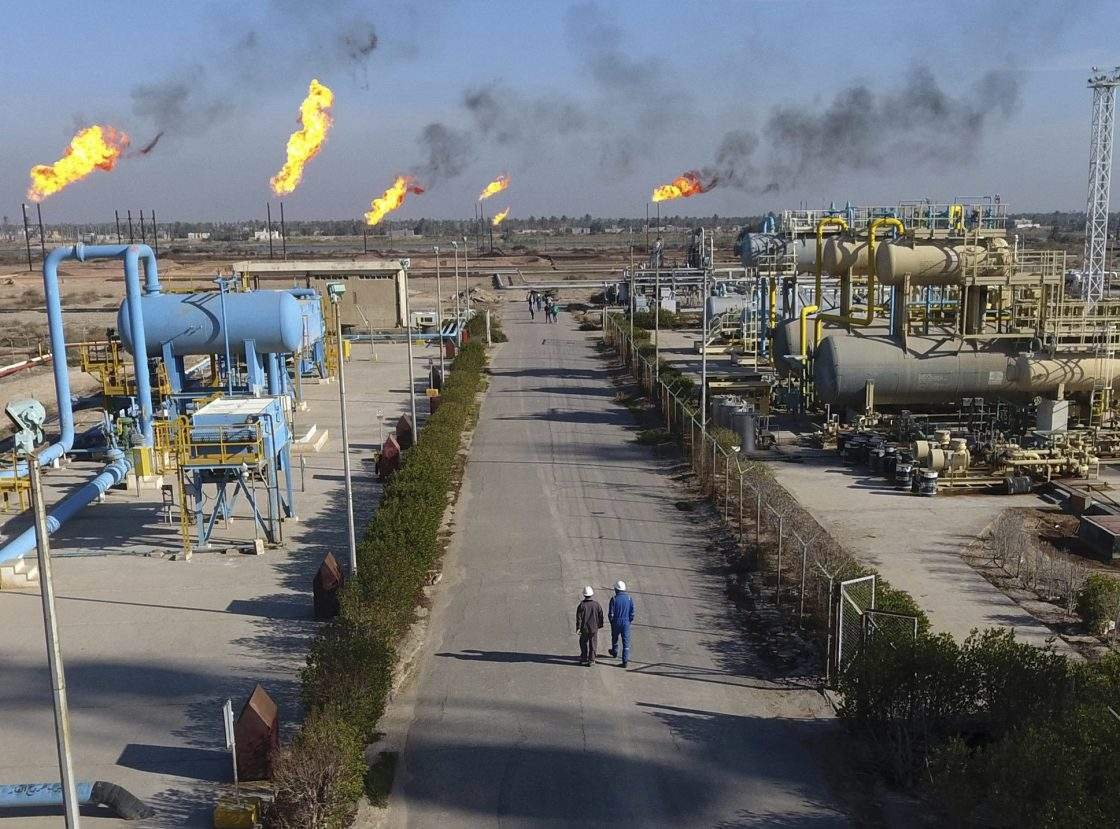
OPEC+ has agreed to raise production by 188,000 barrels per day starting next month. This measured increase involves seven nations including Saudi Arabia, Russia, Iraq, Kuwait, Kazakhstan, Algeria, and Oman. The decision reflects efforts to address imbalances that developed after supply shortfalls earlier in the year. Canadian energy analysts note that even modest adjustments from the group can influence prices worldwide, including the cost of imported crude that affects domestic refining. The gradual approach appears designed to avoid sudden swings while allowing markets time to absorb additional volumes. Over the coming weeks, observers will monitor how this extra output integrates with existing inventories and demand patterns in North America.
Market participants in Canada have already seen some price moderation, suggesting the announcement aligns with broader rebalancing trends. The seven participating countries represent a substantial portion of the cartel’s capacity, and their coordinated action could help restore confidence among importers. For Canadian refiners, any stabilisation in global benchmarks may translate into more predictable feedstock costs. This step also sets the stage for further discussions when the group reconvenes.
Supply Recovery Following Months of Disruption
Output from OPEC+ stood at 33.13 million barrels per day in May, down sharply from 42.77 million barrels per day recorded in February. The decline stemmed largely from the Iran war, which choked off roughly 20 percent of world oil supply for months. Recovery is now underway with assistance from the United States for the United Arab Emirates and other producers. The Strait of Hormuz, closed during the conflict, reopened following the US-Iran peace deal, allowing shipments to resume through this critical waterway. These developments have begun to ease the earlier tightness that pushed prices higher.
Canadian importers benefit indirectly as global availability improves. The reopening of the Strait of Hormuz has been particularly significant because it restored a major transit route for crude heading toward Asian and European markets. With supply gradually returning, inventories are expected to rebuild over the summer. This process supports the decision to add 188,000 barrels per day next month without overwhelming demand. The timeline remains cautious, with further adjustments likely dependent on how quickly consumption rebounds in major economies.
Price Relief at Canadian Pumps
West Texas Intermediate crude has fallen below US$69 per barrel, down from US$90 a month ago and the April peak of US$113. In Canada, average gasoline prices now sit at $1.61 per litre, compared with $1.90 in May and $1.35 a year earlier. This decline provides noticeable relief after the spring of 2026 brought near-record gas prices across much of the country. Lower benchmark prices have filtered through to retail levels, although regional variations persist due to taxes, refining margins, and distribution costs.
Drivers in provinces such as Ontario and Alberta have reported the most visible savings at the pump. The drop from May levels reflects both increased global supply prospects and reduced geopolitical risk premiums. While prices remain above year-ago figures, the current trajectory suggests continued moderation if OPEC+ follows through on its planned increase. Seasonal demand patterns during summer travel may limit how far prices fall, yet the overall direction points toward greater affordability for households.
Household Budgets and Cost-of-Living Pressures
Lower gasoline prices ease pressure on family budgets that faced elevated energy costs earlier in 2026. Many Canadian households allocate a meaningful share of monthly expenses to transportation fuel, particularly in suburban and rural areas where commuting distances are longer. The move from $1.90 per litre in May to the current average of $1.61 represents meaningful cumulative savings over several fill-ups. These reductions can free up funds for other necessities such as groceries and housing-related costs.

Cost-of-living concerns remain relevant because gasoline is only one component of overall inflation. Nevertheless, sustained lower prices at the pump contribute to improved sentiment among consumers. Retailers and service providers may also experience indirect benefits if households redirect savings toward discretionary spending. Policymakers will continue tracking these trends as part of broader efforts to support economic resilience across regions.
Canada's Energy Sector Implications
Canada’s oil and gas industry operates within a global pricing environment shaped by OPEC+ decisions. While domestic production focuses on oil sands and conventional resources, benchmark movements still influence investment decisions and export revenues. The planned increase of 188,000 barrels per day next month could moderate upward pressure on prices, potentially affecting margins for some Canadian producers. At the same time, improved supply stability supports steady demand for Canadian crude in export markets.
Refining operations in Eastern Canada that rely partly on imported feedstock stand to gain from lower global prices. This dynamic may help maintain competitive fuel supplies for domestic consumption. Energy companies will assess how the August 2 OPEC+ meeting shapes longer-term expectations before committing to major capital projects. Overall, the sector appears positioned to navigate the transition toward more balanced markets.
Bank of Canada and Inflation Outlook
Energy prices form an important input in the Bank of Canada’s inflation calculations. The decline in West Texas Intermediate to below US$69 per barrel, alongside lower gasoline averages of $1.61 per litre, could contribute to downward pressure on headline inflation measures. Policymakers monitor these developments closely because sustained reductions in fuel costs can influence consumer price indices over several months. The earlier spike to US$113 in April had raised concerns about imported inflation, but recent trends suggest some reversal.
Any further moderation following the OPEC+ output increase may support the central bank’s efforts to maintain price stability. Regional differences in gasoline prices across Canada mean that impacts vary by province, yet the national average provides a useful reference point. Analysts expect continued vigilance around energy volatility as geopolitical conditions evolve. The August 2 meeting will offer additional clarity on supply trajectories that could shape inflation forecasts.
Geopolitical Context: Strait of Hormuz and Energy Security
The closure of the Strait of Hormuz during the conflict highlighted vulnerabilities in global energy transit routes. Its reopening after the US-Iran peace deal has restored critical shipping lanes and reduced risk premiums embedded in oil prices. Canada, as a net energy exporter, benefits from stable international markets even though most of its production travels by pipeline rather than tanker. Nevertheless, global benchmark movements still affect domestic pricing and trade balances.
Energy security considerations extend beyond immediate price effects. Reliable supply chains support economic activity in multiple sectors, from manufacturing to agriculture. The involvement of the United States in facilitating recovery for the United Arab Emirates and others underscores the interconnected nature of these markets. Canadian officials will likely continue emphasising diversified supply options and strategic reserves as part of long-term planning.
What to Expect from the August OPEC+ Meeting
The next OPEC+ gathering scheduled for August 2 will provide an opportunity to review the impact of the 188,000 barrel-per-day increase. Participants will assess whether additional adjustments are warranted based on inventory levels, demand trends, and any lingering effects from earlier supply disruptions. Canadian market watchers anticipate that the meeting could clarify the pace of further recovery from the May low of 33.13 million barrels per day.
Outcomes from the session may influence price expectations heading into the fall. If production rises smoothly and geopolitical conditions remain stable, further moderation in benchmarks such as West Texas Intermediate could follow. Conversely, any delays or unexpected demand shifts might prompt a more cautious stance. The seven nations involved in the current increase will play a central role in shaping the discussion. Canadian households and businesses alike will monitor developments for signs of continued price relief at the pump.
By Alex Thompson, Staff Writer
This article was produced with AI-assisted research and editorial support. Reporting is based on sources cited in the article.
What's Your Reaction?
 Like
0
Like
0
 Dislike
0
Dislike
0
 Love
0
Love
0
 Funny
0
Funny
0
 Wow
0
Wow
0
 Sad
0
Sad
0
 Angry
0
Angry
0

Canada Correspondent at Global1.News. Based in Toronto, covering Canadian politics, energy, trade, and US-Canada relations. Provides the Canadian perspective on North American and global affairs.













Comments (0)