
Flu and COVID-19 vaccinations are underway. Here’s each province’s approach
Canada’s provinces and territories have begun rolling out combined influenza and COVID‑19 vaccination programmes for the 2026‑27 season, each jurisdiction tailoring eligibility and timing to local priorities.
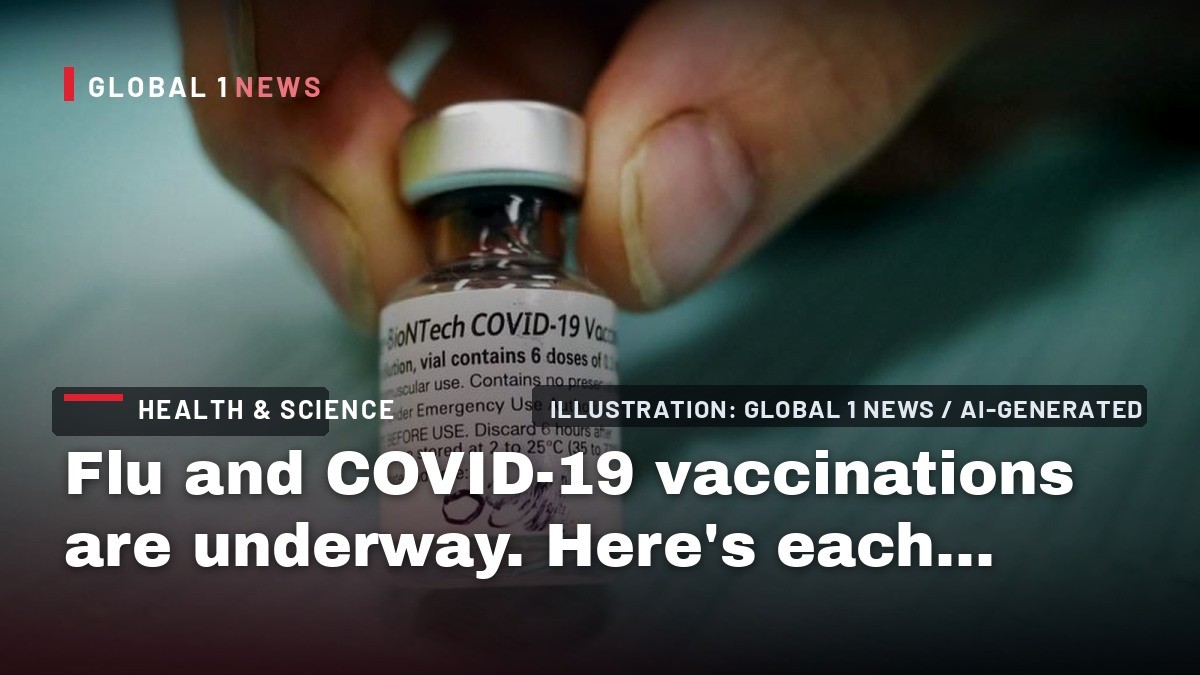
Canada’s provinces and territories have begun rolling out combined influenza and COVID‑19 vaccination programmes for the 2026‑27 season, each jurisdiction tailoring eligibility and timing to local priorities. The federal National Advisory Committee on Immunization (NACI) continues to advise that both vaccines be offered to high‑risk groups – seniors, health‑care workers, long‑term‑care residents and anyone with underlying health conditions – while also making the shots available to anyone six months of age and older who wishes to be vaccinated. As the fall progresses, Canadians will see a patchwork of rollout dates, cost structures and delivery sites that reflect the diversity of the country’s health‑care systems.
National guidance and the high‑risk focus
The NACI guidance released earlier this year underpins every provincial plan. It “strongly recommends” COVID‑19 immunisation for adults 65 and older, health‑care workers and long‑term‑care residents, and it extends the recommendation to anyone six months of age and older who wishes to be vaccinated based on personal risk assessment. NACI also advises a six‑month interval between a COVID‑19 dose and any subsequent vaccine, a point that provinces have echoed in their public messaging.
On the influenza side, NACI prioritises children six months to five years, adults 65 and older, health‑care and care providers, and household contacts of high‑risk individuals. This dual focus on seniors and frontline workers is reflected in the eligibility criteria that most provinces have published, though the exact rollout schedules vary.
Ontario: Early start for high‑risk groups
Ontario announced its combined flu and COVID‑19 rollout on 28 September, with high‑risk groups eligible to receive vaccinations immediately. Hospitalised patients, hospital staff, residents and staff of long‑term‑care and retirement homes, and adults 65 and older are first in line. The province has set a clear timeline: after the initial high‑risk phase, free shots will be available to the general public from 26 October at participating pharmacies, public health units and the offices of doctors and nurse practitioners.
This phased approach mirrors Ontario’s previous pandemic responses, aiming to protect the most vulnerable while gradually expanding access. By linking the rollout to existing health‑care delivery points, the province hopes to streamline distribution and reduce barriers for seniors and health‑care workers.
Quebec and British Columbia: Eligibility without dates
Both Quebec and British Columbia have released eligibility criteria but have not specified exact dates for vaccine availability. Quebec’s free‑vaccine list includes residents of long‑term‑care and residential care centres, seniors living in private residences, pregnant people, those in remote or isolated areas, health‑care staff, and anyone six months or older who is immunocompromised, on dialysis or living with certain chronic diseases. People aged 12 and older who do not meet these criteria will need to pay for the vaccine and are advised to contact a pharmacy or medical clinic for cost information.
British Columbia’s approach is similar in its emphasis on eligibility over timing. The province encourages residents to register with its Get Vaccinated system, which will notify individuals when a vaccine is recommended for them. Detailed information on eligibility and vaccination sites is expected later in the fall, signalling that the province is still finalising logistics for the upcoming season.
Alberta: Free COVID‑19 for specific groups, universal flu coverage
Alberta’s rollout begins on 19 October for COVID‑19 vaccines, but only for certain groups. Eligibility mirrors Ontario and Quebec for seniors and health‑care workers, and adds people experiencing homelessness and teachers covered under the Back to School Act. Children six months to 11 years who meet the criteria can receive a provincially funded COVID‑19 dose, while those who do not must pay an administrative fee of $100 per dose at Primary Care Alberta. Adults 12 and older outside the eligibility list can purchase the vaccine at participating community pharmacies.
In contrast, Alberta provides influenza vaccines free of charge to all Albertans, regardless of risk status. This universal flu coverage reflects the province’s longstanding policy of offering free flu shots to the entire population, a practice that may help reduce overall influenza burden and protect health‑care capacity during the winter months.
Manitoba: Maintaining last year’s criteria and offering a non‑mRNA option
Manitoba is keeping its eligibility criteria unchanged from the previous year for both vaccines. High‑risk groups – seniors, Indigenous peoples, individuals with underlying medical conditions, pregnant residents, essential service providers and long‑term‑care residents – are prioritised. The province also opens vaccination to all other residents six months and older, whether previously vaccinated or not, provided they do not have an increased risk of COVID‑19 infection.
Notably, Manitoba is introducing a non‑mRNA COVID‑19 vaccine for people 12 and older who are unable or unwilling to receive an mRNA product. Interested residents are directed to contact public health offices or the provincial call centre to locate a site offering the non‑mRNA dose. The rollout is slated for early to mid‑October, aligning with the province’s broader autumn vaccination timeline.
Atlantic provinces and territories: Broad eligibility, pending details
Nova Scotia, New Brunswick, Prince Edward Island, Newfoundland and Labrador, and Yukon have all indicated that anyone six months of age and older will be eligible for the combined vaccines, with a particular emphasis on encouraging higher‑risk groups to be vaccinated first. Nova Scotia plans to provide vaccines this fall but has not yet disclosed exact timing. New Brunswick expects to start in mid‑October and recommends seniors, health‑care workers and those with medical risk factors. Prince Edward Island will begin community clinics in October, with additional access through pharmacies and family physicians, and offers the vaccines free to all residents.
Yukon has already opened booking for residents at local clinics, community pharmacies and health centres, urging high‑risk recipients, health‑care workers and caregivers to be among the first to receive shots. Newfoundland and Labrador will release its rollout details next month, but its booking website confirms eligibility for anyone six months and older.
Remaining provinces and territories: Awaiting rollout information
As of 28 September, Saskatchewan, the Northwest Territories and Nunavut have not provided any specifics regarding dates, eligibility or distribution sites for the 2026‑27 flu and COVID‑19 vaccination programmes. Residents in these jurisdictions remain uncertain about when they will be able to access the vaccines, although the lack of information is likely to be addressed as the fall progresses and public health authorities finalise logistics.
The staggered nature of the rollout across Canada underscores the importance of provincial and territorial autonomy in health‑care delivery, while also highlighting the shared national goal of protecting high‑risk populations from both influenza and COVID‑19. Canadians can expect further updates from their local health ministries in the coming weeks, as each jurisdiction refines its schedule and expands access to the broader public.
This article was produced with AI-assisted research and editorial support. Reporting is based on the source material cited below. Sources: Global News Canada; globalnews.ca; Global1.News (28 September 2026).
By Alex Thompson, Staff Writer
What's Your Reaction?
 Like
0
Like
0
 Dislike
0
Dislike
0
 Love
0
Love
0
 Funny
0
Funny
0
 Wow
0
Wow
0
 Sad
0
Sad
0
 Angry
0
Angry
0
Canada Correspondent at Global1.News. Based in Toronto, covering Canadian politics, energy, trade, and US-Canada relations. Provides the Canadian perspective on North American and global affairs.













Comments (0)