
New York defies Trump admin, asks court to shut down Polymarket gambling
New York’s latest legal salvo against Polymarket marks a fresh front in the clash between state gambling regulators and the burgeoning prediction‑market industry.
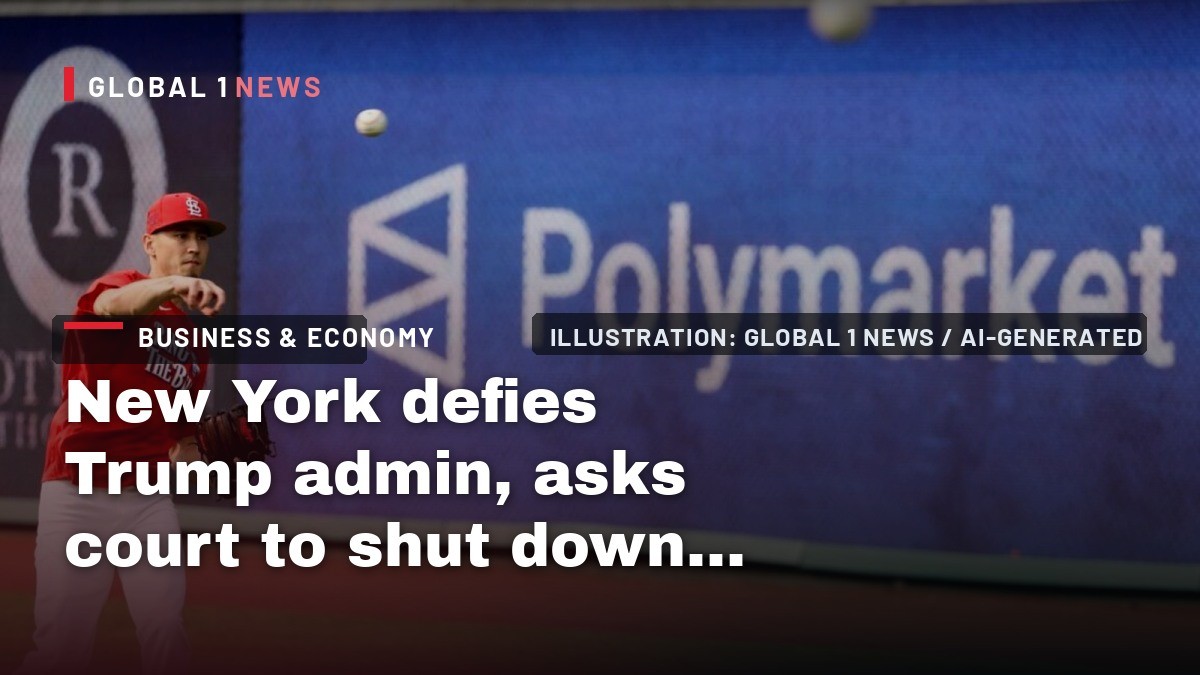
New York’s latest legal salvo against Polymarket marks a fresh front in the clash between state gambling regulators and the burgeoning prediction‑market industry. Filed on 26 September 2026 in New York County court, the suit accuses the platform of running an “illegal gambling operation” by offering event contracts that the state says are nothing more than wagers. Governor Kathy Hochul framed the move as a defense of public‑school funding and youth protection, arguing that Polymarket’s model sidesteps the tax obligations that bankroll licensed casinos and mobile‑sports betting apps. The lawsuit mirrors a July filing against Kalshi, Polymarket’s chief rival, and underscores a broader battle over who gets to police the line between financial speculation and gambling.
What New York alleges
The Attorney General’s office says Polymarket is “sidestepping its obligation to pay taxes like licensed casinos and mobile sports gambling platforms do,” depriving the state of revenue that funds public schools, underserved‑youth sports programs, and problem‑gambling treatment. The complaint also highlights that the platform is “available to users between the ages of 18–20,” despite New York law requiring participants in mobile sports betting to be at least 21. By allowing under‑21 users to place bets on outcomes ranging from NFL games to college basketball matchups, the state argues Polymarket is exposing a vulnerable demographic to the “damaging effects on their mental and financial well‑being.”
Attorney General Letitia James added that the lawsuit seeks a court order to shut down Polymarket’s unlicensed gambling business, impose fines, force forfeiture of illegal gains, and require restitution to users. The filing targets QCX LLC—also known as Polymarket US—the entity that acquired a CFTC‑licensed firm in December 2025 to launch a limited mobile app after the main platform was blocked in the U.S. in 2022.
The regulatory backdrop
The core of the dispute rests on whether prediction‑market contracts qualify as “swaps” under federal law, which would place them under the exclusive jurisdiction of the Commodity Futures Trading Commission (CFTC), or whether they are “gambling” under state statutes. The Trump administration has backed the CFTC’s stance, with the commission declaring a “market emergency” in New York in August to block the state from applying its gambling laws to Kalshi. Meanwhile, circuit courts are split: the Third Circuit upheld New Jersey’s right to regulate such bets, while the Ninth Circuit allowed Nevada to stop Kalshi from offering them.
New York’s lawsuit leans on the state definition of gambling—staking something of value on a future contingent event not under the bettor’s control, with the promise of a payoff. The complaint cites specific Polymarket bets, such as whether the Green Bay Packers would beat the New York Giants, who would win the Super Bowl in February 2026, and the March 20 2026 college basketball game between Hofstra and Alabama. By framing these as classic wagers, the state aims to bring Polymarket squarely under gambling law.
Polymarket’s response
Polymarket pushed back with a statement that the lawsuit feels like a “copy/paste” of the Kalshi case. The company highlighted its roots in a tiny New York apartment and its growth to more than 350 employees, portraying itself as a homegrown tech firm that “embodies why people and businesses come here to make it.” It pledged to “fight for our users” and offered an open door for dialogue with the Attorney General’s office, emphasizing a desire to address consumer‑protection concerns without preemptively suing the state.
The firm also noted that its main platform has been in “view‑only mode” for U.S. users since the 2022 CFTC ruling, but that users can still access it via VPNs. A June Wall Street Journal report cited a marketing push that paid social‑media users to film fake bets on copies of the Polymarket site, suggesting the company has been actively courting the U.S. market despite regulatory hurdles.
Why the battle matters to everyday New Yorkers
At stake is more than regulatory jurisdiction; it’s about how gambling revenue flows into public coffers. New York officials argue that licensed gambling fuels school budgets, youth sports, and treatment programs for problem gambling. If Polymarket’s operations remain unregulated, the state claims that those funds are lost, and that under‑21 users are left exposed to unchecked betting. For a city where gambling taxes already support a range of social services, the prospect of an untaxed, unlicensed platform siphoning potential revenue raises both fiscal and public‑health alarms.
Conversely, proponents of prediction markets argue that they offer a more transparent, data‑driven form of wagering that could attract a tech‑savvy audience while generating economic activity. Polymarket’s acquisition of QCX and its December 2025 app launch illustrate an attempt to navigate the regulatory maze and tap into a market hungry for novel betting experiences. The outcome of New York’s suit could set a precedent for how states treat these hybrid financial‑gaming platforms.
The broader legal landscape
New York’s case sits within a patchwork of state actions against prediction markets. Kentucky sued Polymarket in June, and multiple states have taken on Kalshi with cease‑and‑desist orders. The divergent rulings from the Third and Ninth Circuits highlight a lack of national consensus on whether prediction‑market contracts are swaps or bets. New Jersey recently urged the Supreme Court to resolve the split, warning that companies like Kalshi “refuse to follow the gambling laws of any state.” A Supreme Court decision could either cement federal primacy via the CFTC or empower states to enforce their gambling statutes, dramatically reshaping the industry.
In the meantime, the CFTC continues to assert exclusive jurisdiction, as seen in its August “market emergency” declaration aimed at curbing state enforcement against Kalshi. That move underscores the federal agency’s willingness to intervene when state actions threaten the market’s national framework. The tug‑of‑war between state regulators and the CFTC will likely intensify as more platforms seek to blend financial contracts with sports‑betting appeal.
What’s next for Polymarket and the industry
The immediate next step is a court hearing on New York’s request for an injunction to halt Polymarket’s operations and force restitution. If the judge grants the order, Polymarket could face fines, asset forfeiture, and a forced shutdown of its limited app. The company’s ongoing request for CFTC permission to relaunch its main exchange adds another layer of uncertainty; a favorable ruling could reopen a national market, but only if the agency deems the platform compliant with registration rules.
Regardless of the legal outcome, the case signals to the industry that state regulators are willing to pursue aggressive action against platforms that blur the line between speculation and gambling. Companies will need to weigh the cost of compliance—licensing, tax payments, age restrictions—against the revenue potential of tapping into a market that many users see as a modern twist on traditional betting. For New Yorkers, the battle will likely be felt in the form of tighter age verification, more visible enforcement actions, and perhaps a clearer public conversation about the role of prediction markets in a state‑driven gambling ecosystem.
This article was produced with AI-assisted research and editorial support. Reporting is based on the source material cited below. Sources: Ars Technica; arstechnica.com; Global1.News (26 September 2026).
By Nova Chen, Staff Writer
What's Your Reaction?
 Like
0
Like
0
 Dislike
0
Dislike
0
 Love
0
Love
0
 Funny
0
Funny
0
 Wow
0
Wow
0
 Sad
0
Sad
0
 Angry
0
Angry
0

Trend Reporter at Global1.News. Based in San Francisco, tracking the stories crossing from social platforms, forums, and community discussions into mainstream news — tech breakthroughs, cultural shifts, and world events that real people are engaging with right now.














Comments (0)