
NATO Chief Lauds Turkey's Central Role in Alliance Ahead of Ankara Summit
Mark Rutte, the NATO Secretary-General, used a news conference in the Turkish capital to underscore Ankara's importance to the alliance. He pointed to the country's armed forces, its expanding defense production base, and its position at the intersection of Europe, the Black Sea, and the Middle East. The remarks came ahead of a leaders' summit that will bring together the 32 me
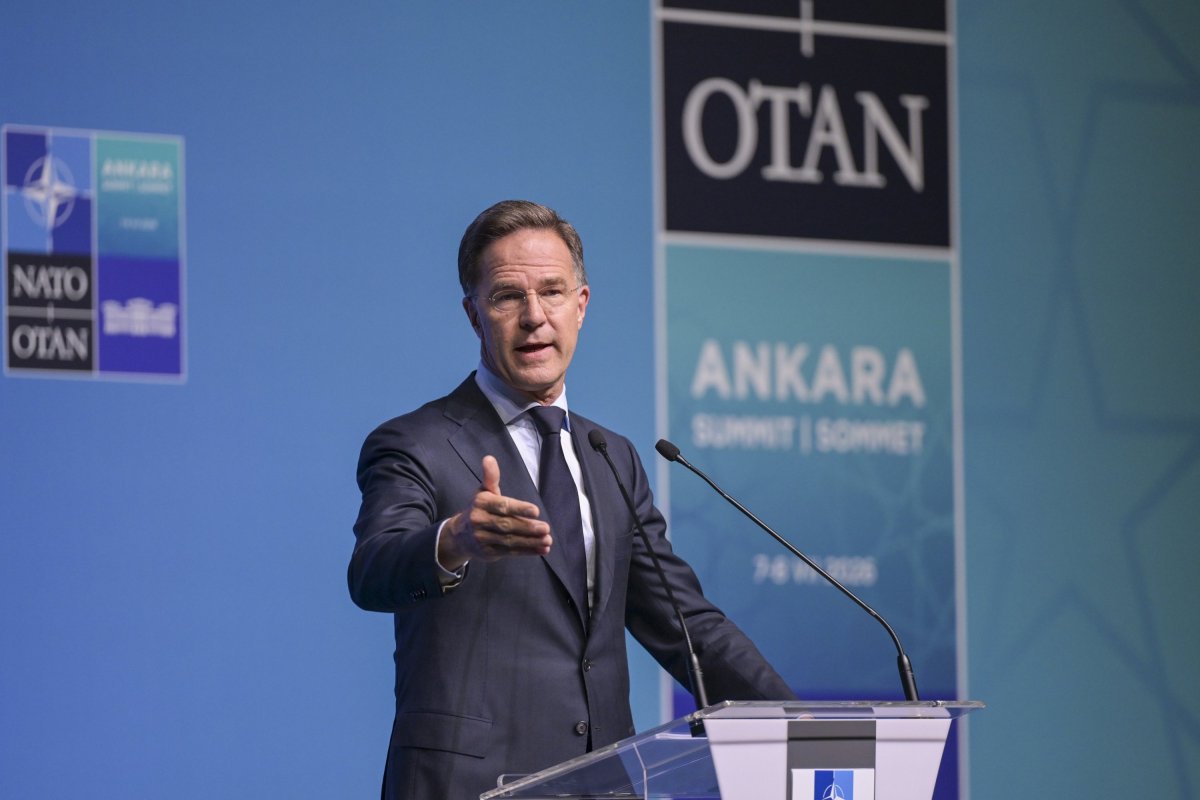
Mark Rutte, the NATO Secretary-General, used a news conference in the Turkish capital to underscore Ankara's importance to the alliance. He pointed to the country's armed forces, its expanding defense production base, and its position at the intersection of Europe, the Black Sea, and the Middle East. The remarks came ahead of a leaders' summit that will bring together the 32 member states to address defense spending, support for Ukraine, and wider security questions.
Turkey's Geographic Position Strengthens NATO's Southern Flank
Rutte described Turkey's location as a core asset. The country sits at the crossroads of several strategic theaters, giving NATO direct access to the Black Sea and proximity to the Middle East. This placement allows Ankara to influence maritime routes and serve as a forward operating hub for alliance activities. In the context of ongoing tensions around the Black Sea, Turkey's control of the Bosporus and Dardanelles straits remains a critical factor in regulating naval movements.
The geographic advantage also ties into broader regional dynamics. Turkey's southern borders place it near areas of Iranian influence and proxy activity. NATO planners have long viewed Ankara as a buffer that can help manage spillover risks from conflicts involving non-state actors supported by Tehran. At the same time, Turkey's position near the eastern Mediterranean connects it to energy routes that matter for European security of supply.
Defense Industry Growth Draws Alliance Attention
Rutte noted that Turkey's defense sector has advanced markedly in the past decade and now supplies capabilities the alliance requires. He highlighted the presence of thousands of companies producing equipment and components used across NATO operations. This industrial expansion supports collective defense goals by reducing reliance on external suppliers and increasing interoperability among member forces.
Turkish military modernization carries implications beyond the alliance itself. As Ankara develops indigenous systems, it gains leverage in arms export discussions with Gulf states and other regional actors. Countries such as Saudi Arabia and the UAE have shown interest in Turkish platforms, creating new channels for defense cooperation that sit alongside traditional Western suppliers. These developments occur against the backdrop of Gulf economic diversification efforts, where security partnerships are increasingly linked to technology transfer and local production goals.
Ankara's Balancing Act Between Russia and Western Partners
Turkey maintains operational ties with Russia in certain domains while remaining a full NATO member. This dual engagement requires careful calibration, especially on issues such as Black Sea security and energy transit. Rutte's public endorsement of Turkey's contributions signals that the alliance continues to value Ankara's participation despite these parallel relationships.
The balancing act affects how NATO approaches collective planning. Turkey's role in the Black Sea, for instance, influences discussions on maritime security that also involve Ukraine support. At the same time, Ankara's contacts with Moscow provide a channel that can be useful during periods of heightened tension. This position gives Turkey diplomatic room that few other allies possess, though it also creates occasional friction over procurement choices and operational coordination.
Implications for Middle Eastern Security Calculations
Turkish military modernization influences security dynamics across the Middle East in several ways. Enhanced Turkish capabilities can affect the calculations of actors such as Iran and its regional networks, including Hezbollah and Hamas. Sunni-Shia geopolitical competition remains a central feature of the region, and Turkey's strengthened posture adds another variable to the equation.
Arab-Israeli normalization under the Abraham Accords has already reshaped some alignments. Turkey's defense offerings provide an alternative pathway for states seeking to diversify security partnerships without exclusive dependence on any single supplier. This trend intersects with OPEC+ diplomacy and energy market stability, as Gulf producers weigh how defense ties might support their broader strategic autonomy.
Israeli-Turkish relations, while sometimes strained, also factor into regional assessments. Both countries maintain significant military capacities and share interests in containing certain Iranian activities. Turkish modernization therefore contributes to a more multipolar security environment in which no single external power dominates all calculations.
NATO's Evolving Regional Posture and the Ankara Summit
The decision to hold the summit in Ankara reflects an effort to recognize Turkey's contributions while reinforcing alliance cohesion. Discussions on defense spending targets and transatlantic security will take place against the backdrop of Rutte's emphasis on Turkish industrial capacity. The gathering offers an opportunity to align priorities on Ukraine support with the practical realities of Turkish geography and production capabilities.
Great power competition involving the United States, China, and Russia continues to shape NATO's regional approach. Turkey's position allows the alliance to maintain a presence near key chokepoints without requiring permanent large-scale deployments. This arrangement supports flexible responses to crises while acknowledging Ankara's independent foreign policy choices.
Strategic Outlook for Turkish Influence and Alliance Cohesion
Rutte's statements frame Turkey as an indispensable contributor whose leadership and location enhance NATO's overall posture. The praise arrives at a moment when the alliance seeks to integrate new capabilities and manage multiple theaters simultaneously. Turkish defense industry progress supports this integration by expanding the pool of available systems and components.
Over the longer term, Ankara's modernization trajectory will continue to intersect with Middle East security questions. Energy markets, proxy conflicts, and alliance burden-sharing all stand to be affected by how Turkish capabilities evolve and how they are deployed. The Ankara summit provides a forum to address these linkages directly, with Rutte's remarks setting a tone of recognition for Turkey's multifaceted role.
By Malik Hassan, Staff WriterThis article was produced with AI-assisted research and editorial support. Reporting is based on sources cited in the article.
What's Your Reaction?
 Like
0
Like
0
 Dislike
0
Dislike
0
 Love
0
Love
0
 Funny
0
Funny
0
 Wow
0
Wow
0
 Sad
0
Sad
0
 Angry
0
Angry
0

Middle East Correspondent at Global1.News. Based in Beirut, covering politics, conflict, energy, and society across the Middle East. Brings context and depth to a region often reduced to headlines.












Comments (0)