
Mexico's Third Heatwave of 2026: 31 Dead, 1,000+ Sick as El Niño and Climate Crisis Drive Extreme Temperatures
As a Brazilian climate journalist who has covered the Amazon’s burning seasons and the Andean glaciers’ retreat, I feel a deep regional kinship with Mexico’s people as they endure the third heatwave of 2026. The “temporada de calor 2026,” spanning epidemiological weeks 12 through 40 from late March into September and October, has already delivered lethal temperatures that no na
As a Brazilian climate journalist who has covered the Amazon’s burning seasons and the Andean glaciers’ retreat, I feel a deep regional kinship with Mexico’s people as they endure the third heatwave of 2026. The “temporada de calor 2026,” spanning epidemiological weeks 12 through 40 from late March into September and October, has already delivered lethal temperatures that no natural cycle alone can explain. This latest “tercera ola de calor” struck in May, blanketing up to 14 states and pushing thermometers beyond 45°C in Sonora and neighboring regions. While officials point to El Niño, the deeper truth lies in human-driven ocean warming that amplifies every heatwave across Latin America.
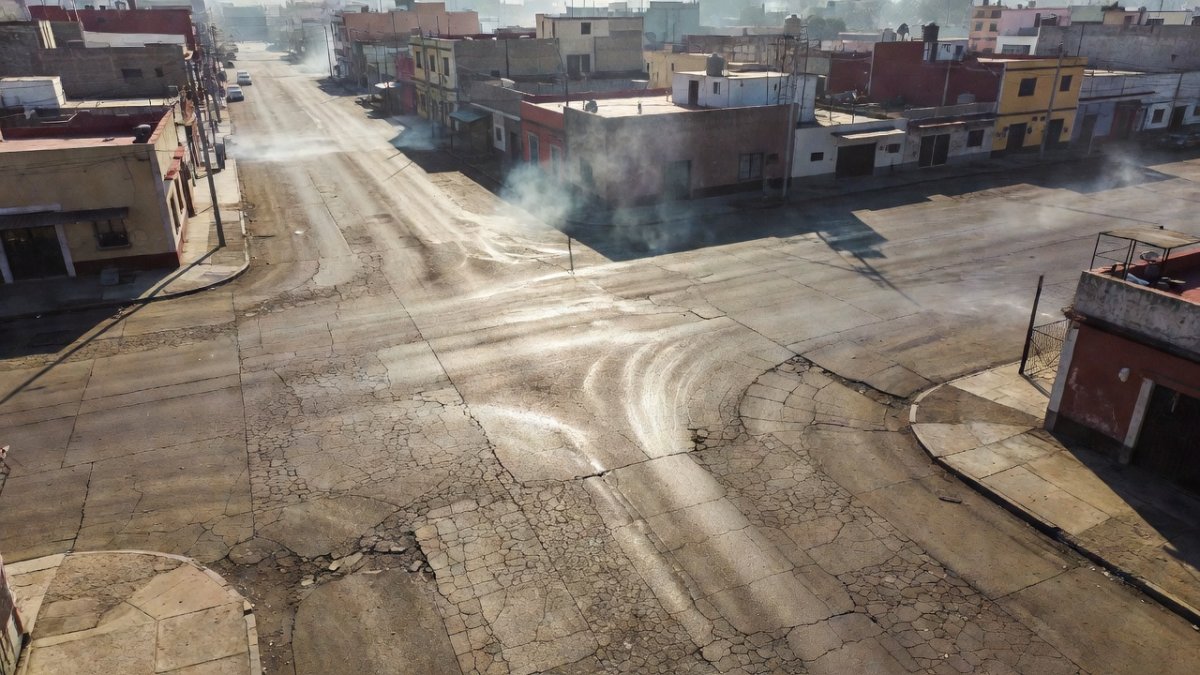
Mexico’s Sweltering Heat Season Intensifies
The 2026 heat season arrived with unusual ferocity, transforming daily life for millions from the arid north to the humid Yucatán Peninsula. CONAGUA and the Servicio Meteorológico Nacional documented how Föhn winds and persistent high-pressure systems locked hot air over vast territories, preventing cooling rains. By mid-May the third heatwave had engulfed Baja California, Sonora, Chihuahua, Coahuila, Nuevo León, Tamaulipas, Veracruz, Tabasco, and the entire Yucatán Peninsula. Temperatures routinely climbed into the 35–45°C range and stayed there through June and into July in northern and eastern states. These conditions are not isolated anomalies; they mirror the same marine heat stress now bleaching corals along Mexico’s Pacific coast and threatening fisheries that feed Central American communities. Latin America’s interconnected climate means that when Mexico’s northwest bakes, the ripple effects reach Brazilian soybean belts and Colombian coffee highlands through disrupted trade and migration patterns. The urgency is palpable: every additional tenth of a degree of global warming loads the dice for more frequent and intense events like this one.
Northwest Mexico Bears the Brunt of Extreme Temperatures
Sonora and Sinaloa emerged as ground zero for the most punishing conditions. In Hermosillo, thermometers shattered previous records as daytime highs exceeded 45°C for consecutive days, turning asphalt into soft tar and forcing outdoor workers to halt labor by 10 a.m. Neighboring states including Baja California, Chihuahua, Coahuila, Nuevo León, and Tamaulipas reported identical extremes, with the heat persisting well into July. These northwest states share arid landscapes and limited vegetation cover that offer little natural relief. Rural families without air conditioning or reliable electricity watched livestock perish and crops wither under the relentless sun. The same high-pressure systems that parked over Mexico also suppressed rainfall across the broader region, echoing drought signals already appearing in parts of Central America. Scientists at UNAM warn that such compound extremes—heat plus dryness—will become the new normal unless greenhouse-gas emissions are slashed. For Latin America, the message is clear: no country can insulate itself from the climate crisis when ocean temperatures in the Niño 3.4 region hit record levels.
Health Crisis: Rising Deaths and Heatstroke Cases
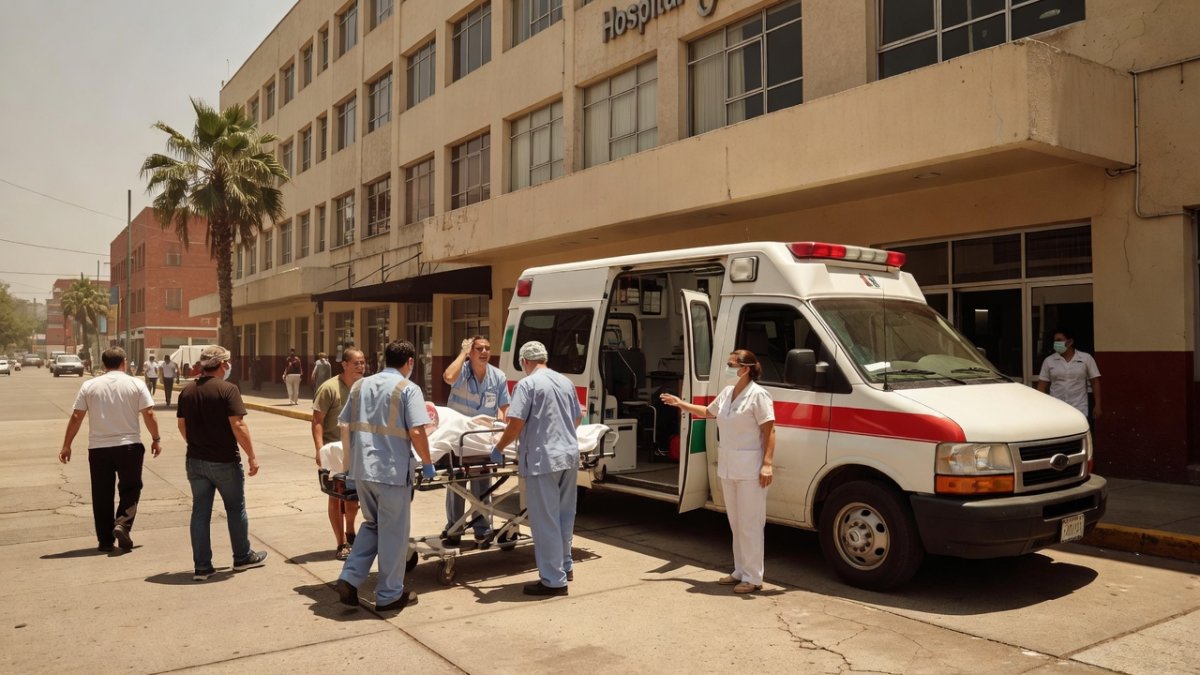
The human toll has been devastating. Through July 1–3, Secretaría de Salud recorded 31 heat-related deaths: 29 from golpe de calor and two from dehydration, spread across 15 states. Baja California suffered the highest toll with four to five fatalities, followed by Tabasco with four, Chiapas with three, Veracruz with three, and Nayarit with three. Quintana Roo, Guerrero, and Oaxaca each reported one or two deaths. By epidemiological week 25, the national caseload reached 1,002 heat-related illnesses, including 619 confirmed heatstroke cases. Tabasco alone accounted for 160 total cases and 110 heatstroke diagnoses, while Oaxaca, Jalisco, Morelos, Tamaulipas, Yucatán, Chiapas, and Veracruz also posted elevated numbers. This represents a 25 percent increase in deaths compared with the same period in 2025. Hospital emergency rooms and intensive-care units operated by IMSS and state facilities are overwhelmed by more than 600 heatstroke admissions. Children, the elderly, people with chronic illnesses, and those lacking access to cooling or hydration are paying the heaviest price. The strain on Mexico’s public-health infrastructure reveals how climate shocks quickly translate into humanitarian emergencies across Latin America.
El Niño Returns Amid Record Ocean Warming
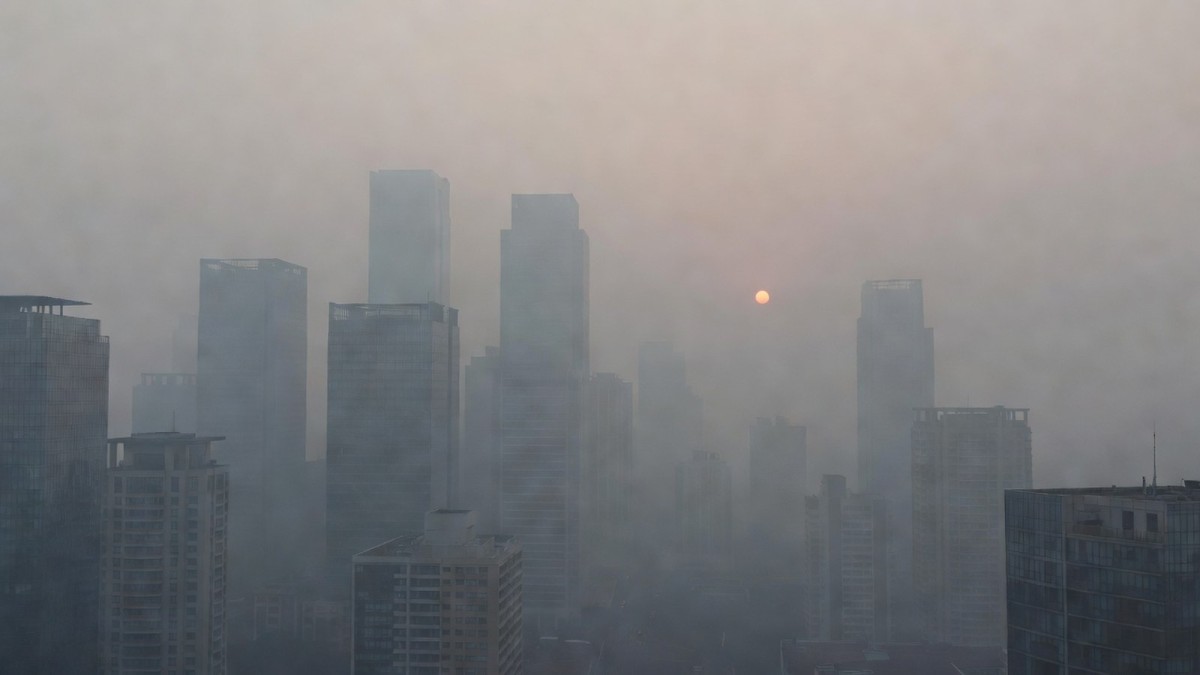
While natural variability plays a role, the developing El Niño of 2026 is arriving atop an already overheated planet. Sea-surface temperatures in the Niño 3.4 region reached a record 29.27°C in mid-June, fueling the transition from neutral to El Niño conditions between June and July. CONAGUA and SMN forecasts indicate this event will intensify the canícula—the traditional mid-summer drought of July and August—making it hotter and drier than usual. Yet researchers at UNAM emphasize that background warming from greenhouse gases is what pushes these heatwaves into lethal territory. The same pattern of marine heat stress linked to coral bleaching in the Pacific is now driving terrestrial extremes on land. For Latin America, El Niño historically brings floods to some areas and drought to others; when superimposed on human-caused warming, the extremes become more destructive. Mexico’s current crisis is therefore both a warning and a preview of what awaits the entire region if emissions continue unchecked.
Institutions Mobilize as Canícula Looms
Mexican authorities are racing to respond. Secretaría de Salud has issued repeated alerts urging hydration and shade, while CONAGUA and SMN provide daily temperature and rainfall outlooks. UNAM climatologists are modeling how the strengthening El Niño will interact with the canícula to prolong dangerous conditions through August. IMSS hospitals have activated surge protocols to handle the influx of heatstroke patients. These institutional efforts are essential, yet they remain reactive. Across Latin America, similar agencies in Brazil, Colombia, and Peru face parallel challenges as extreme heat migrates southward. The data from Mexico—14 states affected, temperatures above 45°C, a 25 percent rise in deaths—should serve as a regional wake-up call. Coordinated early-warning systems and investment in cooling centers and resilient infrastructure are no longer optional; they are survival necessities.
Human Stories from the Frontlines in Tabasco and Sonora
Behind every statistic are families whose lives have been upended. In Tabasco, where 160 heat-related cases and four deaths have already occurred, grandmother María López watches her grandchildren struggle to breathe in a home without fans during 40°C afternoons. In Sonora’s capital Hermosillo, construction worker José Ramírez lost two colleagues to heatstroke while pouring concrete under a blazing sun. Baja California’s border communities report similar tragedies, with elderly residents dying alone in apartments that retain heat long after sunset. These stories echo across Latin America—from Amazonian towns facing record heat to Andean villages where melting glaciers alter water supplies. The climate crisis is not abstract; it is measured in lost loved ones, empty hospital corridors at midnight, and children unable to attend school because classrooms have become ovens. Mexico’s third heatwave of 2026 is a stark reminder that the most vulnerable pay first and pay most.
Broader Implications for Latin America’s Climate Future
The 2026 Mexican heat crisis carries lessons for the entire hemisphere. With sea-surface temperatures at record highs and El Niño expected to worsen the canícula, the coming months will test every adaptation measure now in place. A 25 percent increase in heat deaths year-over-year signals that current protections are insufficient. Latin American nations must accelerate the shift to renewable energy, expand urban green spaces, and strengthen cross-border early-warning networks. The same ocean that is warming Mexico’s northwest is connected to the currents influencing Brazil’s droughts and Central America’s storms. Solidarity across the region—sharing data from CONAGUA with Brazilian meteorological services, for example—can save lives. Mexico’s experience shows that blaming El Niño alone is no longer credible when human-caused warming is the dominant driver. The time for half-measures has passed; the health and safety of millions depend on decisive action now.
By Elena Vasquez, Staff Writer Al Jazeera English: Blaming 'El Niño': Mexicans swelter in third heatwave — https://www.youtube.com/watch?v=MDHMg7B-c-IThis article was produced with AI-assisted research and editorial support. Reporting is based on sources cited in the article.
What's Your Reaction?
 Like
0
Like
0
 Dislike
0
Dislike
0
 Love
0
Love
0
 Funny
0
Funny
0
 Wow
0
Wow
0
 Sad
0
Sad
0
 Angry
0
Angry
0

Latin America Correspondent at Global1.News. Based in Mexico City, covering politics, economics, energy, and culture across the region. Brings an on-the-ground perspective to stories spanning from the Rio Grande to Patagonia.













Comments (0)