
Japanese Firms Adopt Game-Based Tools for Hiring and Training
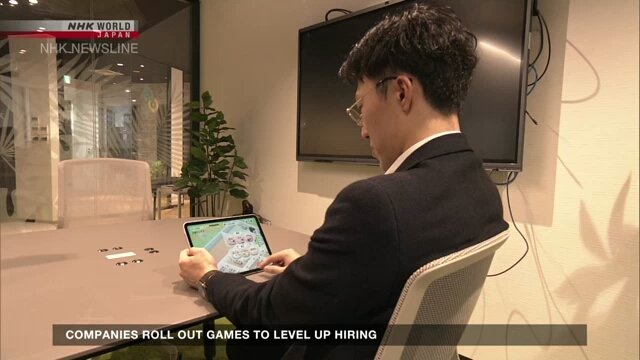
Japanese companies are increasingly incorporating game-based tools into their hiring and training practices to address persistent workforce challenges. A May 2026 NHK WORLD-JAPAN report highlighted the use of simulations such as school-kitchen scenarios and real-estate card games, which allow candidates to demonstrate practical skills in interactive settings. These approaches a
Japanese companies are increasingly incorporating game-based tools into their hiring and training practices to address persistent workforce challenges. A May 2026 NHK WORLD-JAPAN report highlighted the use of simulations such as school-kitchen scenarios and real-estate card games, which allow candidates to demonstrate practical skills in interactive settings. These approaches are helping firms attract applicants while building competencies aligned with evolving business needs.
Game-Based Tools Transform Hiring Practices Across Japanese Industry
Tokyo, Japan – June 16, 2026 — Japanese companies are turning to game-based simulations and card games as part of a broader effort to modernize hiring and training processes amid persistent labor shortages. The approach marks a notable shift in how Corporate Japan identifies and develops talent.
Japan's Demographic Challenge Drives HR Innovation
Japan continues to face a severe labor shortage driven by an aging population and declining birth rates. Data from the Ministry of Health, Labour and Welfare indicate ongoing difficulties in filling positions across multiple sectors, particularly in technology and services. This demographic pressure has prompted companies to seek more effective methods for identifying and developing talent.
The competition for young, tech-savvy workers has intensified as traditional recruitment channels prove less effective with newer generations. Firms are therefore exploring innovative formats that resonate with candidates familiar with digital environments. Government ministries have noted the need for updated approaches to match workforce supply with demand in key industries.
Corporate Japan is responding by integrating technology into human resources processes. This shift aligns with broader national strategies aimed at sustaining economic growth despite demographic headwinds. The focus remains on practical solutions that can scale across small and large enterprises alike.
How Game-Based Hiring Works in Practice
Companies are deploying school-kitchen simulations that place candidates in operational decision-making roles. Participants manage resources, handle time constraints, and respond to unexpected events within the virtual environment. These exercises reveal how individuals prioritize tasks and collaborate under pressure.
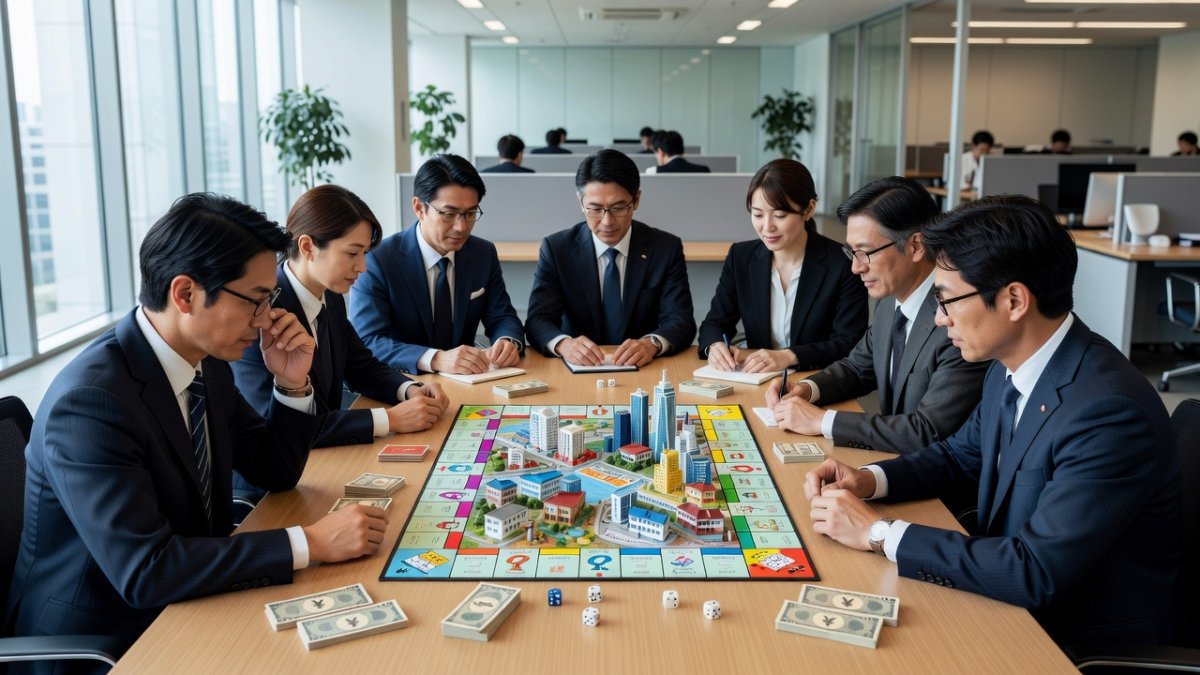
Real-estate card games offer another format where players negotiate deals, assess property values, and manage risks through structured gameplay. The format encourages strategic thinking and communication skills that are difficult to evaluate through standard interviews alone. Companies report that such tools provide clearer indicators of candidate suitability for specific roles.
These game formats allow applicants to demonstrate skills in practical settings rather than relying solely on resumes or formal credentials. Observers note that the interactive nature helps surface problem-solving abilities and adaptability. Implementation varies by sector, with service and property-related industries among early adopters.
Gamification Market Growth in Corporate Japan
Reports indicate that Japan's gamification corporate training market has grown to an estimated value exceeding USD 1.2 billion. This expansion reflects increased spending on HR technology as firms seek measurable improvements in recruitment outcomes. Trends show rising investment in digital platforms that combine assessment with skill development.
Game-based assessments differ from traditional Japanese hiring methods, which have historically emphasized academic background and structured interviews. The new tools introduce data points on real-time performance that complement existing evaluation frameworks. Organizations are gradually incorporating these methods to broaden their talent pipelines.
Adoption is supported by the availability of customizable platforms that can be tailored to industry-specific requirements. As more companies experiment with these approaches, the market continues to attract both domestic developers and international providers. The emphasis remains on tools that deliver actionable insights for hiring managers.
METI and Government Support for Digital HR
METI's Digital Transformation (DX) promotion policies encourage the adoption of advanced technologies in corporate operations, including human resources functions. These initiatives aim to enhance efficiency and competitiveness across Japanese industry. The Society 5.0 framework further supports the integration of digital tools into everyday business processes.
The Ministry of Health, Labour and Welfare has issued guidelines promoting recruitment efficiency through innovative methods. Government initiatives are providing frameworks that help companies implement technology while maintaining compliance with labor standards. The Digital Agency also contributes by advancing digital infrastructure that underpins these new HR systems.
These policies create an environment where game-based tools can be tested and scaled responsibly. Public-private collaboration is helping to standardize best practices for digital assessments. The overall direction supports Japan's goal of maintaining a skilled workforce amid demographic change.
Shifting from Lifetime Employment to Skills-Based Assessment
Traditional Japanese hiring practices centered on lifetime employment and seniority-based advancement. These systems prioritized long-term loyalty and gradual skill accumulation within a single organization. Recent economic pressures have prompted a reevaluation of this model in favor of more flexible approaches.
The move toward competency-based evaluation allows companies to assess candidates on demonstrated abilities rather than potential for long-term tenure. Game simulations supply data-driven insights by tracking decision patterns, response times, and collaborative behaviors during assessments. This information helps hiring teams make more informed selections.
Skills-based methods are gaining traction particularly in sectors requiring rapid adaptation to technological change. Companies report that game-based evaluations can identify candidates who might be overlooked in conventional processes. The transition supports broader efforts to diversify talent sources and accelerate workforce development.
Challenges and Limitations of Gamification in HR
Implementation costs represent a significant consideration for organizations considering game-based tools. Smaller firms may face barriers related to platform development and staff training requirements. Careful planning is needed to ensure these investments yield reliable returns.
Validation of game-based assessments remains an ongoing process as companies gather evidence on predictive accuracy. Cultural adaptation is also required in traditional industries where established hiring norms are deeply rooted. Resistance can arise when new methods are introduced without sufficient stakeholder engagement.
Data privacy considerations must be addressed to maintain candidate trust and regulatory compliance. Organizations are developing protocols for secure handling of performance data generated during simulations. These measures are essential for sustainable adoption across different corporate environments.
Outlook for Japan's HR Technology Sector
Future adoption trends point toward wider integration of game-based tools with artificial intelligence and advanced data analytics. This combination could enable more personalized assessment experiences and improved matching between candidates and roles. Continued refinement is expected as more performance data becomes available.
The implications for Japan's workforce development strategy are substantial. By aligning recruitment and training with digital capabilities, companies can better support national objectives such as Society 5.0 and Green Transformation initiatives. Enhanced HR technologies contribute to building a more agile and skilled labor force.
Stakeholders across government and industry are monitoring outcomes to identify scalable models. The evolution of these practices will likely influence how Japanese firms compete for talent in the coming years. Sustained focus on practical, evidence-based approaches should support long-term competitiveness.
By Kenji Tanaka, Staff Writer
This article was produced with AI-assisted research and editorial support. Reporting is based on sources cited in the article.
What's Your Reaction?
 Like
0
Like
0
 Dislike
0
Dislike
0
 Love
0
Love
0
 Funny
0
Funny
0
 Wow
0
Wow
0
 Sad
0
Sad
0
 Angry
0
Angry
0

Japan Correspondent at Global1.News. Tokyo-based voice covering Japanese politics, technology, economy, and culture. Tracks the intersection of tradition and innovation in one of the world's most dynamic societies.













Comments (0)