
Ireland Bans Ben Gvir and Smotrich, Pressuring EU on Palestine
The Middle East's diplomatic fault lines have widened as Ireland takes a bold stance against two Israeli cabinet members whose rhetoric and policies target Palestinian presence in the West Bank and Gaza. This June 2026 decision reverberates through EU-Gulf relations and challenges Israel's traditional alliances. It signals that European states are increasingly willing to isolat
The Middle East's diplomatic fault lines have widened as Ireland takes a bold stance against two Israeli cabinet members whose rhetoric and policies target Palestinian presence in the West Bank and Gaza. This June 2026 decision reverberates through EU-Gulf relations and challenges Israel's traditional alliances. It signals that European states are increasingly willing to isolate figures promoting demographic change in occupied territories.
Ireland's Travel Ban on Israeli Ministers Signals Deepening European Rift Over Palestinian Policies
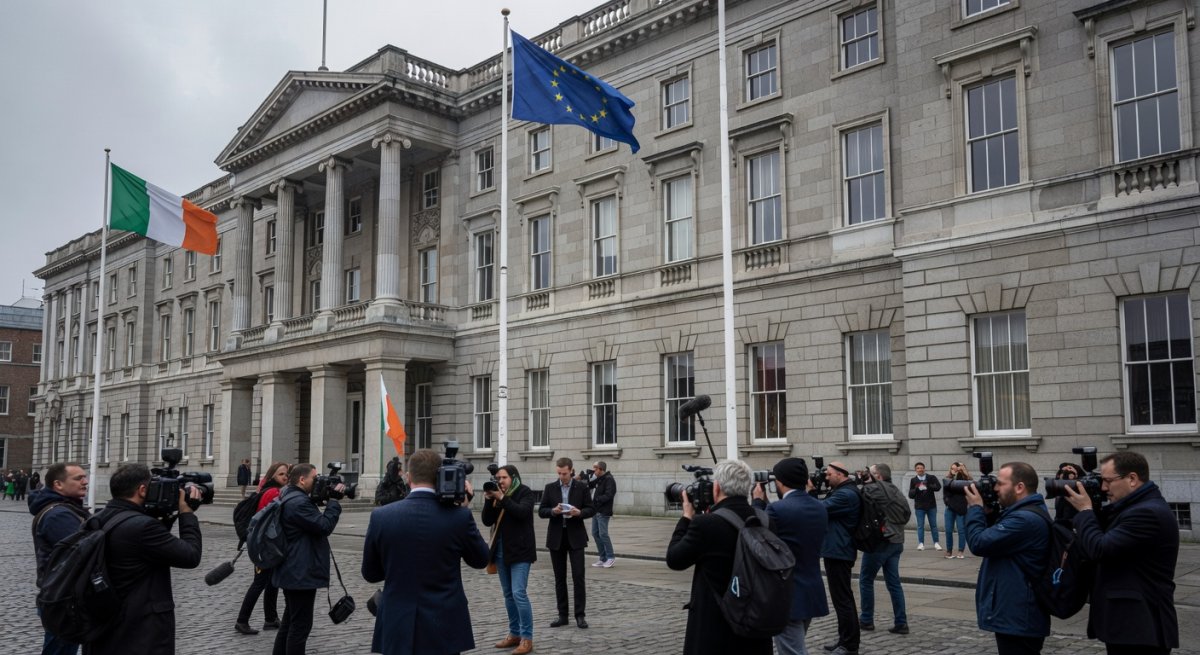
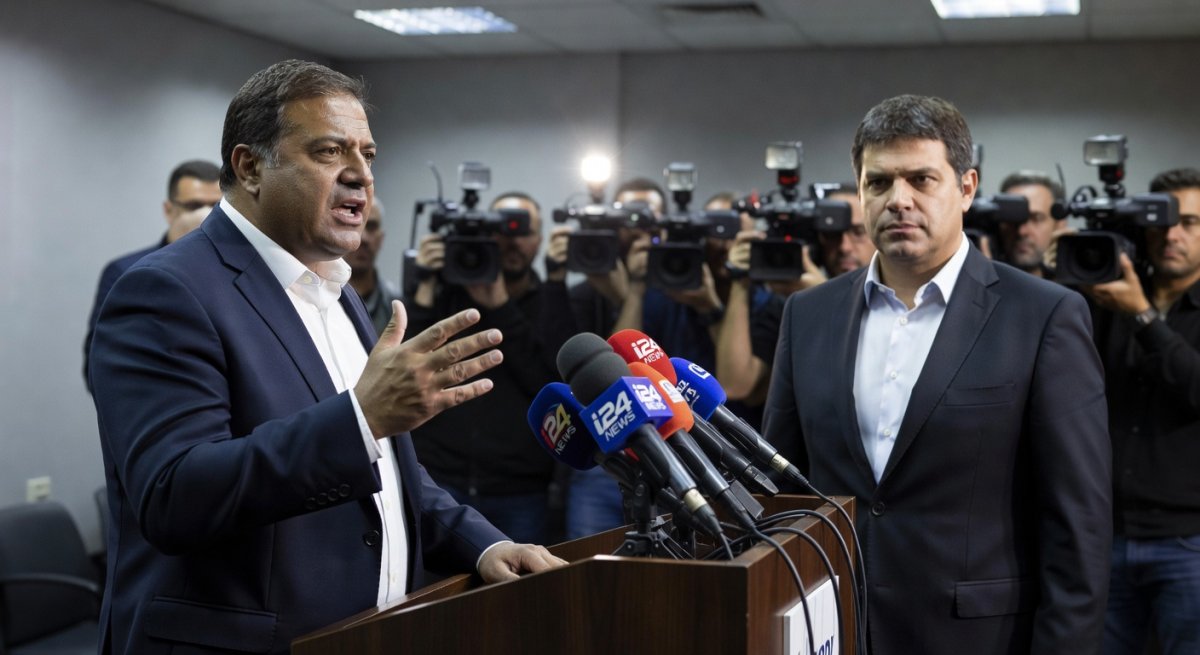
Dublin, Ireland – June 5, 2026 — Ireland has imposed entry bans on National Security Minister Itamar Ben Gvir and Finance Minister Bezalel Smotrich, citing their statements and actions as amounting to a desire to eliminate Palestinians from Palestine. Prime Minister Michael Martin immediately urged fellow EU members to adopt similar restrictions and consider bloc-wide sanctions. The move places direct pressure on Brussels while highlighting Ireland's consistent advocacy for Palestinian rights amid shifting Gulf dynamics.
The Specific Travel Ban and Its Immediate Impact
Ireland's foreign ministry formally notified Ben Gvir and Smotrich that they are persona non grata, effective immediately. The ban prevents both ministers from attending any diplomatic or private events on Irish soil. Officials in Dublin cited repeated public calls for settlement expansion and forced displacement as justification. The decision affects planned visits to EU institutions headquartered in Ireland and disrupts coordination meetings with Irish-based NGOs. Palestinian officials in Ramallah welcomed the measure as a rare European rebuke. Israeli diplomats in Dublin lodged formal protests, arguing the ban violates diplomatic norms. The immediate fallout includes canceled bilateral talks on trade and technology cooperation. Martin's statement that the ministers' behavior justifies EU-level sanctions sets the stage for upcoming European Council discussions.
Profile of Ben Gvir and Smotrich: Ideologies and Settlement Policies
Itamar Ben Gvir leads the Otzma Yehudit party and serves as National Security Minister, overseeing West Bank policing. His platform advocates Jewish sovereignty over all historic Palestine and supports armed settler militias. Bezalel Smotrich heads the Religious Zionism alliance and controls key budget levers as Finance Minister. Smotrich has publicly endorsed annexing Area C of the West Bank and conditioning Palestinian residency on loyalty oaths. Both ministers have allocated millions in state funds to settlement infrastructure, including roads linking isolated outposts to larger blocs. Their rhetoric frequently frames Palestinian villages as security threats requiring demolition. These positions clash directly with Ireland's long-standing support for a two-state solution based on 1967 borders. The ministers' influence within Benjamin Netanyahu's coalition gives them veto power over security legislation.
Ireland's Unique Pro-Palestinian Foreign Policy Within the EU
Ireland maintains one of the most consistent pro-Palestinian positions inside the European Union, rooted in its own history of partition and colonial experience. Successive governments have recognized Palestinian statehood in principle since 1980 and consistently vote against Israel at the UN Human Rights Council. Dublin hosts major Palestinian diplomatic missions and funds UNRWA programs at higher per-capita rates than most EU peers. Prime Minister Michael Martin has repeatedly criticized settlement construction as illegal under international law. This stance creates friction with more Atlanticist members such as Germany and Hungary. Ireland's policy also aligns with growing public solidarity movements that organize annual boycott campaigns. The current travel ban represents an escalation from rhetorical criticism to concrete diplomatic measures.
The EU Divide: Member States Supporting or Opposing Action
Spain, Belgium, and Luxembourg have signaled openness to coordinated travel restrictions following Ireland's lead. France and the Netherlands remain cautious, preferring quiet diplomacy through the EU-Israel Association Council. Germany and Austria oppose punitive measures, citing historical obligations and strong bilateral security cooperation with Israel. Hungary and the Czech Republic have already rejected the Irish proposal outright, threatening to block any qualified majority vote. The division mirrors earlier splits over labeling settlement goods and funding Palestinian NGOs. Scandinavian countries are drafting a joint statement that could tip the balance toward limited sanctions. Southern European states facing migration pressures from Gaza-linked routes are watching the debate closely. The outcome will determine whether the EU can present a unified position ahead of the next UN General Assembly session.
ICC Arrest Warrants Against Netanyahu and Gallant: Status and Implications
The International Criminal Court continues to review arrest warrant applications against Prime Minister Netanyahu and former Defense Minister Yoav Gallant for alleged war crimes in Gaza. Ireland's travel ban adds diplomatic weight to the ICC process by isolating hardline ministers who influence policy. Should warrants be issued, EU member states would face legal obligations to detain the officials if they travel within the bloc. This development complicates Netanyahu's travel schedule and limits his ability to lobby European capitals directly. Palestinian legal teams at the ICC have cited statements by Ben Gvir and Smotrich as evidence of intent to displace populations. The warrants' status remains under seal, but leaks suggest a decision could come before the end of 2026. Any enforcement would further strain EU-Israel security cooperation agreements.
Impact on Abraham Accords and Saudi Normalization Prospects
The Irish measure arrives as Riyadh continues to condition normalization on concrete progress toward Palestinian statehood. Saudi Crown Prince Mohammed bin Salman has publicly linked any deal to Israeli concessions on settlements and Gaza reconstruction. Ben Gvir and Smotrich's exclusion from European forums weakens Israel's argument that it can maintain strong Western ties while pursuing maximalist policies. Gulf states are monitoring whether other EU members follow Ireland's example. A broader sanctions regime could reduce Israel's leverage in trilateral talks involving the United States and Arab mediators. The Abraham Accords signatories—UAE, Bahrain, and Morocco—have issued muted responses, preferring to preserve economic channels. However, sustained European pressure risks slowing planned investment projects in Israeli tech and defense sectors.
Netanyahu Coalition Dynamics and Government Survival
Netanyahu's governing coalition depends on the support of Ben Gvir's Otzma Yehudit and Smotrich's Religious Zionism factions. The travel ban strengthens their narrative of international isolation and may rally their base against any perceived moderation. Netanyahu has avoided direct criticism of the ministers to prevent early elections. Yet the diplomatic costs are mounting as additional European states consider similar bans. Coalition partners have threatened to withdraw support if Netanyahu agrees to EU demands for settlement freezes. This internal tension limits Israel's room to maneuver in hostage negotiations or Gaza ceasefire talks. Analysts in Tel Aviv predict the government could face a confidence vote within six months if sanctions expand. The episode highlights how far-right ministers have shifted Israeli policy beyond what traditional diplomatic partners will tolerate.
Regional Implications: Hezbollah, Iran, and Turkey Reactions
Hezbollah leaders in Beirut hailed the Irish decision as evidence that Israel's international standing is eroding. Iranian Foreign Ministry spokesmen called the ban a first step toward accountability for settlement expansion. Turkey's President Recep Tayyip Erdogan praised Dublin while urging the Organization of Islamic Cooperation to coordinate further diplomatic measures. These reactions reinforce narratives in Tehran and Ankara that European unity on Israel is fracturing. Hezbollah may use the development to justify continued arms transfers to West Bank militants. Iran's Quds Force has already increased coordination meetings with Palestinian factions citing European momentum. Turkey is positioning itself as a mediator between EU states and Hamas political offices in Doha. The regional ripple effects extend to Jordan and Egypt, both of which fear renewed settlement activity near their borders.
Future Outlook: Momentum for Further European Measures
Ireland's action creates precedent for additional travel bans and targeted sanctions across the European Union. Upcoming European Council meetings in July 2026 will test whether a qualified majority can agree on asset freezes against settlement-related entities. Palestinian civil society groups are preparing lists of additional Israeli officials for consideration. Gulf states are recalibrating their engagement strategies, with some diplomats exploring direct EU channels rather than relying solely on Washington. The trajectory suggests incremental escalation rather than dramatic rupture, yet each new measure narrows Israel's diplomatic space. Continued settlement growth and inflammatory rhetoric from Ben Gvir and Smotrich will likely sustain this momentum. Observers expect at least two more EU members to announce parallel restrictions before the end of summer.
By Malik Hassan, Staff Writer
This article was produced with AI-assisted research and editorial support. Reporting is based on sources cited in the article.
What's Your Reaction?
 Like
0
Like
0
 Dislike
0
Dislike
0
 Love
0
Love
0
 Funny
0
Funny
0
 Wow
0
Wow
0
 Sad
0
Sad
0
 Angry
0
Angry
0

Middle East Correspondent at Global1.News. Based in Beirut, covering politics, conflict, energy, and society across the Middle East. Brings context and depth to a region often reduced to headlines.












Comments (0)