
Gulf of Paria Spill Dispute Puts Trinidad-Venezuela Relations to the Test
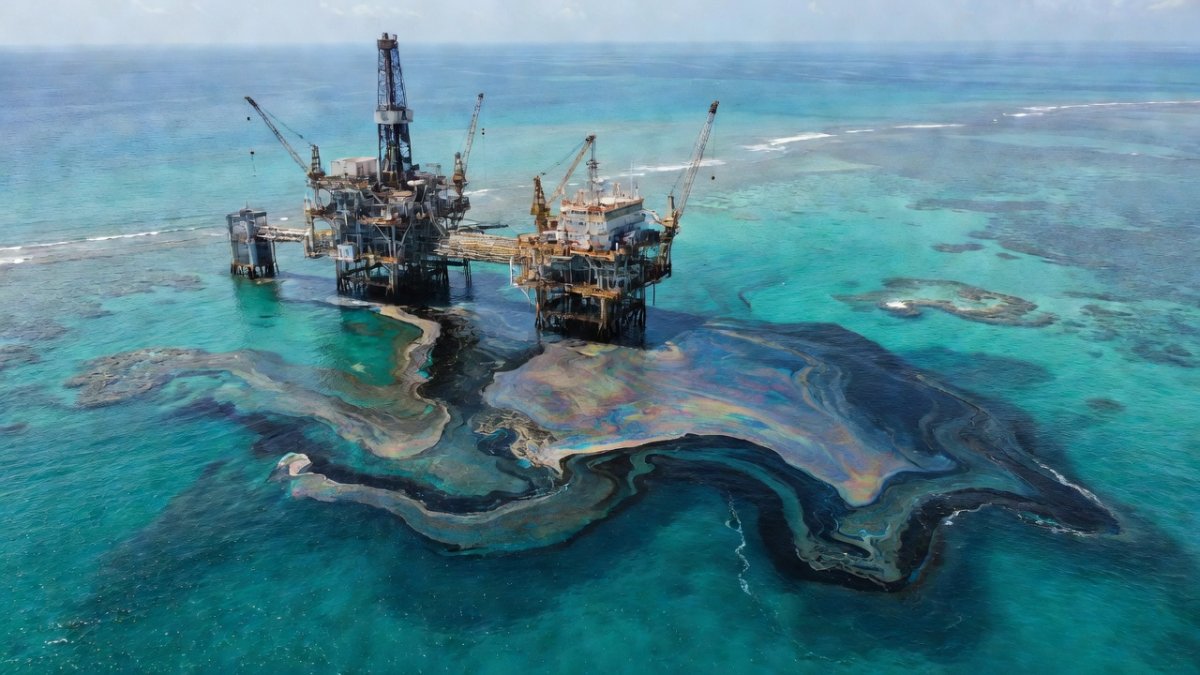
Discovery and immediate response Heritage Petroleum picked up the spill at Main Field in the Gulf of Paria right at 7:25am on May 1. Workers moved fast and stopped the leak the same day, with repairs finished by May 2. Only about 10 barrels escaped, yet the company knew the oil could drift across the maritime border into Venezuelan waters. Chemical dispersants went down 6-8 nau
Discovery and immediate response
Heritage Petroleum picked up the spill at Main Field in the Gulf of Paria right at 7:25am on May 1. Workers moved fast and stopped the leak the same day, with repairs finished by May 2. Only about 10 barrels escaped, yet the company knew the oil could drift across the maritime border into Venezuelan waters.
Chemical dispersants went down 6-8 nautical miles from the Trinidad-Venezuela line to break up the slick before it spread further. Fishing families along the south-west coast watched the response with quiet worry, knowing even small spills hit their daily catch and the cost of putting food on the table.
Energy prices already strain households across the Caribbean. Any disruption in the Gulf of Paria ripples straight into household budgets, from diesel for boats to the price of fresh fish in the market. The quick stoppage helped, but the lack of early public word left many wondering what else might be moving beneath the surface.
Venezuela's evidence and demands
Venezuela came forward on May 12 with satellite pictures dated April 28, days before Trinidad and Tobago even logged the spill. Foreign Minister Yván Gil demanded compensation for damage across 1,625 square kilometres that touched 12 wetland systems and four national parks in Sucre and Delta Amacuro.
Acting President Delcy Rodríguez sent environmental specialists, biologists and naval teams into the affected zones. More than 500 fishermen there now face lost income while they wait to see how long the waters stay unsafe for their nets and traps.
These communities live close to the sea the way we do in Trinidad. When the catch drops, school fees, medicine and even the weekly market run become harder. Venezuela’s figures show the spill reached places that feed families on both sides of the border, turning a technical incident into a shared livelihood worry.
The silence from Port of Spain
Neither Heritage Petroleum nor the Trinidad and Tobago government told the public about the spill until Venezuela spoke out on May 12. Trajectory modelling had already shown the hydrocarbons could cross the line, yet the information stayed inside official circles for nearly two weeks.
People along the coast who depend on the Gulf for work felt the quiet most. Fishermen check the water every morning before they head out, and when news travels late it leaves them guessing whether their catch is safe or whether tourism bookings will dry up because of rumours.
The delay also touched energy prices. Neighbouring islands watch every movement in the Gulf because any uncertainty pushes up insurance and transport costs that eventually reach the supermarket shelf. Openness matters when the sea connects so many households across the region.
Political context and tense relations
Venezuela has long claimed Trinidad as its territory, much like its stance toward Guyana. That history sits behind every exchange about the spill and makes even routine talks feel heavier. The fact that Maduro is now in US custody adds another layer of strain to any conversation between the two countries.
Diplomats on both sides know the Gulf of Paria has been a shared resource for generations. Fishing families from Icacos to Sucre have swapped stories and traded catches long before modern borders were drawn. A spill does not respect those lines, and neither do the price swings that follow.
Caribbean people understand how quickly one country’s problem becomes everyone’s concern. Energy costs, tourism seasons and the daily price of fish all move together when something goes wrong offshore. The current climate makes finding common ground more urgent, not less.
Calls for investigation from Stuart Young
Former Energy Minister Stuart Young has asked for a full probe into why information about the spill stayed quiet for so long. He wants to know who decided not to tell the public even after modelling showed the oil could reach Venezuelan waters.
Many in Trinidad agree that answers matter. When fishing communities lose days at sea and small businesses tied to tourism feel the pinch, they need to know the system will flag problems faster next time. Suppressed details only add to the cost-of-living pressure already felt in every household.
Young’s call reflects a wider feeling that transparency protects the very industries that keep Caribbean economies afloat. Without it, rumours grow and confidence in both energy and fishing sectors takes longer to return.
Bilateral talks on the horizon
MP Roodal Moonilal confirmed that talks between Trinidad and Tobago and Venezuela are being arranged. Both sides need to sit down and sort out what happened and how to avoid repeats that hurt the same fishing families on either coast.
These discussions will touch on notification rules and joint monitoring so that a spill detected at 7:25am does not stay hidden until another country raises the alarm. The 500-plus fishermen in Sucre and Delta Amacuro, and their counterparts in south Trinidad, all wait to see practical steps emerge.
Caribbean neighbours have always sorted differences through conversation. When energy prices and daily catches are at stake, steady dialogue keeps the wider region steadier too. Moonilal’s update gives hope that the two countries can move from dispute to workable agreement.
Wider Caribbean lessons on notification
The spill shows why cross-border notification frameworks for offshore oil are needed across the Caribbean. A slick that starts in one country’s waters can reach another within hours, affecting wetlands, parks and the livelihoods tied to them.
Countries that share seas must share information the same day, not weeks later. Fishing communities from Trinidad to Venezuela already trade knowledge across the water; governments should match that openness so tourism seasons and household budgets do not suffer unnecessary shocks.
Energy prices move fast when uncertainty lingers. Clear rules would protect the 1,625 square kilometres of shared marine space and the people who depend on it every day. The Gulf of Paria spill is a reminder that the sea connects us all, and timely word helps everyone plan together.
By Sharon Sahatoo, Staff WriterThis article was produced with AI-assisted research and editorial support. Reporting is based on sources cited in the article.
What's Your Reaction?
 Like
0
Like
0
 Dislike
0
Dislike
0
 Love
0
Love
0
 Funny
0
Funny
0
 Wow
0
Wow
0
 Sad
0
Sad
0
 Angry
0
Angry
0

Caribbean Correspondent at Global1.News. Based in Port of Spain, Trinidad, covering Caribbean politics, economy, energy, climate, and culture. Amplifying the voices and stories of the Caribbean region.









Comments (0)