
Canada Marks 30th National Indigenous Peoples' Day with Celebrations Coast to Coast
Canada Marks 30th National Indigenous Peoples' Day with Celebrations Coast to Coast Across Canada, communities from coast to coast are gathering on Sunday to mark the 30th anniversary of National Indigenous Peoples' Day, an occasion dedicated to honouring the cultures, histories and contributions of First Nations, Inuit and Métis peoples. The day coincides with the summer solst
Canada Marks 30th National Indigenous Peoples' Day with Celebrations Coast to Coast
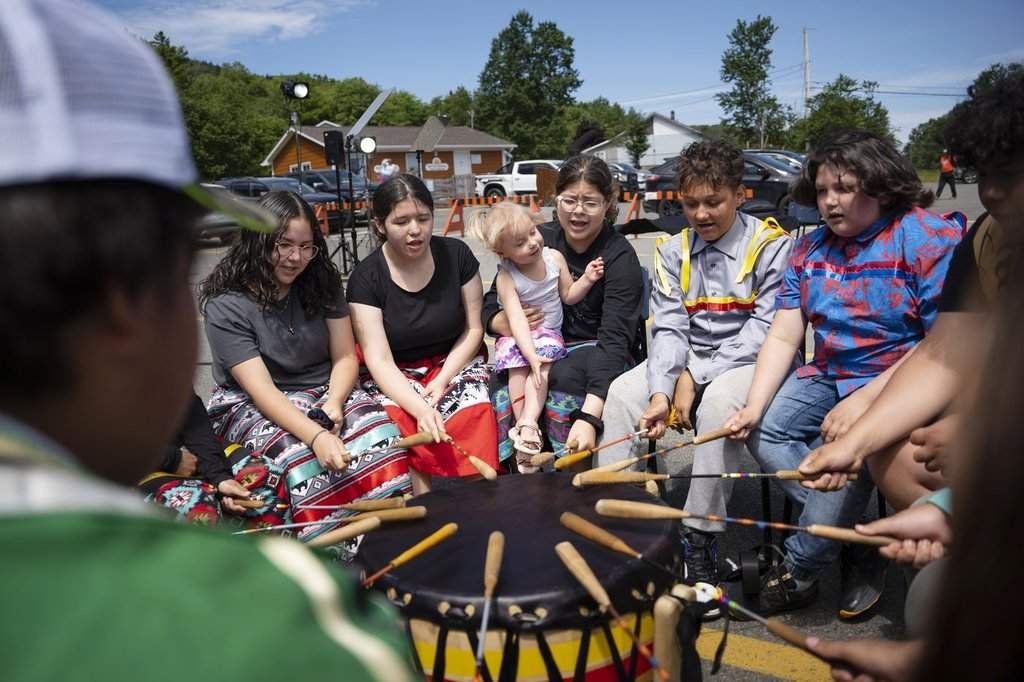
Across Canada, communities from coast to coast are gathering on Sunday to mark the 30th anniversary of National Indigenous Peoples' Day, an occasion dedicated to honouring the cultures, histories and contributions of First Nations, Inuit and Métis peoples. The day coincides with the summer solstice and concludes Indigenous Peoples Month, observed throughout June each year. Events range from sunrise ceremonies and powwows to concerts and traditional feasts, reflecting the diversity of Indigenous traditions nationwide. From the coastal shores of British Columbia and the urban parks of Vancouver and Toronto to the prairie landscapes near Saskatoon, the river forks of Winnipeg, the eastern communities of Moncton and Corner Brook in Newfoundland, the Nova Scotia gathering at We'koqma'q, and the northern territories site in the Northwest Territories, these observances illustrate the geographic breadth spanning the country. Each gathering draws on local environments while uniting participants in recognition of shared heritage and the month-long focus on Indigenous Peoples Month that builds toward this national day.
The Story
National Indigenous Peoples' Day traces its origins to a 1996 proclamation issued by Governor General Romeo LeBlanc. This formal recognition followed years of advocacy by Indigenous groups seeking a dedicated national observance. The date aligns with the summer solstice, the longest day of the year, which carries deep cultural meaning for many Indigenous communities across the country. The proclamation represented a significant federal acknowledgement after sustained efforts by First Nations, Inuit and Métis organisations to secure a permanent place in the national calendar for celebrating their distinct identities and achievements. By establishing June 21 as the focal point, the 1996 decision created an enduring framework that has since grown into a cornerstone of public recognition, evolving from its original designation as National Aboriginal Day into the current title that better reflects contemporary preferences.
The summer solstice has long served as a time for renewal, gathering and reflection in numerous Indigenous traditions. Many First Nations, Inuit and Métis groups view this astronomical event as a moment to connect with the land and celebrate seasonal changes. The observance now forms the centrepiece of Indigenous Peoples Month, providing a full month of programming that builds toward the June 21 celebrations. Throughout June, communities organise educational workshops, cultural demonstrations and public exhibitions that explore the histories and ongoing contributions of Indigenous peoples, culminating in the solstice events that emphasise themes of continuity, resilience and connection to ancestral territories. This extended period allows for deeper engagement with the significance of the longest day, fostering greater awareness among participants and visitors alike.
Originally known as National Aboriginal Day, the observance underwent a name change to better reflect contemporary terminology preferred by Indigenous peoples. This evolution underscores ongoing efforts to ensure the day resonates with the communities it honours. The 30th anniversary this year highlights three decades of growing participation and recognition at federal, provincial and community levels. Over this span, the day has transformed from a newly proclaimed observance into a widely embraced national moment, with increasing involvement from governments, cultural institutions and the public, demonstrating how the initial advocacy has yielded sustained momentum and broader societal integration.
Indigenous groups advocated for the day to promote greater public understanding of their distinct histories and contemporary realities. The proclamation by Governor General LeBlanc marked an important step in acknowledging these contributions within Canada's national calendar. Over the years, the event has expanded to include educational programming, cultural performances and community-led initiatives that emphasise continuity and resilience. These developments have allowed the observance to serve as both a celebration and an educational platform, encouraging dialogue and learning that extend well beyond the single day itself while reinforcing the foundational goals set out in 1996.
Canadian Context
Prime Minister Mark Carney is scheduled to visit Nanaimo, British Columbia, on Sunday to tour an exhibit focused on Snuneymuxw culture at the Nanaimo Museum. This engagement reflects federal interest in supporting regional Indigenous cultural preservation efforts. Governor General Louise Arbour will participate in a ceremony marking the 25th anniversary of the National Aboriginal Veterans Monument in Ottawa, hosted by Aboriginal Veterans Autochtones. The monument anniversary provides a parallel opportunity to honour the military service of Indigenous veterans alongside the cultural celebrations of the day, highlighting the dual themes of heritage and sacrifice that intersect on this national occasion. Such high-level participation underscores the federal government's role in recognising both contemporary cultural vitality and historical contributions.
Indigenous Services Minister Mandy Gull-Masty is set to attend the Summer Solstice Indigenous Festival in Ottawa, which includes a competition powwow along with culinary and educational components. Métis National Council president Victoria Pruden will take part in the Rhythms of the Homeland event at Ottawa's Minto Park, celebrating Métis food, music and dance. These high-profile attendances illustrate the federal government's ongoing engagement with Indigenous communities. The presence of senior officials at events spanning Métis, First Nations and broader Indigenous programming demonstrates a coordinated approach to participation that spans different nations and regions, reinforcing the day's role in fostering dialogue across federal and Indigenous leadership structures.
The observances connect to broader federal initiatives on Indigenous relations, including commitments arising from the Truth and Reconciliation Commission process. Government representatives often use the day to highlight progress on calls to action while acknowledging areas requiring further work. Participation by senior officials signals continued emphasis on partnership and dialogue with First Nations, Inuit and Métis leadership. This context of federal-provincial-Indigenous relations provides a framework in which the celebrations serve not only as cultural markers but also as moments for reflecting on collaborative efforts toward reconciliation and improved relations across all levels of government.
Events this year occur against a backdrop of sustained federal programming aimed at advancing reconciliation. The dual milestone of the 30th National Indigenous Peoples' Day and the 25th anniversary of the veterans monument provides an opportunity to reflect on both cultural celebration and military service. Officials have noted that such gatherings strengthen relationships between Indigenous peoples and the Crown. The convergence of these anniversaries allows for a comprehensive view of Indigenous contributions to Canadian society, encompassing artistic, cultural and military dimensions within the ongoing work of building stronger intergovernmental and community ties.
Celebrations Across the Country
Wanuskewin Heritage Park near Saskatoon will host traditional dancing, drum performances and storytelling sessions as part of its National Indigenous Peoples' Day programming. These activities allow participants to engage directly with prairie Indigenous heritage through rhythmic expressions and oral histories that convey generational knowledge. Ambleside Park in Vancouver is preparing an event featuring live music, canoe activities and a traditional salmon dinner cooked over an open fire, where the open-flame preparation evokes longstanding coastal practices of communal feasting and connection to marine resources. The Forks in Winnipeg will present the Wahkohtowin Powwow organised by the Southern Chiefs' Organization, alongside a craft and food market, live music and traditional storytelling that together create a vibrant gathering space for sharing and exchange.
Bore Park in Moncton, New Brunswick, will feature a celebration of Mi'kmaw culture with community-focused activities that highlight eastern Indigenous traditions in a public park setting. In Corner Brook, Newfoundland, the Elmastukwek Mawio'mi is organising a sunrise ceremony and community gathering that marks the solstice at the break of day with collective reflection. The Yellowknives Dene First Nation will hold its annual event at the Wiiliideh Site in the Northwest Territories, including hand games, duck plucking and canoe races that draw on northern land-based skills and friendly competition. These varied activities demonstrate how each region adapts the day to its specific environment and customs.
We'koqma'q in Nova Scotia is hosting a community breakfast, medicine walk, barbecue and fireworks display that blend daytime learning with evening spectacle. The City of Toronto will conduct a morning ceremony at Biidaasige Park to mark the occasion with formal observances in an urban green space. POP Montreal is presenting a free outdoor concert featuring performances by Hello Crows, Linda Saddleback and the Manitou Singers, offering musical expressions that enrich the cultural tapestry of the day. These gatherings demonstrate the geographic breadth of the observance, spanning urban centres and remote communities alike. Each location adapts the day to local customs while maintaining the core purpose of honouring Indigenous heritage. Organisers have emphasised accessibility, with many events open to the public to encourage wider participation and learning.
Indigenous Communities and Cultural Significance
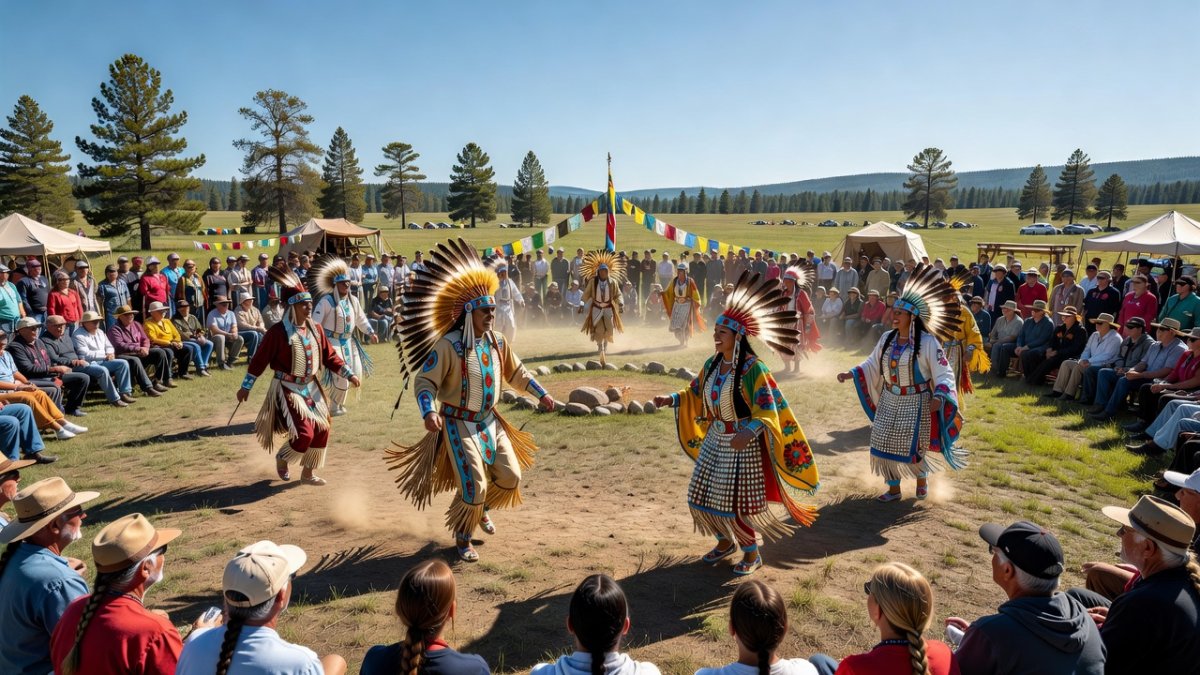
Community-led organisation remains central to National Indigenous Peoples' Day events, ensuring that programming reflects local priorities and protocols. This approach supports cultural continuity by allowing Elders and knowledge keepers to guide activities such as storytelling and traditional demonstrations. Intergenerational knowledge sharing occurs naturally through participation in dances, feasts and ceremonies that pass practices from one generation to the next. By centring community voices in the planning and execution, the events maintain authenticity and relevance, enabling participants to experience the living expressions of culture rather than static representations.
Regional diversity is evident in the range of activities, from British Columbia canoe events to Newfoundland sunrise ceremonies and Northwest Territories hand games. Such variety illustrates how the summer solstice holds distinct meanings across different Indigenous nations while uniting them in a common national observance. Practices are adapted to local environments, reinforcing connections to specific territories and histories. This geographic spread from western coastal waters through central plains and eastern shores to northern inland sites underscores the nationwide character of the day and the ways in which Indigenous Peoples Month programming prepares communities for these culminating celebrations.
Elders and community leaders play pivotal roles in shaping the tone and content of celebrations, often opening events with prayers or teachings. Their involvement helps maintain the integrity of cultural elements and provides younger participants with direct links to ancestral knowledge. These events contribute to cultural preservation by creating spaces where languages, songs and customs are actively practised and witnessed. The emphasis on lived experience during the solstice gatherings strengthens communal bonds and ensures that traditions remain vibrant and responsive to contemporary contexts.
The significance extends beyond a single day, reinforcing year-round efforts to sustain traditions amid contemporary challenges. By bringing together families and visitors, the gatherings foster pride and resilience within Indigenous communities. Observers note that the emphasis on lived culture helps counter historical narratives that have marginalised Indigenous contributions to Canadian society. Through sustained participation in Indigenous Peoples Month activities leading to June 21, communities build ongoing momentum that supports both internal cultural strength and external understanding.
Looking Ahead
The 30th anniversary of National Indigenous Peoples' Day coincides with the 25th anniversary of the National Aboriginal Veterans Monument, creating a moment to recognise both cultural vitality and military service. Federal commitments to reconciliation continue to shape how the day is observed, with officials highlighting the need for sustained action on outstanding issues. Future observances are expected to build on current formats while incorporating new voices and technologies. The dual milestone encourages reflection on the progress achieved since the 1996 proclamation and the ongoing work required to deepen federal-provincial-Indigenous relations in support of these cultural and commemorative efforts.
Indigenous Peoples Month in June provides an extended platform for education and engagement that culminates on June 21. Organisers anticipate that events will evolve to include more hybrid formats, allowing broader participation from those unable to attend in person. The role of the day in fostering public awareness is likely to grow as communities seek greater recognition of their distinct identities within Canada. This month-long framework enables layered programming that prepares participants for the solstice focus, extending the impact of the national day across multiple weeks of activity.
Discussions about the future of the observance often centre on ensuring that Indigenous leadership retains primary direction over programming. This approach aligns with principles of self-determination and helps maintain authenticity. As the day enters its fourth decade, participants express hope that it will continue to serve as both a celebration and a reminder of ongoing journeys toward equity and understanding. The emphasis on community ownership ensures that expansions remain grounded in the original advocacy that led to the 1996 proclamation.
Communities are already planning expansions for subsequent years, including additional youth-focused initiatives and cross-regional collaborations. The combination of established traditions and emerging ideas suggests the observance will remain dynamic. Federal support, alongside community ownership, is viewed as essential to fulfilling the day's original purpose of honouring Indigenous peoples across the country. These forward-looking efforts build on the geographic and cultural diversity already evident in events from British Columbia to Newfoundland and the Northwest Territories, ensuring the day continues to reflect the full spectrum of Indigenous experiences.
Tags: National Indigenous Peoples' Day, Indigenous relations, summer solstice, First Nations, Métis, Inuit, federal government, community events, Canada, reconciliation
By Alex Thompson, Staff Writer
This article was produced with AI-assisted research and editorial support. Reporting is based on sources cited in the article.
What's Your Reaction?
 Like
0
Like
0
 Dislike
0
Dislike
0
 Love
0
Love
0
 Funny
0
Funny
0
 Wow
0
Wow
0
 Sad
0
Sad
0
 Angry
0
Angry
0

Canada Correspondent at Global1.News. Based in Toronto, covering Canadian politics, energy, trade, and US-Canada relations. Provides the Canadian perspective on North American and global affairs.















Comments (0)