
Canadian-Made Sniper Rifles Appear in Embargoed Conflict Zones, Raising Questions on Export Controls
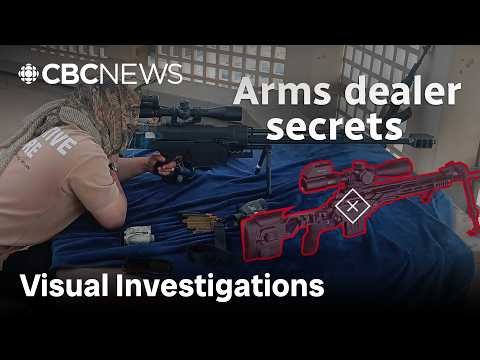
In a recent CBC News YouTube investigation, Canadian-made Sterling Cross XLCR precision sniper rifles have been documented in three countries under Canadian arms embargoes: Sudan, Libya and Yemen. The visual investigation, released this week, traces the weapons from a manufacturer in Abbotsford, British Columbia, through shipments to the United Arab Emirates and onward to confl
In a recent CBC News YouTube investigation, Canadian-made Sterling Cross XLCR precision sniper rifles have been documented in three countries under Canadian arms embargoes: Sudan, Libya and Yemen. The visual investigation, released this week, traces the weapons from a manufacturer in Abbotsford, British Columbia, through shipments to the United Arab Emirates and onward to conflict zones where they are being used by paramilitary forces, militia units and sold openly on the black market. The findings raise serious questions about the effectiveness of Canada's arms export controls and the federal government's ability to track weapons once they leave Canadian jurisdiction.
Canadian-Made Sniper Rifles Appear in Embargoed Conflict Zones, Raising Questions on Export Controls
Ottawa, Ontario – June 2026 — The CBC visual investigation published this week documents Sterling Cross XLCR precision sniper rifles from Abbotsford, British Columbia, appearing in Sudan, Libya and Yemen. Government arms export reports confirm 113 rifles left Canada for the United Arab Emirates in 2019 and 2020. Foreign Affairs Minister Anita Anand has stated she is "very concerned" and that "there may indeed be contraventions" of the permitting process, with enforcement falling to the RCMP.
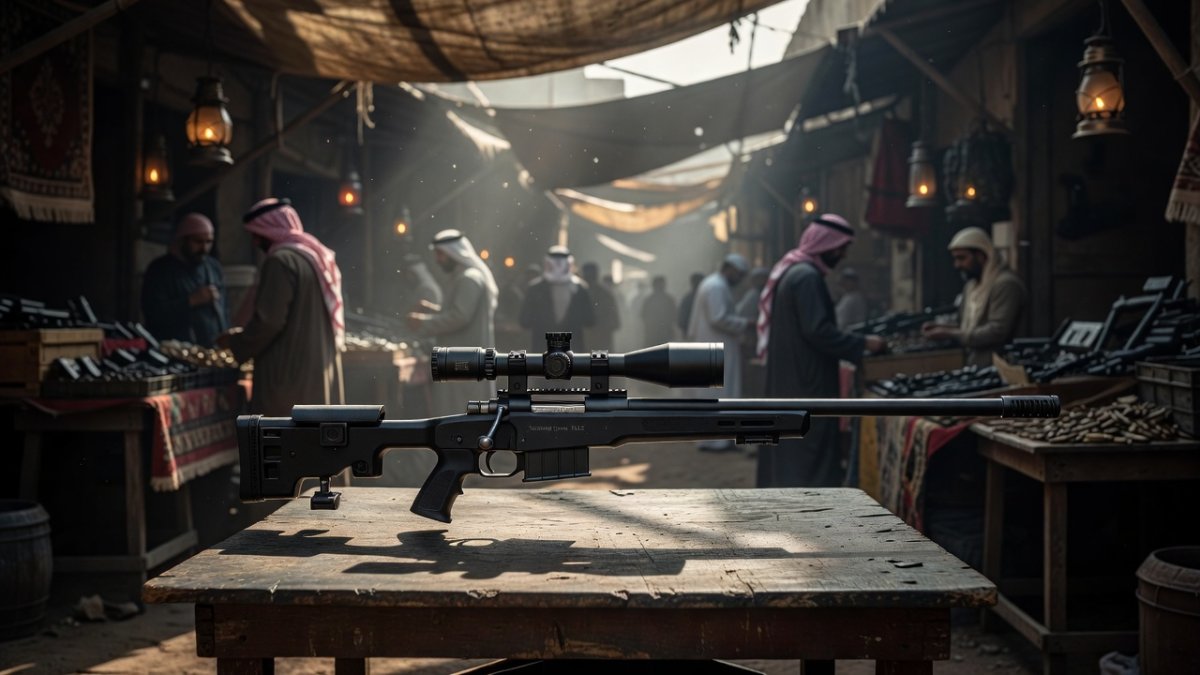
Scope of the CBC Visual Investigation
The CBC News team examined open-source videos and social media posts from June 2024 onward to identify the distinctive features of the Sterling Cross XLCR rifle, including its serial number patterns and stock design. Researchers cross-referenced these images against export records held by Global Affairs Canada. The investigation focused on three embargoed destinations where Canadian policy prohibits arms transfers.
Bellingcat geolocated a June 2024 video from the Jebel Moya region south of Khartoum showing the rifle in use by Rapid Support Forces fighters. Sebastian Vandermeersch of Bellingcat analysed the footage frame by frame, confirming the weapon's Canadian origin. The same methodology was applied to images from Tripoli and Sanaa to establish a consistent pattern of diversion across three separate conflict environments.
Global Affairs Canada maintains an embargo against Sudan with no exceptions permitted under its risk assessment framework. The department requires every export permit application to undergo scrutiny for potential diversion to embargoed end-users. The CBC findings indicate that the 2019-2020 shipments to the United Arab Emirates bypassed these safeguards somewhere along the supply chain.
Sterling Cross posted an Instagram image in March 2019 depicting approximately 80 XLCR rifles undergoing inspection before delivery. This public record aligns with the timing of the 113-rifle export total reported to Parliament. The manufacturer is located in Abbotsford, British Columbia, and operates under federal export licensing rules administered from Ottawa.

Evidence from Sudan's Civil War
A June 2024 video from the Jebel Moya region south of Khartoum shows a young Rapid Support Forces fighter striking a detainee with the stock of a Sterling Cross XLCR rifle. Bellingcat researcher Sebastian Vandermeersch confirmed the weapon's markings and geolocated the footage to the precise location. Sudan's civil war has displaced millions of people over the past three years and created one of the world's most severe humanitarian crises.
Global Affairs Canada first received notification of XLCR rifles in the hands of the Rapid Support Forces in November 2024 through earlier CBC reporting. The department reiterated that its embargo on Sudan allows no exceptions. The June 2024 footage demonstrates continued presence of the rifles two years after the initial export shipments left Canada.
Canadian arms export controls require assessment of whether weapons could contribute to human rights violations. The Rapid Support Forces have been documented committing widespread abuses throughout the conflict, including targeted attacks on civilians. The appearance of the XLCR in this context directly tests the effectiveness of those controls administered by Global Affairs Canada from Ottawa.
"It is one of the most striking examples where we can clearly see the fighter holding the Canadian weapon as he hits the captive, committing clear abuses," Vandermeersch told CBC News.
Libyan Militia Connections and RADA Links
Researcher Wolfram Lacher of the German Institute for International and Security Affairs identified the Judicial Security Apparatus, a spinoff of the Special Deterrence Force known as RADA, operating in Tripoli with the Sterling Cross XLCR. RADA controls Mitiga prison, which has been documented for torture and arbitrary detention. The International Criminal Court has issued arrest warrants against RADA leaders for crimes against humanity.
Canada prohibits arms exports to Libya under its embargo policy. The presence of the XLCR with this militia unit indicates that weapons originally licensed for the United Arab Emirates reached an embargoed destination. Global Affairs Canada maintains that its risk assessment process contains no exceptions for such transfers, yet the weapons appear to have reached Tripoli nonetheless.
Previous Canadian-manufactured equipment has followed similar routes. The Streit Group, a Canadian-owned armoured vehicle manufacturer, was previously implicated in the illicit transfer of equipment to Libyan factions via the United Arab Emirates. The XLCR rifles represent a second documented case involving Canadian defence products reaching the same conflict environment.
Lacher noted that the Special Deterrence Force was involved in fighting in Tripoli in both 2022 and 2025. "This group, the Special Deterrence Force, was involved in these conflicts," he said, describing the area where the weapons appeared.
Yemen's Black Market Arms Bazaar
Arms dealer Ibrahim operates an illicit bazaar from a corner store in Sanaa, Yemen's Houthi-controlled capital, where Sterling Cross XLCR rifles have been advertised on Facebook, Instagram and YouTube. His brother Ahmad stated in a voice memo to a freelance journalist that the weapons cost $12,000 US and that "we smuggle it" into the country. CBC investigators identified the serial number on one displayed rifle matching the exported batch.
Yemen remains under Canadian arms embargo provisions that prohibit transfers to non-state actors. The Sanaa market operates outside any government oversight and supplies multiple factions involved in Yemen's decade-long civil war. The documented presence of the XLCR demonstrates that weapons reached this entirely unregulated channel.
Global Affairs Canada requires exporters to certify that end-users will not retransfer equipment. The 113 rifles shipped to the United Arab Emirates in 2019 and 2020 carried such assurances. The Sanaa footage shows those assurances did not prevent onward movement to the black market.
A serial number on one of the rifles "would allow independent researchers or law enforcement to track when and where a weapon system was diverted," said Kelsey Gallagher of Project Ploughshares, a Canadian peace research institute. CBC shared the serial number with Sterling Cross and Global Affairs Canada but received no explanation for how the weapon reached Yemen.
The United Arab Emirates Route
The United Arab Emirates received 113 Sterling Cross XLCR rifles from Canada in 2019 and 2020 according to official government arms export reports. Expert Emadeddin Badi of the Global Initiative Against Transnational Organized Crime stated that the UAE supports non-state armed groups with documented records of brutality and crimes against humanity across the region.
Canadian policy treats the UAE as a permitted destination for certain defence exports. Once the rifles arrived there, tracking responsibility shifted away from Global Affairs Canada. The subsequent appearance in Sudan, Libya and Yemen indicates that rerouting occurred after arrival in the Emirates.
"The thread that binds these three cases together is that you have UAE support for clients in these conflicts," Lacher said. "These are three cases where the UAE is known to have massively supplied weapons."
Gallagher noted that "if Canada was doing enough then we wouldn't see a pattern of the illicit diversion of Canadian weapons systems in violation of UN arms embargoes." The UAE has previously denied involvement in Sudan and Libya and stated in 2025 it would withdraw its forces from Yemen.
Government Response and Enforcement Questions
Foreign Affairs Minister Anita Anand stated she is "very concerned" about where Canadian weapons are landing and that "it is not acceptable for our permitting process to allow material to end up in conflict-ridden zones." She acknowledged that "there may indeed be contraventions of the permitting process" and indicated that enforcement would fall to the RCMP.
Global Affairs Canada maintains its embargo against Sudan with no exceptions allowed under risk assessment rules. The department reviews every export application for potential diversion risks before issuing permits. The 113 rifles were approved for the UAE under this framework. Subsequent events in Sudan, Libya and Yemen test whether that review was sufficient.
RCMP officers would investigate any suspected violations of the Export and Import Permits Act. No charges have been announced as of this week. The minister's public comments represent the federal government's stated position on the CBC findings, but questions remain about whether any enforcement action is underway.
"I think it requires action from the Government of Canada," Gallagher said in response to the investigation's findings.
Implications for Canadian Arms Export Policy
The documented presence of Sterling Cross XLCR rifles in Sudan, Libya and Yemen demonstrates that 2019-2020 export decisions produced unintended end-users in direct violation of Canadian law and international embargoes. Global Affairs Canada has reiterated its embargo commitments, yet the pattern of diversion persists across multiple conflict zones.
Canadian defence manufacturers operate under federal licences that require compliance with end-use restrictions. The Instagram record from March 2019 shows the scale of the shipment before it left British Columbia. Subsequent diversion occurred entirely outside Canadian jurisdiction, highlighting a gap in the federal government's post-export monitoring capacity.
Canada's international reputation rests in part on consistent application of its arms export controls and respect for international humanitarian law. The CBC findings connect directly to decisions made by cabinet ministers and Global Affairs Canada officials in Ottawa. The three conflict zones involved represent core tests of that consistency on the global stage.
Project Ploughshares and other Canadian research organisations will continue monitoring export outcomes. The 113 rifles shipped to the United Arab Emirates remain the traceable origin point for the documented weapons. This case will inform ongoing parliamentary discussions about strengthening diversion prevention measures and closing the gap between initial licensing and final end-use.
Anand's public acknowledgement that contraventions may have occurred sets the stage for what could become a significant test of Canada's enforcement framework under the Export and Import Permits Act. For Canadian taxpayers who fund the export control system, the question remains whether the mechanisms in place are adequate to prevent Canadian-made weapons from contributing to human rights abuses in conflict zones around the world.
By Alex Thompson, Staff Writer
This article was produced with AI-assisted research and editorial support. Reporting is based on sources cited in the article.
What's Your Reaction?
 Like
0
Like
0
 Dislike
0
Dislike
0
 Love
0
Love
0
 Funny
0
Funny
0
 Wow
0
Wow
0
 Sad
0
Sad
0
 Angry
0
Angry
0

Canada Correspondent at Global1.News. Based in Toronto, covering Canadian politics, energy, trade, and US-Canada relations. Provides the Canadian perspective on North American and global affairs.












Comments (0)