
Cambodian Troops Build Trenches Near Thai Border in Sa Kaeo
Earthworks on the Doorstep: Cambodian Troops Dig In Near Ban Nong Chan In the gentle morning light of Sa Kaeo province, residents of Ban Nong Chan in Khok Sung district have been watching with quiet concern as Cambodian troops operate heavy machinery to dig trenches and build defensive positions right along the Thai-Cambodian border. The sound of diggers echoes across the field
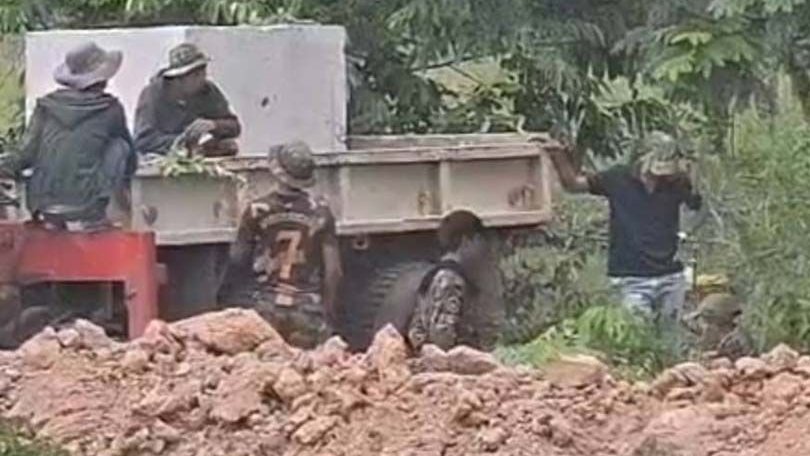
Earthworks on the Doorstep: Cambodian Troops Dig In Near Ban Nong Chan
In the gentle morning light of Sa Kaeo province, residents of Ban Nong Chan in Khok Sung district have been watching with quiet concern as Cambodian troops operate heavy machinery to dig trenches and build defensive positions right along the Thai-Cambodian border. The sound of diggers echoes across the fields, and the earthworks have created field trenches and bunker-like fortifications that sit less than 20 metres from the border fence. From Thai homes and paths, these structures are clearly visible, reminding everyone how close the activity has come to daily life in this border community.
Local people in Ban Nong Chan, Khok Sung district, Sa Kaeo province, speak softly about the machines moving soil and logs for days now. They see the Cambodian forces working steadily, shaping the land into defensive lines that were not there before. The proximity means families tending their gardens or walking to the market can spot the new positions without leaving their own side of the fence. This closeness brings a natural unease, yet the community continues its routines with the same warm hospitality that defines Thai border villages.
The visibility from the Thai side makes the situation feel immediate. Children playing near the fence point out the fresh earth mounds, while elders recall how the area has always required careful attention. Thai security teams have noted the same details, confirming that the trenches and fortifications remain under close watch. Residents appreciate this steady presence, knowing their concerns are heard while life in Ban Nong Chan, Khok Sung district, Sa Kaeo province, carries on with its familiar rhythm of shared meals and neighbourly chats.
From the K-5 Road to the Front Line: A Shift in Position
Cambodian forces had previously reinforced positions deeper inside the K-5 road area, keeping their activities farther from the immediate boundary. Now the fortifications have moved closer to the border, with new trenches and bunkers appearing in plain sight from Ban Nong Chan. This shift in military posture changes the atmosphere for local residents who once felt the activity was contained at a safer distance.
The move from the K-5 road area to spots less than 20 metres from the fence shows a clear change in how Cambodian troops are positioning themselves this week. What was once deeper inside their territory now sits right at the edge, visible to Thai villagers going about their morning tasks. The heavy machinery continues its work, reshaping the landscape in ways that draw attention from both sides of the border.
Thai observers note that this closer placement requires extra vigilance, yet no sudden movements have occurred. The previous reinforcement along the K-5 road area had seemed more contained, but the recent earthworks bring the defensive structures nearer to Thai territory. Residents of Ban Nong Chan understand that such adjustments happen from time to time, and they trust the ongoing patrols to keep the situation steady and peaceful.
Voices from the Village: Unease in Ban Nong Chan
Local residents in Ban Nong Chan express their concern gently, sharing how the sight of Cambodian troops digging trenches and building fortifications affects their sense of calm. Daily life continues, yet people find themselves glancing toward the border fence more often, watching the heavy machinery at work less than 20 metres away. The community remains close-knit, with families discussing the developments over evening meals in the soft light of their homes.
The human dimension comes through in quiet conversations along village paths. Elders remember earlier times when the area required extra care, while younger residents focus on protecting their fields and livestock. Witness accounts describe the steady sound of digging and the clear view of new structures from Thai ground, adding to the shared feeling that the border feels nearer than before.
Despite the unease, Ban Nong Chan keeps its welcoming spirit. Neighbours check on one another, and local leaders listen to every report. The fact that Thai security agencies are conducting patrols helps ease some worries, allowing the village to maintain its routines while staying informed about the Cambodian activity that remains visible from their side of the fence.
A History Written in Stone: Thailand-Cambodia Border Tensions
Ban Nong Chan has long been regarded as a sensitive security area because of past border disputes between Thailand and Cambodia. The community knows its location carries this history, and the current earthworks remind residents of earlier periods when tensions required careful handling by both sides. Thai families here pass down stories of how the border has shaped their lives for generations.
The Preah Vihear temple conflict and the clashes between 2008 and 2011 left lasting memories on both sides, with casualties that no one wishes to repeat. International Court of Justice rulings have helped guide some resolutions, yet the memory of those years still influences how people in Khok Sung district view any new activity near the fence. The present digging of trenches and construction of fortifications less than 20 metres away brings those chapters back into focus.
Even with this background, the people of Ban Nong Chan approach the situation with the steady patience that Thai border communities are known for. They understand that history calls for calm observation rather than alarm, and they appreciate the continued monitoring by Thai agencies that helps prevent any return to earlier difficulties.
Eyes on the Border: Thailand's Security Response
Thai security agencies are continuing to monitor the situation closely, with patrols and surveillance operations running along the border this week. Officials confirm that Cambodian troops have been using heavy machinery to dig trenches and build positions near Ban Nong Chan, yet no clashes or confrontations have been reported as of Monday. This steady oversight reflects Thailand's commitment to peaceful resolution while protecting its sovereignty.
The presence of Thai patrols reassures residents that developments are being watched in real time. Surveillance teams note the exact locations of the new fortifications, including those less than 20 metres from the fence, and share updates with local communities. The approach combines firmness with restraint, allowing daily life to proceed without disruption.
Thailand's response draws on the principle of self-defence under Article 51 of the UN Charter, ensuring that any necessary measures remain measured and lawful. Security officials emphasise that the goal is to maintain peace and order, and the absence of incidents so far shows that this careful strategy is working well for everyone along the border.
The ASEAN Dimension: Regional Stability Concerns
The activity near Ban Nong Chan touches on ASEAN's broader role in keeping the region stable. As a founding member, Thailand values the organisation's ability to encourage dialogue among neighbours, including Cambodia. The current earthworks and defensive positions remind everyone that member states must continue working together to avoid misunderstandings that could affect cross-border trade and daily commerce.
Regional trade routes that connect Thai and Cambodian communities benefit from calm borders. When fortifications move closer to the fence, as they have this week, it naturally raises questions about how ASEAN mechanisms can support peaceful management of such situations. The Five-Point Consensus on Myanmar has shown both the strengths and limits of collective approaches, yet the principle of consultation remains important for Thailand and Cambodia alike.
Border communities like Ban Nong Chan understand that stability supports their livelihoods. Families who cross for markets or family visits hope the monitoring by Thai agencies will help keep relations steady, allowing the gentle flow of goods and friendship to continue without interruption from the visible construction on the other side.
Living with Uncertainty: Daily Life on the Frontier
Border communities adapt with quiet strength when they see military preparations from their windows. In Ban Nong Chan, families have adjusted small routines, such as choosing different paths for evening walks or gathering children a little earlier, while still tending their fields and sharing meals. The psychological weight of watching Cambodian troops dig trenches less than 20 metres away is real, yet the village draws on its deep resilience.
Local officials offer reassurance through regular updates, reminding everyone that Thai patrols are active and the situation is under observation. This steady communication helps reduce anxiety and keeps the community feeling supported. Residents continue to welcome visitors with the same warmth, offering tea and conversation even as they discuss the earthworks visible from their homes.
The resilience of Thai border communities shows in small acts of normalcy. Markets open on time, schools hold classes, and neighbours help one another with harvests. Ban Nong Chan, Khok Sung district, Sa Kaeo province, demonstrates how people can live with uncertainty while holding on to the cultural values of patience, hospitality, and mutual care that define life here.
The Path Forward: What Comes Next for Thai-Cambodian Relations
Continued observation by relevant agencies and local communities remains the priority along the border. As of Monday there had been no reports of clashes, and authorities expect the situation to stay under careful watch rather than escalate. Diplomatic channels and bilateral mechanisms between Thailand and Cambodia provide established ways to discuss any concerns that arise from the new trenches and fortifications.
Thai readers can understand that vigilance does not mean alarm. The heavy machinery activity near Ban Nong Chan is being tracked daily, and the commitment to peaceful management continues. Both countries have long used dialogue to handle border matters, and this approach supports the stability that allows families on both sides to maintain their livelihoods.
What comes next will depend on steady monitoring and open communication. Residents of Ban Nong Chan know their voices are part of the process, and they trust that Thai security teams will keep them informed. The path forward rests on the same gentle determination that has helped the community through earlier times, ensuring that peace and neighbourly relations remain at the heart of border life.
By Ann Srisawat, Staff WriterThis article was produced with AI-assisted research and editorial support. Reporting is based on sources cited in the article.
What's Your Reaction?
 Like
0
Like
0
 Dislike
0
Dislike
0
 Love
0
Love
0
 Funny
0
Funny
0
 Wow
0
Wow
0
 Sad
0
Sad
0
 Angry
0
Angry
0

Southeast Asia Correspondent at Global1.News. Based in Bangkok, covering Thai and Southeast Asian politics, economy, technology, and culture. Deep regional perspective on one of the world's most dynamic regions.














Comments (0)