
Shooting at Detroit after-hours strip club leaves 3 dead, 4 injured
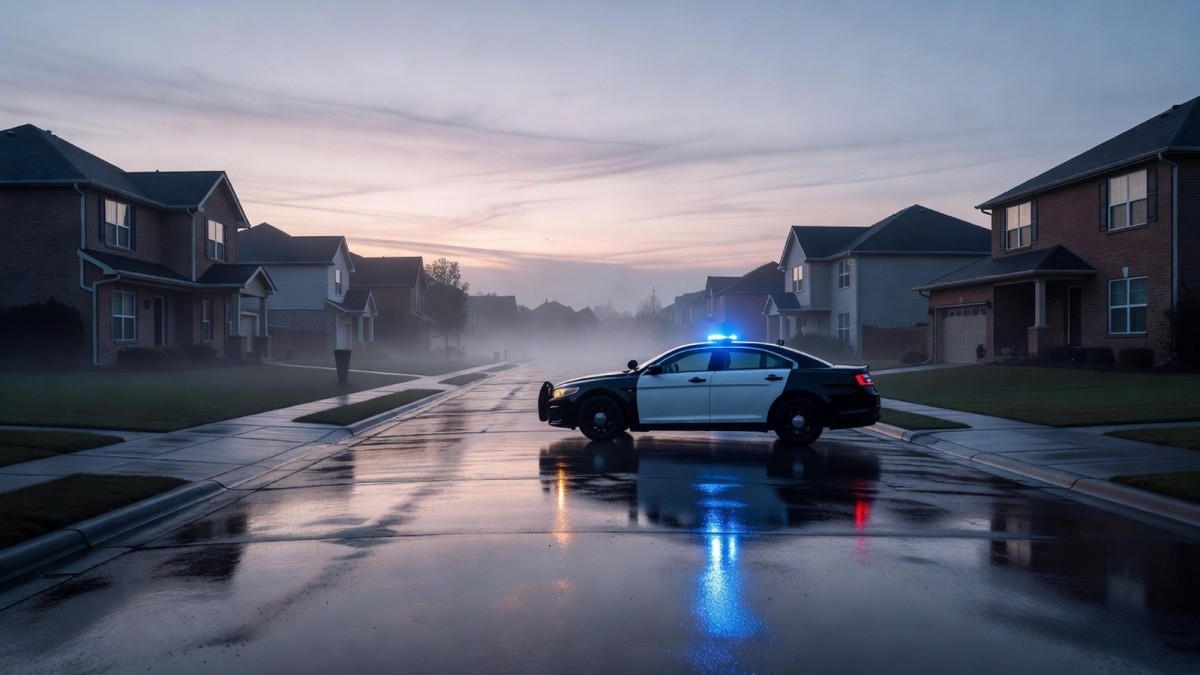
Police officials in Detroit confirmed that an early‑morning argument escalated into a fatal shooting at an after‑hours strip club on a largely residential street on Sunday.

Police officials in Detroit confirmed that an early‑morning argument escalated into a fatal shooting at an after‑hours strip club on a largely residential street on Sunday. The incident, which occurred at 7:21 a.m., left three men dead and injured four other individuals—two men and two women—who were transported to nearby hospitals in private vehicles. Detroit Police Chief Todd Bettison briefed reporters on the scene, noting that all victims appeared to be in their twenties or thirties.
Chronology of the shooting
The first responders arrived at the location shortly after the 7:21 a.m. call. According to Chief Bettison, officers discovered three male victims who had been fatally shot. The precise nature of the argument that precipitated the gunfire was not disclosed, but the police indicated that the dispute quickly turned violent, prompting the use of firearms.
Following the discovery of the bodies, paramedics and private motorists transported four additional victims—two men and two women—to area hospitals. Chief Bettison emphasized that, at the time of the briefing, none of the injured were believed to be facing life‑threatening conditions. The victims’ ages, he added, were generally within the 20‑ to 30‑year range, suggesting a demographic profile typical of patrons of after‑hours entertainment venues.
Location and community context
The shooting took place on a street that is primarily residential, a factor that heightened community concern. Detroit’s urban layout includes pockets where nightlife establishments sit adjacent to family homes, creating a delicate balance between commercial activity and neighborhood tranquility. When violent incidents occur in such settings, the impact reverberates beyond the immediate victims, affecting local residents who may already be wary of crime in their vicinity.
Detroit has long grappled with challenges related to gun violence, particularly in neighborhoods where socioeconomic pressures intersect with illicit activity. While the city has implemented various policing strategies over the years, incidents like this underscore the persistent difficulty of preventing spontaneous escalations that result in loss of life.
Police response and investigative steps
Chief Bettison’s briefing highlighted the rapid deployment of police units to the scene. Standard procedure in Detroit involves securing the area, providing immediate medical assistance, and initiating a forensic sweep to collect ballistic evidence. Although the police have not released details about the weapon used, the typical investigative process would include tracing any recovered firearms to registered owners or illegal markets.
The department’s next steps likely involve canvassing the neighborhood for witnesses, reviewing any available surveillance footage from nearby businesses, and cross‑referencing the victims’ identities with known criminal or gang affiliations. Such investigative avenues are crucial for establishing motive and identifying any potential suspects who may have fled the scene.
Impact on the victims’ families
The loss of three young men in a single incident is a profound tragedy for their families and close circles. In Detroit, community support networks often mobilize quickly, offering counseling services, financial assistance, and public vigils. While the police have not disclosed the names of the deceased, the age range suggests that the victims were likely at early stages of their professional or personal lives, amplifying the sense of loss.
For the injured parties—two men and two women—the physical recovery will be accompanied by psychological trauma. Studies on gun violence in the United States indicate that survivors frequently experience long‑term mental health effects, including post‑traumatic stress disorder. Local hospitals and community organizations typically provide referrals to mental health professionals to address these needs.
Legal and policy implications
This incident arrives at a time when Detroit’s city council and state legislators are debating tighter gun control measures. While the shooting itself does not directly influence legislative outcomes, high‑profile events often shape public opinion and can accelerate policy discussions. Proposals under consideration include expanded background checks, restrictions on certain firearm accessories, and increased funding for community policing initiatives.
Furthermore, the location of the shooting—a venue operating after regular hours—raises questions about licensing and regulatory oversight. Municipal authorities may review permitting processes for such establishments, evaluating whether additional security requirements or operating hour restrictions could mitigate future risks.
Broader trends in urban nightlife safety
Violent incidents in nightlife districts are not unique to Detroit. Across major U.S. cities, after‑hours venues have occasionally become flashpoints for conflict, often stemming from disputes over personal matters, territorial control, or illicit transactions. Researchers have noted that the convergence of alcohol consumption, late‑night crowds, and limited lighting can create environments where arguments rapidly deteriorate.
In response, some cities have introduced “safe zone” initiatives, deploying additional police patrols during peak hours and encouraging venue owners to adopt robust security protocols, such as ID verification, bouncer training, and surveillance systems. While Detroit’s specific policies in this regard were not detailed in the briefing, the city’s ongoing efforts to curb gun violence suggest a potential alignment with such preventive strategies.
Community reaction and next steps
Residents in the affected neighborhood expressed shock and sorrow following the news. Community leaders often call for calm while urging authorities to bring those responsible to justice. In similar past incidents, Detroit’s civic groups have organized town hall meetings to discuss safety concerns and to foster dialogue between law enforcement and citizens.
As the investigation proceeds, the police have asked anyone with information to come forward, emphasizing the importance of community cooperation in solving violent crimes. The ongoing medical care for the injured, coupled with support for the bereaved families, will likely remain a focal point for local charities and volunteer groups in the weeks ahead.
This article was produced with AI-assisted research and editorial support. Reporting is based on the source material cited below. Sources: South China Morning Post; scmp.com; Global1.News (28 September 2026).
By Kenji Tanaka, Staff Writer
What's Your Reaction?
 Like
0
Like
0
 Dislike
0
Dislike
0
 Love
0
Love
0
 Funny
0
Funny
0
 Wow
0
Wow
0
 Sad
0
Sad
0
 Angry
0
Angry
0

Japan Correspondent at Global1.News. Tokyo-based voice covering Japanese politics, technology, economy, and culture. Tracks the intersection of tradition and innovation in one of the world's most dynamic societies.













Comments (0)