
Bank of Japan Signals Path Toward Further Rate Increases
Bank of Japan Signals Path Toward Further Rate Increases BOJ's Ongoing Normalization of Monetary Policy The Bank of Japan has followed a gradual approach to adjusting interest rates since exiting its negative rate policy. Known prior adjustments include the March 2024 decision and the January 2025 move, both of which marked steps away from prolonged ultra-loose conditions. Thes
BOJ's Ongoing Normalization of Monetary Policy
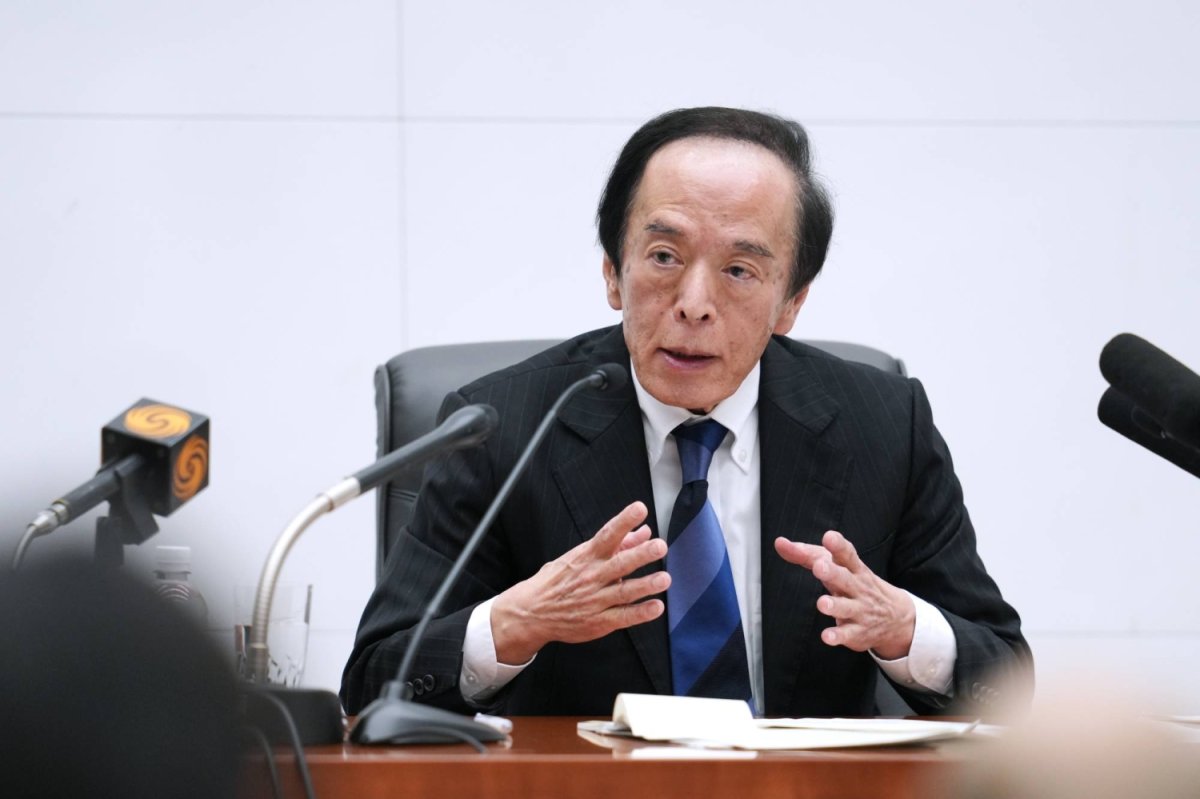
The Bank of Japan has followed a gradual approach to adjusting interest rates since exiting its negative rate policy. Known prior adjustments include the March 2024 decision and the January 2025 move, both of which marked steps away from prolonged ultra-loose conditions. These changes occurred against a backdrop of shifting global central bank actions and domestic economic data. Governor Kazuo Ueda's comments on June 3, 2026, at a forum in Tokyo reinforce the view that additional increases remain under consideration as part of this measured sequence.
Ueda's Remarks and Timing Considerations for June
Ueda stated that the central bank needs to keep raising rates to contain inflation. The remarks, delivered at the Tokyo forum, point to a meaningful possibility of action during the BOJ's policy meeting scheduled for later in June 2026. No specific magnitude or exact timing beyond the current month was detailed in the statement. This cautious phrasing aligns with the BOJ's established practice of signaling direction without committing to immediate outcomes, allowing data releases between now and the meeting to influence the final assessment.
Inflation Trends and Domestic Price Pressures
Japan's consumer price index has shown sustained upward movement in recent years, driven by energy costs, imported goods, and gradual wage growth. The BOJ has monitored core inflation measures that exclude fresh food and energy to assess underlying trends. Ueda's emphasis on containing inflation reflects ongoing concerns that price increases could become embedded if policy accommodation remains too extensive. Japanese households have faced higher costs for daily essentials, while businesses have adjusted pricing strategies in response to input cost rises. These patterns continue to shape the central bank's inflation outlook without yet reaching levels that would prompt aggressive tightening.
Effects on Japanese Households and Businesses
Higher policy rates would raise borrowing costs for mortgages, consumer loans, and corporate financing. Many Japanese households carry variable-rate housing loans, making monthly payments sensitive to even modest increases. Small and medium-sized enterprises, which form the backbone of the domestic economy, often rely on bank lending for operations and expansion. At the same time, savers and pension recipients could see modest improvements in deposit returns over time. The transition from an extended period of near-zero rates requires careful calibration to avoid disrupting consumption and investment patterns that have adapted to low-rate conditions.
Market Reactions and Financial Sector Implications
Financial markets typically respond to BOJ communications with adjustments in bond yields, equity valuations, and currency movements. A June rate hike would likely influence the yen's exchange rate against major currencies and affect carry-trade strategies that have benefited from interest rate differentials. Japanese banks and insurers hold large portfolios of government bonds, so shifts in the yield curve could alter their profitability and risk management. Market participants have already priced in varying probabilities of near-term action following Ueda's forum appearance, creating volatility in advance of the formal policy announcement.
Broader Economic Context and Policy Outlook
Japan's economy continues to navigate post-pandemic recovery, demographic challenges, and external demand fluctuations. The BOJ's rate normalization path intersects with fiscal policy decisions and structural reforms aimed at boosting productivity and labor participation. Wage negotiations between unions and employers remain a key variable that could either support or complicate inflation control efforts. While the June meeting represents one decision point, subsequent data on growth, prices, and global conditions will guide further steps. The central bank's approach prioritizes avoiding abrupt shifts that could undermine the stability achieved during the low-rate era.
By Kenji Tanaka, Staff WriterThis article was produced with AI-assisted research and editorial support. Reporting is based on sources cited in the article.
What's Your Reaction?
 Like
0
Like
0
 Dislike
0
Dislike
0
 Love
0
Love
0
 Funny
0
Funny
0
 Wow
0
Wow
0
 Sad
0
Sad
0
 Angry
0
Angry
0

Japan Correspondent at Global1.News. Tokyo-based voice covering Japanese politics, technology, economy, and culture. Tracks the intersection of tradition and innovation in one of the world's most dynamic societies.















Comments (0)