
A long and costly road: Pinoy PTSD patients pulling through a precarious path
The Sleepless Nights of Juan Miguel Antonio Juan Miguel Antonio, whose name has been changed to protect his privacy, wakes up most nights with his heart racing after another vivid nightmare. At just 21 years old, he has lived with post-traumatic stress disorder for years, a condition rooted in childhood abuse that his family once refused to acknowledge. In the quiet hours aroun
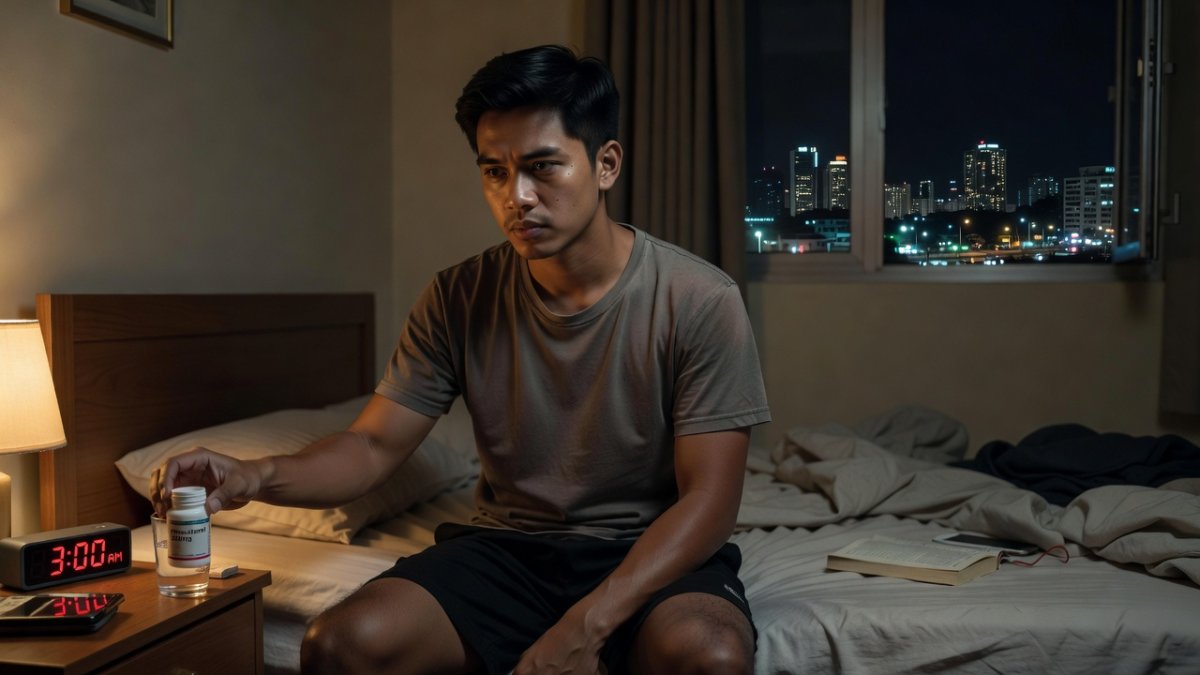
The Sleepless Nights of Juan Miguel Antonio
Juan Miguel Antonio, whose name has been changed to protect his privacy, wakes up most nights with his heart racing after another vivid nightmare. At just 21 years old, he has lived with post-traumatic stress disorder for years, a condition rooted in childhood abuse that his family once refused to acknowledge. In the quiet hours around 3 a.m., the sound of imagined footsteps and a gunshot jolts him awake, leaving him gasping and reaching for the alprazolam and propranolol he keeps by his bed.
These episodes are not rare. They repeat with a cruel regularity that disrupts his rest and daily life. After swallowing the white pill and the pink tablet without water, Antonio waits about fifteen minutes for his heartbeat to settle. Only then can he begin to calm down enough to face the possibility of sleep returning. His story reflects the quiet battles many young Filipinos endure in silence, far from the bustling streets of Manila or the tight-knit barangays where neighbors once shared stories over coffee at the sari-sari store.
Antonio's journey to professional help came only in 2025 after persistent efforts to convince his parents that mental health care mattered. Even after his diagnosis in June of the previous year, the road has remained steep. The medications prescribed by his psychiatrist at De La Salle University Medical Center often require long trips, and stock shortages add another layer of worry to an already heavy load.
Stigma and Delayed Care in Filipino Families
Many households across the Philippines still view psychiatrists and psychologists with suspicion, preferring to handle emotional pain within the family circle. Antonio's parents were no different, dismissing his need for therapy until he reached adulthood. This cultural hesitation means countless young people carry the weight of trauma alone, their conditions worsening before any outside help arrives.
The emotional, physical, and sexual abuse Antonio suffered as a child continued into his adult years through insults and emotional withholding. Such patterns are sadly familiar in some communities where open conversations about mental health remain rare. The result is a generation of students and young workers who hide their struggles behind smiles during fiestas or family gatherings, afraid that seeking help might bring shame to their kapitbahay.
By the time Antonio secured his diagnosis, years of untreated symptoms had already shaped his daily routines. He now balances work or studies with the constant need to monitor his medication supply, a burden that falls heavily on families already stretched by economic pressures common in many provinces.
Regulated Medications and the Search for Reliable Supply
Psychiatric drugs like alprazolam fall under Food and Drug Administration rules as regulated or dangerous drugs, meaning they cannot be bought freely over the counter. Venella Angeles, a Manila pharmacist with seven years of experience, explains that customers must follow strict procedures, which can turn a simple errand into an exhausting process. Antonio sometimes travels thirty minutes only to find the pharmacy out of the more affordable options.
The FDA notes that alprazolam carries risks of abuse and diversion, especially when mixed with other substances. Patients are advised to receive close monitoring. Abruptly stopping the medication without guidance can lead to withdrawal symptoms or even seizures, adding another layer of caution for those already managing anxiety. Sertraline, the antidepressant also prescribed to Antonio, comes with its own set of considerations, including possible side effects and the need for careful oversight in younger patients.
These rules exist to protect the public, yet they create practical hurdles for individuals like Antonio who live far from specialized medical centers. In rural areas or smaller towns, access becomes even more limited, forcing families to coordinate with relatives in the city or rely on occasional trips that strain household budgets.
The Pandemic's Lasting Mark on Mental Wellness
Venella Angeles has watched demand for antidepressants rise sharply since the height of the Covid-19 pandemic. Her store in Manila sees between five and ten customers daily seeking these medications, many of them students. The global surge in anxiety and depression cases, noted by the World Health Organization at twenty-five percent in the first pandemic year, mirrored trends here at home.
Market figures show the antidepressants sector growing from 17.33 billion dollars in 2024 to a projected 17.9 billion dollars the following year. For ordinary Filipinos, this growth translates into longer lines at pharmacies and occasional shortages that hit students and low-income workers hardest. The pandemic disrupted not only jobs but also the informal support networks that once helped neighbors cope during tough times.
Young adults like Antonio, already carrying childhood trauma, found their symptoms intensified by isolation and uncertainty. The shift to remote learning and limited social contact left many without the everyday interactions that once offered relief, from tricycle rides to shared meals in the barangay hall.
Community Strength and the Path Forward
Filipino resilience often shows through bayanihan, the spirit of communal help that brings neighbors together during crises. For mental health challenges, this same spirit could mean local government units and barangay captains working with health centers to improve awareness and reduce stigma. While national agencies like the Department of Health continue their efforts, real change often begins at the grassroots level where families feel most supported.
Students and young professionals who rely on medications such as those Antonio uses deserve reliable access without exhausting journeys or repeated stock checks. Pharmacists like Venella Angeles stand ready to guide patients, yet broader coordination with schools and workplaces could ease the load. The experiences shared by Antonio highlight how untreated PTSD affects not only the individual but also their ability to contribute to family and community life.
As more Filipinos recognize the importance of mental wellness, conversations in homes and sari-sari stores may gradually open up. This shift could help future generations seek care earlier, turning the long and costly road into one traveled with greater support from kapitbahay and local leaders alike.
The stories of patients navigating regulated medications remind us that behind every prescription lies a person striving for stability. With continued attention to both regulation and community care, the path for those living with PTSD can become less precarious over time.
By Bella Reyes, Staff WriterThis article was produced with AI-assisted research and editorial support. Reporting is based on sources cited in the article.
What's Your Reaction?
 Like
0
Like
0
 Dislike
0
Dislike
0
 Love
0
Love
0
 Funny
0
Funny
0
 Wow
0
Wow
0
 Sad
0
Sad
0
 Angry
0
Angry
0

Philippines/Southeast Asia Correspondent at Global1.News. Manila-based journalist covering Philippine politics, environment, maritime security, and social issues. Passionate about marine conservation and the communities protecting the Philippines' natural heritage.











Comments (0)