
Venezuela Demands Compensation as Gulf of Paria Oil Spill Row Escalates
The row over an oil spill in the Gulf of Paria has escalated sharply after Venezuela's Foreign Minister Yván Gil went public on May 12 demanding compensation from Trinidad. Heritage Petroleum detected the spill at its Main Field on May 1 at 7:25am, estimating around 10 barrels before stopping the leak the same day. Satellite images dated April 28 already showed a slick originat
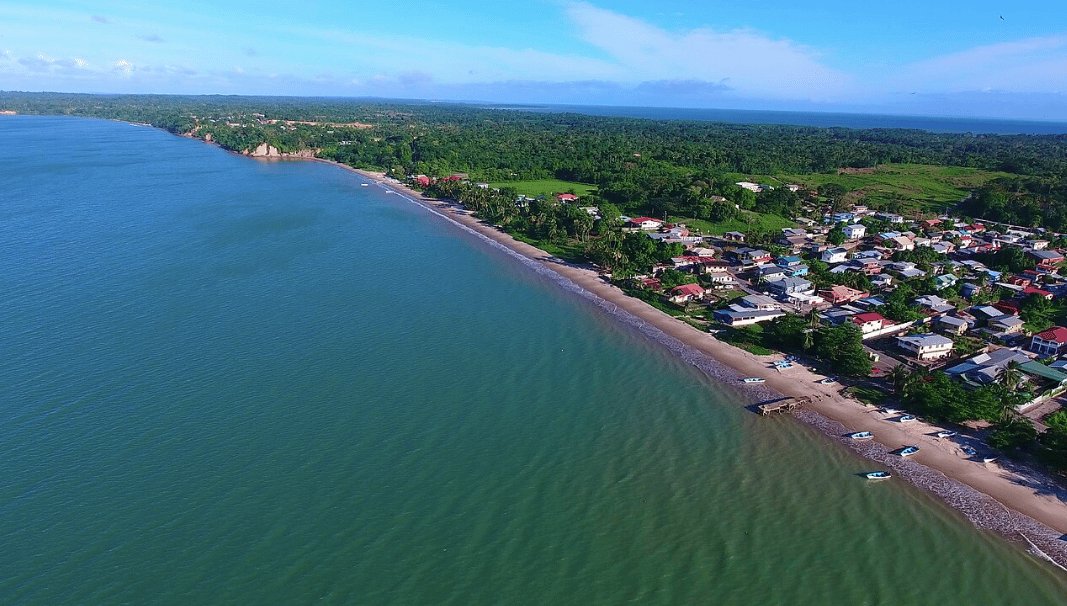
The row over an oil spill in the Gulf of Paria has escalated sharply after Venezuela's Foreign Minister Yván Gil went public on May 12 demanding compensation from Trinidad. Heritage Petroleum detected the spill at its Main Field on May 1 at 7:25am, estimating around 10 barrels before stopping the leak the same day. Satellite images dated April 28 already showed a slick originating from Trinidad waters, and chemical dispersants were applied 6-8 nautical miles from the maritime border. Acting President Delcy Rodríguez has now deployed a team to assess damage across 1,625 square kilometres that includes 12 wetlands, four national parks and the livelihoods of more than 500 fishermen. In our small Caribbean corner, news like this travels fast through fishing villages and energy offices alike, stirring quiet worry about what comes next for families who depend on these shared waters every single day.
Neighbours on both sides of the Gulf have long understood that any incident here affects everyone, yet the public call for compensation marks a new level of tension. The spill itself was contained quickly according to the detection report, but the timing of the satellite evidence and the scale of the affected zone have kept the story alive. Communities in Trinidad listen closely when Venezuela speaks on these matters because the Gulf of Paria has always been more than a line on a map; it is a living connection between people who fish, work and raise children along its shores. With the demand now on the table, attention turns to how both nations will manage the aftermath while keeping everyday life steady for those most exposed.
The May 1 Spill: Detection to Containment
Heritage Petroleum picked up the spill at the Main Field in the Gulf of Paria on May 1 at 7:25am and placed the volume at roughly 10 barrels. The company moved at once to halt the leak, completing that task on the same day. Such rapid detection and shutdown are the kind of details that matter when families on both coasts wake up to reports of oil in the water. In Trinidad we know the Gulf well enough to understand that even a contained release can leave people checking their nets and boats for signs of trouble long after the official all-clear.
Chemical dispersants were used in the response, applied at a distance of 6-8 nautical miles from the maritime border. Satellite images from April 28 had already captured a slick that appeared to originate from Trinidad waters, giving the incident a longer timeline than the May 1 detection alone suggests. The combination of these facts has left room for questions about how the spill behaved before it was officially logged. For fishing communities that rely on the same stretch of sea, the sequence from first image to final containment shapes how much trust they place in future safety assurances.
Venezuela Pushes for Answers
Venezuela’s Foreign Minister Yván Gil made the demand for compensation public on May 12, turning a technical incident into a diplomatic matter. Acting President Delcy Rodríguez responded by sending a team to evaluate the reach of the spill across 1,625 square kilometres. That move signals how seriously Caracas views the possible effects on its side of the border. In Trinidad the news lands with a familiar mix of concern and curiosity, because any compensation discussion will eventually touch the daily routines of people who cross or work near that same maritime line.
The call for payment arrives against the backdrop of satellite evidence from April 28 and the use of dispersants close to the boundary. These elements give Venezuela concrete points to raise when it asks for accountability. Local voices in Trinidad understand that such rows rarely stay only at the government level; they filter down to fishermen who wonder whether their catches will be questioned at market and to workers who keep the energy fields running. The public nature of the demand has therefore placed the spill squarely in the centre of regional conversation.
The Ecological Cost to Shared Waters
The spill’s reported footprint covers 1,625 square kilometres and touches 12 wetlands plus four national parks. These are not abstract numbers when the Gulf of Paria supports the same marine life that feeds households on both the Trinidad and Venezuelan coasts. Chemical dispersants applied 6-8 nautical miles from the border add another layer to the environmental picture, because their reach can extend beyond the initial slick. Families who have lived beside these waters for generations recognise that damage to wetlands and parks eventually circles back to the food on their tables.
Satellite images from April 28 already traced the slick to Trinidad waters, showing that the event had a visible presence before the May 1 detection. Even after the leak was stopped the same day, the scale of the affected zone keeps the ecological question alive. In our community-minded way of seeing things, the health of the Gulf is measured not only in barrels contained but in the continued ability of wetlands and parks to sustain the fish and birds that local people have always depended upon. The current row therefore carries weight far beyond the immediate cleanup.
Energy Sector Under the Spotlight
Heritage Petroleum’s Main Field operation sits at the heart of the story, with detection logged at 7:25am on May 1 and the leak brought under control the same day. The 10-barrel estimate and the subsequent use of dispersants place the company’s response in full view of both governments. Energy workers in Trinidad know that any incident at these fields can shift how regulators and neighbours view day-to-day operations. The public demand for compensation now adds external pressure that the sector must address while continuing production.
The April 28 satellite images linking the slick to Trinidad waters extend the timeline that energy planners must consider. When Venezuela’s Foreign Minister speaks on May 12 and Acting President Rodríguez sends a team, the message reaches every operator along the shared boundary. In a region where energy and community life sit close together, the spill has become a reminder that technical containment alone does not settle every question. The sector therefore faces renewed scrutiny over how it prevents similar events and how it communicates with the people whose livelihoods sit alongside the platforms.
Regional Cooperation Put to the Test
The Gulf of Paria has always required quiet coordination between Trinidad and Venezuela, yet the May 12 compensation demand has brought that cooperation into sharper focus. With 1,625 square kilometres under review and more than 500 fishermen potentially affected, both sides must decide how to share information and next steps. The dispersants used 6-8 nautical miles from the border and the earlier satellite evidence create practical points that any joint discussion will need to cover. Neighbours who fish the same waters understand that cooperation works best when it prevents small incidents from growing into larger disputes.
Acting President Delcy Rodríguez’s decision to deploy a team shows Venezuela’s intent to gather its own data. Trinidad, for its part, holds the detection record from Heritage Petroleum and the containment timeline. These separate records now sit side by side as the two countries weigh the compensation request. In the warm, conversational way we handle such matters locally, people hope that steady dialogue will keep the focus on protecting the Gulf rather than letting the row widen. The coming weeks will show whether that hope holds.
What This Means for Caribbean Families
More than 500 fishermen stand directly in the path of any lasting effects from the spill that reached 1,625 square kilometres of shared waters. When Venezuela calls for compensation on May 12, those families listen because their income and their children’s futures rest on the health of the Gulf. The April 28 satellite images and the May 1 detection at 7:25am together paint a picture that reaches beyond government offices into kitchens and boat yards on both coasts. In Trinidad we talk about these things at the market or the jetty, because the sea is never far from daily conversation.
The quick containment on the same day and the use of dispersants 6-8 nautical miles from the border offer some reassurance, yet the scale of wetlands and parks involved keeps concern alive. Families who have relied on these waters for generations know that compensation talks can stretch on while nets stay dry. The row therefore tests not only diplomats but the quiet resilience of communities that have always found ways to adapt. As the story develops, the hope remains that the needs of those 500-plus fishermen and their neighbours will stay at the centre of every decision.
By Sharon Sahatoo, Staff WriterThis article was produced with AI-assisted research and editorial support. Reporting is based on sources cited in the article.
What's Your Reaction?
 Like
0
Like
0
 Dislike
0
Dislike
0
 Love
0
Love
0
 Funny
0
Funny
0
 Wow
0
Wow
0
 Sad
0
Sad
0
 Angry
0
Angry
0

Caribbean Correspondent at Global1.News. Based in Port of Spain, Trinidad, covering Caribbean politics, economy, energy, climate, and culture. Amplifying the voices and stories of the Caribbean region.












Comments (0)