
Twins Marry Twins: A Joyous Yoruba Joint Wedding in Ibadan
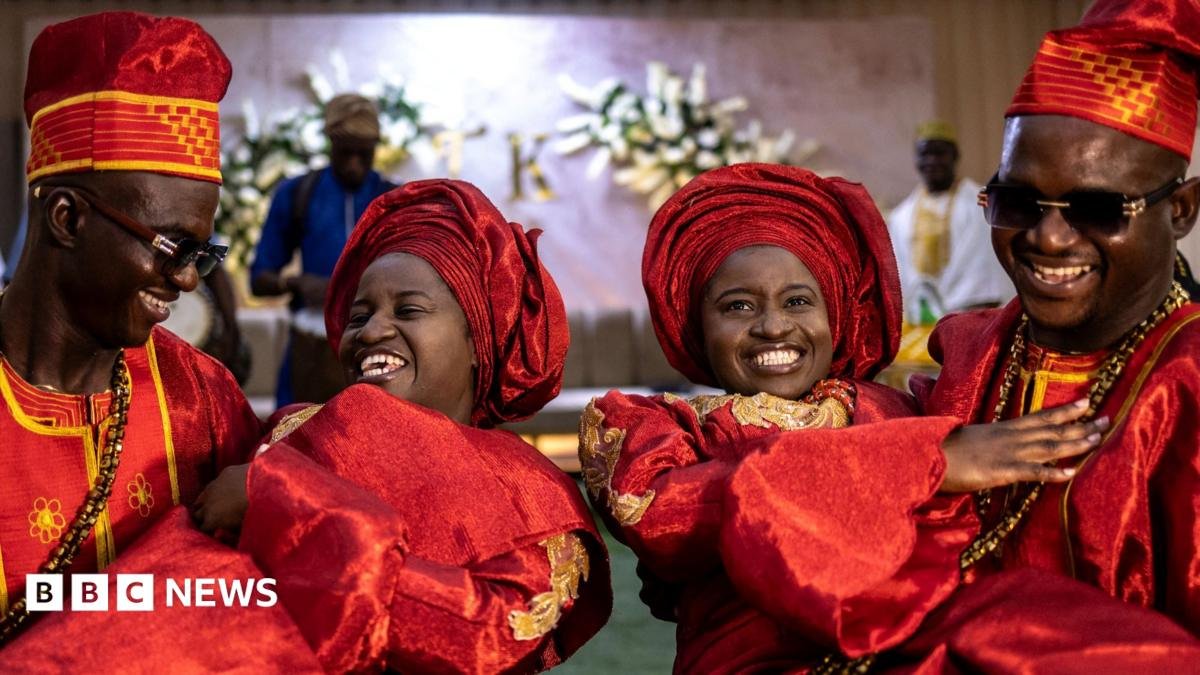
The Joyous Gathering in Ibadan The sun filtered through the stained-glass windows of the modest yet elegant church in Ibadan, casting warm patterns of gold and crimson across the pews. Guests filled every seat and spilled into the aisles, their colorful aso oke and lace fabrics creating a living tapestry of celebration. At the altar stood two pairs of twins: brothers Taiwo and
The Joyous Gathering in Ibadan
The sun filtered through the stained-glass windows of the modest yet elegant church in Ibadan, casting warm patterns of gold and crimson across the pews. Guests filled every seat and spilled into the aisles, their colorful aso oke and lace fabrics creating a living tapestry of celebration. At the altar stood two pairs of twins: brothers Taiwo and Kehinde Oguntoye beside sisters Taiwo and Kehinde Adediran. The air hummed with anticipation and the soft hum of Yoruba hymns. Cameras clicked as family members wiped away tears of pride. This was no ordinary wedding; it was a rare convergence of destinies that felt almost predestined. The fragrance of fresh flowers mingled with the earthy scent of the surrounding Ibadan hills, grounding the moment in the heart of south-west Nigeria. As the couples exchanged vows, laughter rippled through the congregation, a sound that spoke of blessings long awaited. In that sacred space, the ordinary rules of romance seemed to bend toward something profoundly cultural and spiritual.
Outside, the streets of Ibadan buzzed with the usual weekend energy, but inside the church, time slowed. Elders nodded knowingly, whispering about the rarity of such unions. Children peeked from behind their mothers' wrappers, eyes wide at the sight of four people who mirrored each other so perfectly. The ceremony unfolded with traditional elements blended into the Christian service, a nod to the deep roots that nourished this love. By the time the final prayer was offered, the entire gathering felt like a collective exhale of joy, a moment that would echo in family stories for generations.
Yoruba Twin Traditions and Their Sacred Names
In Yoruba land, twins carry a weight of spiritual significance that stretches back centuries. They are seen as harbingers of good fortune, a double blessing from the divine that enriches the entire community. The names given to them are not chosen lightly; they reflect an ancient understanding of birth order and destiny. Taiwo, meaning the one who comes first to test the world, arrives as the explorer, while Kehinde, the one who follows, brings balance and wisdom. These names are predestined, whispered by ancestors and embraced without question. High twin birth rates among the Yoruba have long fascinated researchers, yet for families, the arrival of twins is simply a cause for gratitude and careful nurturing.
Twins often share a special bond that outsiders struggle to comprehend. They are believed to possess shared souls, and rituals around their upbringing emphasize harmony and protection. In many households, twins receive identical treatment and gifts, reinforcing their unity. This cultural reverence extends to festivals and storytelling, where twins appear as symbols of abundance. The Oguntoye and Adediran families embody this heritage fully, their names serving as constant reminders of the path already laid before them. Such traditions remind us that identity in Yoruba culture is communal, woven into the fabric of family and lineage rather than isolated individuality.

A Decade of Friendship Blossoming into Love
The love story between the Oguntoye brothers and Adediran sisters began quietly at the University of Ibadan more than ten years ago. A lecturer who knew both sets of twins suggested an introduction, sparking curiosity in the young men. Taiwo Oguntoye later recalled the moment with warmth: We know many twins, but this marriage feels like it was arranged by God. We have always dreamed of marrying twins. Initial meetings were tentative. The sisters, focused on their studies, resisted the lecturer's calls at first. When the four finally sat down together, conversation flowed easily, yet romance did not spark immediately. Instead, a deep friendship took root, one that survived separations and life changes.
Years passed as the sisters pursued further studies abroad and the brothers traveled for work across the United States and South Africa. Distance tested their connection, but fate intervened when the brothers reached out again. Taiwo Oguntoye shared his memories of those early days: It is not that we have not met other twin sisters before. We did date some, but sometimes things just did not work out. Over time, skepticism gave way to undeniable affection. Families embraced the pairings wholeheartedly. Taiwo remembered the instant bond with his in-laws: Everyone was so happy to see us, it felt like we had known them all our lives. We were treated like sons in our own father's house. What began as friendship evolved into a partnership rooted in shared values and cultural understanding, proving that true connection often grows slowly, like the sturdy iroko tree.
A Ceremony of Coordinated Elegance and Twin Guests
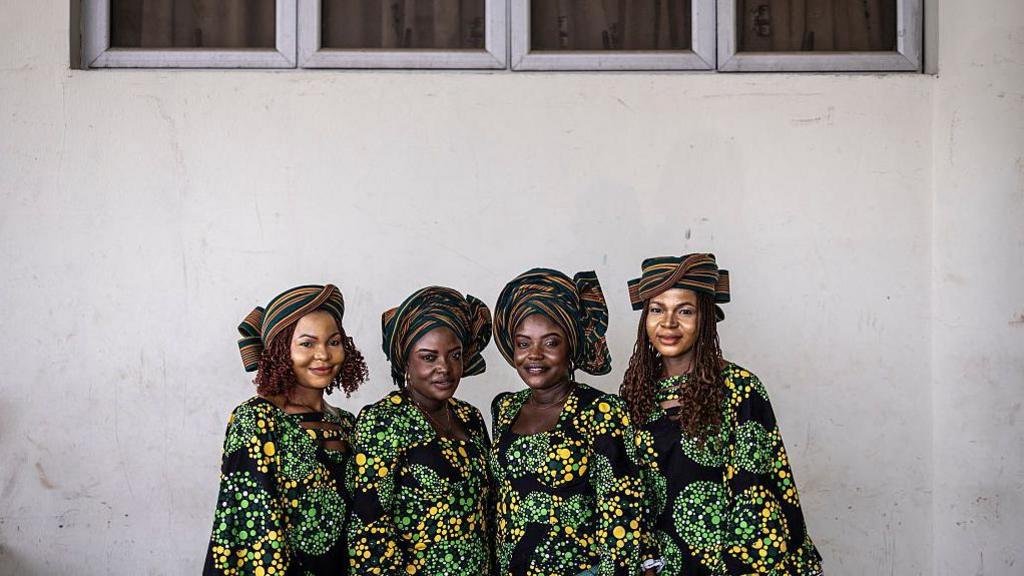
On the wedding day, the church glowed with coordinated beauty. The grooms wore matching agbada in deep indigo and gold embroidery, while the brides shone in identical lace gowns adorned with coral beads that caught the light. The sisters, identical twins, moved with graceful synchronicity, their smiles mirroring each other perfectly. Several other pairs of twins attended as honored guests, a testament to the Oguntoye brothers' prominence in local twin circles. The ceremony blended Christian vows with subtle Yoruba elements, including prayers for fertility and family unity. As rings were exchanged, the congregation erupted in applause, the sound echoing off the church walls like distant thunder.
Family members from both sides filled the front rows, their faces alight with pride. The fraternal nature of the Oguntoye twins contrasted gently with the identical Adediran sisters, creating a visual harmony that delighted photographers. Kehinde Oguntoye noted later how even relatives sometimes confused the brides, yet the couples never faltered in recognizing their own partners. The reception that followed featured traditional drumming and dancing, with guests joining in joyful circles that celebrated not just marriage but the continuity of twin blessings. Every detail, from the menu of jollof rice and pounded yam to the heartfelt speeches, reflected the grounded warmth of Ibadan hospitality.
The Oguntoye Twins and Their Cultural Initiatives
Beyond their personal milestone, Taiwo and Kehinde Oguntoye have dedicated years to promoting twin culture and tourism in Nigeria. Known locally as the Oguntoye Twins, they organize events that highlight the spiritual and social importance of twins in Yoruba society. Their work includes community festivals, educational programs, and tourism initiatives that draw visitors eager to learn about these traditions. By sharing stories and hosting gatherings, they strengthen bonds within the twin community and introduce outsiders to the richness of south-west Nigerian heritage.
Their efforts extend to preserving oral histories and supporting families with twins through mentorship. This cultural work has made them respected figures, which explains the presence of so many twin guests at the wedding. Through their initiatives, the brothers bridge generations, ensuring that ancient beliefs about twins as blessings remain vibrant in modern times. Their commitment reflects a broader African ethos of honoring ancestry while building community pride, turning personal identity into a platform for collective celebration.
Shared Twin Traditions Across West Africa
The reverence for twins is not unique to Yoruba land; it echoes across West Africa, creating threads of connection between nations like Nigeria and Senegal. In my homeland of Senegal, twins hold a similar place of honor among many ethnic groups, including the Wolof and Serer peoples. They are viewed as special gifts from the ancestors, often celebrated with rituals that emphasize protection and unity. The Yoruba term ibeji finds parallels in other languages, reminding us of our shared cultural soil nourished by centuries of trade, migration, and storytelling along the West African coast.
These traditions foster a sense of kinship that transcends borders. Senegalese families, like their Nigerian counterparts, often give twins names that reflect birth order and destiny. Festivals in both countries feature music, dance, and communal feasts that honor this double blessing. The Oguntoye-Adediran wedding thus resonates far beyond Ibadan, speaking to a pan-African appreciation for the extraordinary within the ordinary. As a Senegalese journalist, I see in this story the enduring strength of our interconnected heritages, where love stories like this one reinforce the idea that family bonds are sacred across the region.
Plans for the Future and the Meaning for African Families
Looking ahead, the newlyweds have crafted a unique plan to live apart despite their closeness, allowing each couple space to grow while maintaining strong family ties. Taiwo Oguntoye hinted at this arrangement with quiet confidence: We have our unique plan about that, over time people will get to know about that. Their prayer for twins in their own families underscores the deep cultural longing to pass on these blessings. The story of these four individuals offers a powerful message to African families everywhere about patience, faith, and the beauty of connections that withstand time and distance.
In a world that often prizes individuality, this joint wedding reminds us of the strength found in shared identity and communal support. It celebrates the ways African traditions continue to shape modern love, turning rare moments into enduring legacies. For families across the continent, the Oguntoye and Adediran union stands as a testament to destiny's gentle hand and the warmth of cultural roots that bind us all. As the couples step into their new chapter, they carry forward not just personal happiness but a living example of heritage in action.
By Amara Diop, Staff WriterThis article was produced with AI-assisted research and editorial support. Reporting is based on sources cited in the article.
What's Your Reaction?
 Like
0
Like
0
 Dislike
0
Dislike
0
 Love
0
Love
0
 Funny
0
Funny
0
 Wow
0
Wow
0
 Sad
0
Sad
0
 Angry
0
Angry
0

West Africa/Sahel Correspondent at Global1.News. Dakar-based journalist covering politics, security, climate, and development across Francophone and Anglophone West Africa. Tells the stories of a region undergoing profound transformation.














Comments (0)