
Trump's Digital Tax Tariffs Create New Pressures on Middle East Economies
Trump's Digital Tax Tariffs Create New Pressures on Middle East Economies The Core of Trump's Tariff Threat President Donald Trump issued a stark warning on Friday, threatening 100 percent tariffs on imports from any country imposing digital services taxes on American technology firms. His statement specifically targeted European nations considering swift implementation of such
The Core of Trump's Tariff Threat
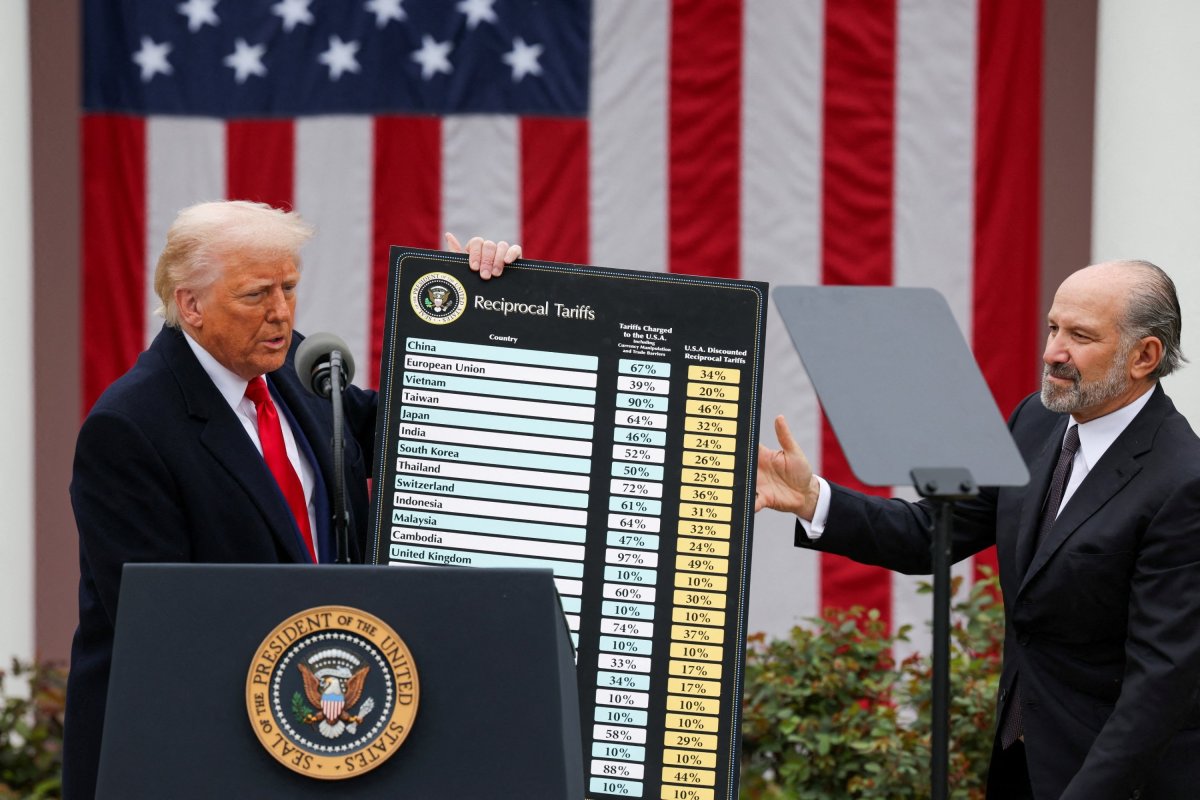
President Donald Trump issued a stark warning on Friday, threatening 100 percent tariffs on imports from any country imposing digital services taxes on American technology firms. His statement specifically targeted European nations considering swift implementation of such levies, warning that these measures would override existing trade agreements. The move builds on prior U.S. investigations under Section 301 of the Trade Act of 1974 and arrives just before the July 4 deadline tied to a U.S.-EU tariff cap deal reached in May.
European Commission spokesperson Olof Gill quickly rejected the approach, describing unilateral actions as unjustified and pledging a swift EU response to protect regulatory autonomy. Britain, operating outside the EU bloc, already applies a 2 percent digital services tax on revenues from search engines, social media platforms, and online marketplaces that draw value from U.K. users. These developments signal potential escalation in transatlantic trade friction with direct consequences for economies far beyond Europe.
Gulf States Navigate Digital Ambitions Under New Trade Risks
Saudi Arabia and the United Arab Emirates have invested heavily in digital infrastructure as part of Vision 2030 and parallel diversification plans. These initiatives aim to reduce reliance on oil revenues through tech hubs, data centers, and e-commerce platforms often powered by American companies. Trump's tariff threat introduces uncertainty for Gulf procurement of U.S. hardware and software, potentially raising costs for projects that depend on seamless cross-border data flows and cloud services.
Gulf policymakers must weigh the benefits of attracting American tech investment against the risk of retaliatory measures if they adopt their own digital services taxes. Saudi Arabia's growing partnerships with U.S. firms in artificial intelligence and smart city development could face higher input costs, while the UAE's free zones that host international data operations might encounter new compliance burdens. Such pressures could slow the pace of economic diversification even as global energy markets remain volatile due to OPEC+ coordination.
Turkey's Digital Economy Confronts External Trade Headwinds
Turkey has expanded its digital services sector in recent years, seeking to leverage its strategic location between Europe and Asia. President Recep Tayyip Erdogan's government has pursued policies to boost local tech capabilities while managing relations with both Western and non-Western partners. A 100 percent U.S. tariff regime could disrupt Turkish exports of goods tied to digital supply chains, particularly if Ankara considers measures to tax foreign platforms operating domestically.
Turkey's neo-Ottoman foreign policy outlook adds another layer, as Ankara balances ties with the European Union against opportunities for deeper engagement with Gulf investors. Any escalation in U.S.-EU digital tax disputes risks complicating Turkey's efforts to attract foreign direct investment in fintech and e-commerce. Regional analysts note that second-order effects might include shifts in Turkish sourcing strategies toward Asian suppliers, altering established trade patterns in the Eastern Mediterranean.
Israel's Tech Sector Assesses Exposure to Tariff Escalation
Israel maintains one of the region's most advanced technology ecosystems, with strong integration into American supply chains through cybersecurity, software, and semiconductor design. The Abraham Accords have further strengthened economic links between Israel and several Gulf states, creating new corridors for joint tech ventures. Trump's tariff announcement raises questions about how Israeli exports of dual-use technologies or components might be affected if broader trade measures expand.
Israeli officials have historically aligned closely with U.S. positions on digital regulation, yet the threat of superseding negotiated deals introduces fresh variables. Companies in Tel Aviv and Haifa that rely on European markets for revenue could see indirect pressure if the EU responds with countermeasures. This dynamic intersects with ongoing Israeli-Palestinian considerations, as stable regional trade remains essential for sustained growth in high-tech exports that support national security priorities.
Regional Trade Diversification and Energy Linkages
Middle East economies have accelerated efforts to diversify partnerships amid great power competition involving the United States, China, and Russia. Trump's digital tax stance could accelerate moves by Gulf states to deepen engagement with Chinese technology providers as alternatives to American platforms. Such shifts carry implications for data security standards and long-term vendor lock-in across critical infrastructure projects.
Energy markets add further complexity. OPEC+ members, including Saudi Arabia, monitor how trade tensions might influence global demand and investment flows. If higher tariffs raise costs for digital tools used in oil and gas operations, producers may face margin pressures that affect fiscal planning. Meanwhile, Qatar and other gas exporters watch for signs that digital taxation disputes could spill into broader supply chain disruptions affecting liquefied natural gas infrastructure.
Strategic Calculus and Long-Term Regional Stability
Each actor in the Middle East faces distinct incentives. Gulf monarchies prioritize stable access to U.S. technology while preserving sovereign control over taxation and data governance. Turkey seeks to maintain export competitiveness without alienating key partners. Israel aims to safeguard its qualitative military and technological edge amid evolving alliances forged through the Abraham Accords.
Second-order effects could include accelerated regional cooperation on alternative digital frameworks, possibly coordinated through the GCC or Arab League mechanisms. The Sunni-Shia geopolitical competition may also influence responses, as states aligned with different external powers calibrate their digital policies accordingly. Ultimately, the outcome of the U.S.-EU standoff will shape whether Middle East economies can sustain rapid digital growth or must adopt more cautious, diversified approaches to technology adoption and trade.
Source: Daily Sabah
By Malik Hassan, Staff WriterThis article was produced with AI-assisted research and editorial support. Reporting is based on sources cited in the article.
What's Your Reaction?
 Like
0
Like
0
 Dislike
0
Dislike
0
 Love
0
Love
0
 Funny
0
Funny
0
 Wow
0
Wow
0
 Sad
0
Sad
0
 Angry
0
Angry
0

Middle East Correspondent at Global1.News. Based in Beirut, covering politics, conflict, energy, and society across the Middle East. Brings context and depth to a region often reduced to headlines.















Comments (0)