
Sixth Circuit Rejects Trump DOJ's Michigan Voter Data Grab
The Bombshell That Hit the Sixth Circuit The Sixth Circuit dropped a thunderclap on June 24, 2026. In a razor-thin 2-1 ruling, the appeals court slammed the brakes on the Trump DOJ’s aggressive grab for Michigan’s entire voter registration database. We’re talking full names, Social Security numbers, birth dates, and driver’s license details all handed over on a silver platter.
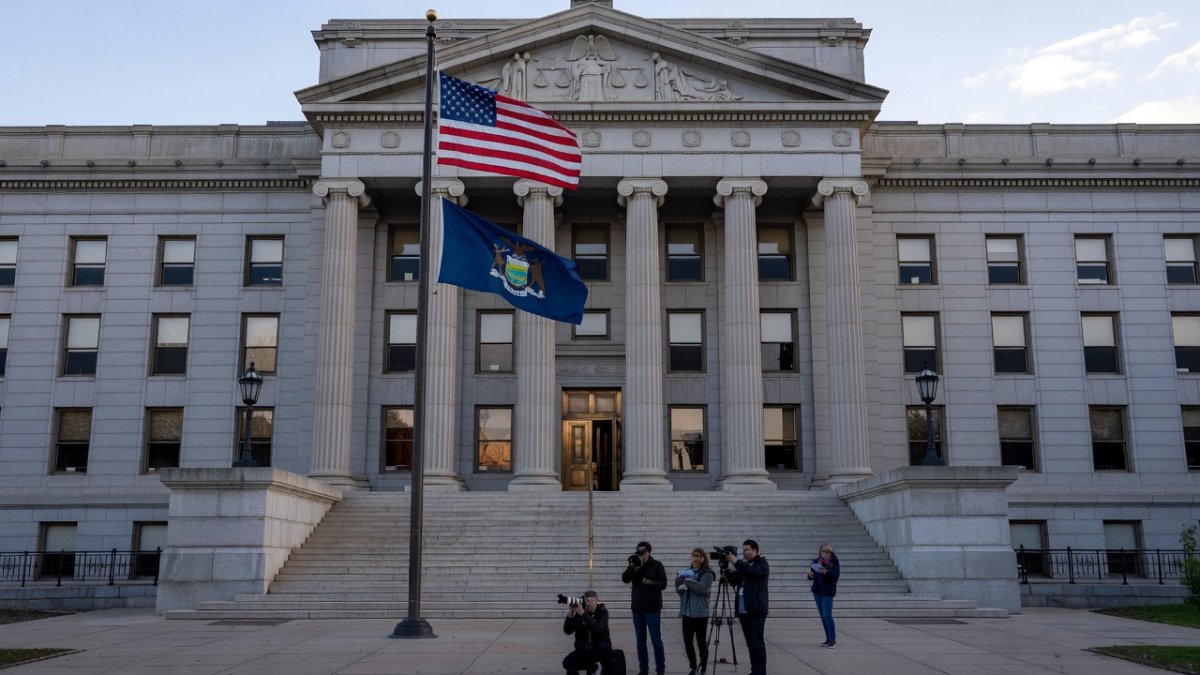
The Bombshell That Hit the Sixth Circuit
The Sixth Circuit dropped a thunderclap on June 24, 2026. In a razor-thin 2-1 ruling, the appeals court slammed the brakes on the Trump DOJ’s aggressive grab for Michigan’s entire voter registration database. We’re talking full names, Social Security numbers, birth dates, and driver’s license details all handed over on a silver platter. The majority didn’t mince words. They called the demand an overreach that trampled state sovereignty and basic privacy protections. Michigan fought back hard, and the court listened.
This wasn’t some minor paperwork dispute. The stakes cut straight to the heart of how elections run in this country. The DOJ claimed it needed the raw data to hunt down phantom voters and clean rolls before the midterms. Judges on the panel saw something else: a fishing expedition dressed up as enforcement. The dissent howled that national security and election integrity should override state pushback, but the majority held the line. Two judges versus one. That’s all it took to keep Michigan’s sensitive records locked down for now.
The ruling lands like a warning shot across federal bow. It signals that courts won’t rubber-stamp every data request that lands on a secretary of state’s desk. Voters in Michigan can breathe easier tonight knowing their personal identifiers aren’t winging their way to Washington without a stronger legal hook. The decision pulses with tension because everyone knows this fight is far from finished.
What the DOJ Actually Wanted — and Why It Got Rejected
The Department of Justice didn’t ask for a polite summary or redacted excerpts. They wanted the whole enchilada: every registered voter’s Social Security number, exact birth date, and driver’s license number in one massive file. Their justification? A claim that Michigan’s rolls contained around 34,000 deceased individuals still listed as active. That number got thrown around like a grenade, but the court wasn’t buying the urgency without more proof.
Privacy concerns dominated the majority opinion. Handing over SSNs and driver’s license data creates a goldmine for identity thieves and political operatives alike. The judges noted that Michigan’s own state laws already shield this information from broad federal sweeps. Releasing it would have forced the state to violate its own statutes. The panel saw no compelling federal interest strong enough to bulldoze those protections, especially when less invasive options existed for verifying voter eligibility.
The rejection wasn’t gentle. The court essentially told the DOJ to come back with narrower requests or better evidence. Broad demands for sensitive personal data hit a constitutional wall here. Election integrity matters, but so does preventing a federal agency from vacuuming up millions of citizens’ most private details on a hunch. That balance tipped against the government this time.
Jocelyn Benson Drew a Line in the Sand
Michigan Secretary of State Jocelyn Benson didn’t blink. When the DOJ demand landed, she pushed back immediately, citing state privacy statutes that treat voter data like guarded treasure. Benson argued that releasing full SSNs and driver’s license numbers would expose millions of residents to unnecessary risk. She framed the fight as protecting democracy itself, not just bureaucratic turf.
Her office highlighted how Michigan already maintains rigorous voter roll maintenance through cross-checks with death records and other databases. The 34,000 deceased voters figure was disputed as inflated or outdated. Benson’s team showed they were already cleaning lists without surrendering sensitive identifiers to federal hands. That stance resonated with the Sixth Circuit majority, which praised state-level safeguards.
Benson’s refusal turned into a model for other officials facing similar pressure. She made clear that cooperation has limits when personal privacy hangs in the balance. Her public statements carried the rhythm of someone who knew the legal ground was solid. By standing firm, she forced the courts to weigh federal ambition against state authority, and the state came out ahead in this round.
A Nationwide Push Hits a Legal Wall
Michigan wasn’t the only target. Roughly thirty states received comparable DOJ letters demanding comprehensive voter data. California, Oregon, and New York all pushed back with varying degrees of force. Some complied partially with sanitized records. Others, like Michigan, drew hard lines and ended up in court. The Sixth Circuit decision now casts a shadow over those parallel battles.
The pattern revealed a coordinated federal strategy aimed at rapid roll audits ahead of the midterms. Yet the legal wall in Michigan suggests the approach may stall elsewhere. Judges in other circuits are watching. Broad data grabs without narrow tailoring look increasingly shaky under privacy precedents. States with strong data protection laws suddenly hold stronger cards.
This ruling doesn’t end the nationwide effort, but it forces recalibration. The DOJ may need to narrow its asks or build stronger records of specific problems before judges will sign off. For states that resisted early, the Michigan precedent offers fresh ammunition. The push continues, but the legal terrain just got rougher for sweeping federal demands.
Civil Rights Groups Sound the Alarm on Voter Intimidation
Civil rights organizations wasted no time framing the data request as more than a records dispute. Groups warned that collecting SSNs and driver’s license numbers could chill voter participation, especially in communities already wary of government surveillance. The fear is real: once that information leaves state control, it could be used to target or intimidate voters rather than simply verify rolls.
Privacy risks extend beyond identity theft. Activists pointed to historical patterns where voter data has been weaponized for suppression efforts. A massive federal database of personal identifiers creates new avenues for harassment or selective enforcement. The Sixth Circuit’s rejection was celebrated as a check against that chilling effect.
These organizations emphasized that election integrity and voter access are not mutually exclusive. Robust verification can happen without exposing every citizen’s most sensitive details. The ruling reinforces that balance. It tells federal agencies that aggressive tactics risk suppressing turnout more than they protect the process. That message resonates far beyond Michigan’s borders.
What This Ruling Actually Means for Your Privacy
For everyday voters, the decision keeps personal data where it belongs: under state protection rather than federal spreadsheets. Your SSN and driver’s license number won’t be bundled into a DOJ file just because someone in Washington wanted a shortcut. That matters for practical security. Data breaches happen. The fewer places your identifiers live, the lower the exposure.
The ruling also sets expectations. States now have clearer precedent to resist overly broad requests. Voters gain reassurance that their registration information won’t be treated as public property for federal audits. Security protocols at the state level remain the primary shield, and courts appear willing to enforce those boundaries.
Practically, nothing changes for most people’s daily lives. You still register the same way. Your vote still counts the same. But the precedent protects against future overreach. It means your private details stay private unless a stronger, more targeted legal justification emerges. That’s a tangible win for personal security in an era of constant data demands.
Could This Head to the Supreme Court?
The DOJ has already signaled it may seek further review, possibly en banc or straight to the Supreme Court. With midterms looming, timing becomes critical. A high-court showdown could stretch into 2027, leaving states in limbo about what data they must surrender. The current 2-1 split gives the government plausible grounds to keep fighting.
Supreme Court intervention would test how far federal election authority reaches into state record-keeping. Conservative justices might favor broader access for integrity purposes. Others could prioritize privacy and federalism. Either way, the stakes involve millions of voters across multiple states.
Until then, the Sixth Circuit ruling stands as binding precedent in its circuit. Other states can cite it while the appeal clock runs. The fight is far from over, but the immediate threat of a massive data handover has been blocked. Everyone is watching to see if the case climbs higher before the next election cycle intensifies.
Bottom Line — and What You Can Do
The Sixth Circuit just told the federal government it can’t simply demand everything. That’s the core takeaway. Privacy protections held, state authority was respected, and a broad fishing expedition got reeled in. Voters keep their sensitive information safer for now.
Stay engaged. Contact your state election officials and ask how they handle federal data requests. Support legislation that strengthens voter data safeguards without weakening verification. Watch for updates on any appeal and know your rights under state privacy laws. Small actions like confirming your own registration status and reporting concerns keep the system accountable.
This ruling proves courts can still push back when demands go too far. Use that space to protect your own information and push for transparent processes. Democracy runs on trust and security. Both took a small victory today.
By Jessica Ali, Lead Anchor — Global 1 News
This article was produced with AI-assisted research and editorial support. Reporting is based on sources cited in the article.
What's Your Reaction?
 Like
0
Like
0
 Dislike
0
Dislike
0
 Love
0
Love
0
 Funny
0
Funny
0
 Wow
0
Wow
0
 Sad
0
Sad
0
 Angry
0
Angry
0

Editor-in-Chief at Global1.News. Atlanta-based journalist who cuts through the BS and tells it like it is. Lead anchor, host, and the voice you hear when the spin stops and the truth starts.















Comments (0)