
Vice President Sara Duterte Faces Impeachment Over Unexplained Wealth
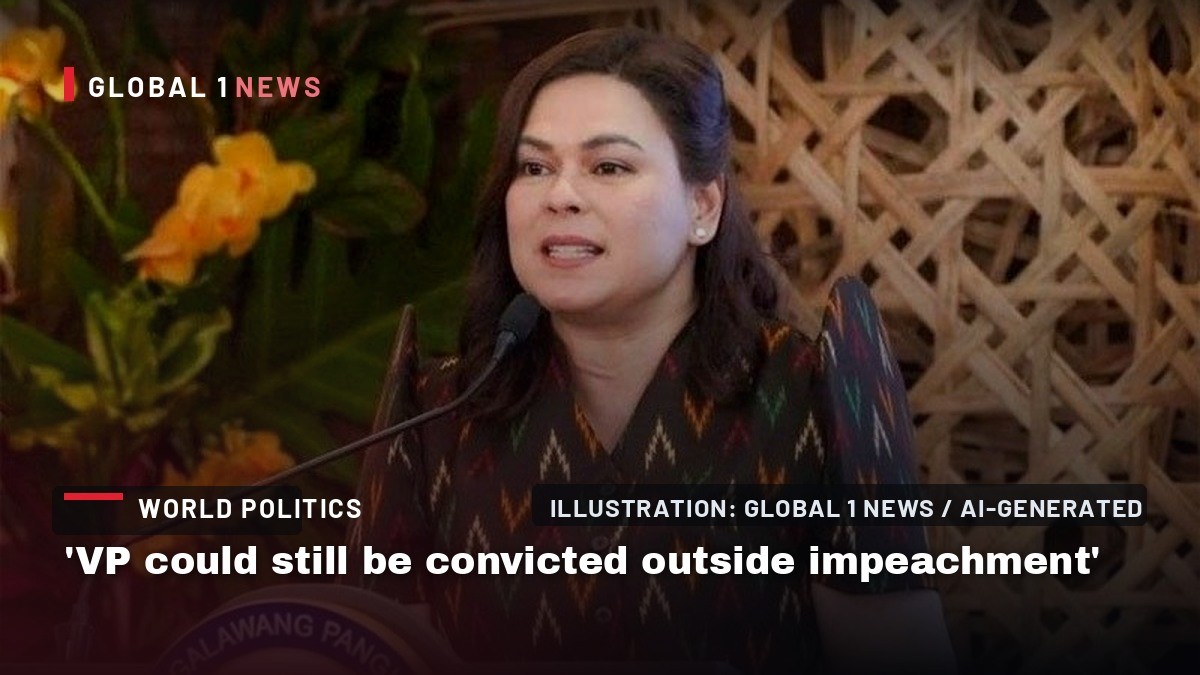
In a historic turn of events, Vice President Sara Duterte, the daughter of former President Rodrigo Duterte, is now on the 30th day of her impeachment trial before the Senate.
In a historic turn of events, Vice President Sara Duterte, the daughter of former President Rodrigo Duterte, is now on the 30th day of her impeachment trial before the Senate. The trial, which began with accusations of misusing confidential funds, has shifted its focus to Article 2 – a charge that alleges the vice president betrayed public trust by amassing unexplained wealth. The ANC 24/7 video report released early Thursday morning outlines the gravity of the situation, noting that this is the first impeachment of a sitting Philippine vice president. As the nation watches, the outcome could reshape the political landscape ahead of the 2028 presidential election.
Background of the Impeachment Proceedings
The impeachment trial of Vice President Sara Duterte began with a focus on the alleged diversion of confidential funds, a charge that sparked intense debate in the Senate chambers and across barangays nationwide. According to the ANC 24/7 report, the trial entered its 30th day on September 28, 2026, marking a significant milestone in Philippine legislative history. The Senate, acting as the impeachment court, has been hearing testimonies, reviewing documents, and hearing arguments from both the prosecution and the defense.
Article 2, the current focus of the trial, centers on the claim that the vice president accumulated wealth that cannot be accounted for by her official salary or known sources of income. The prosecution argues that this unexplained wealth constitutes a betrayal of the public trust, a core principle enshrined in the Constitution. The report emphasizes that the charges are not merely about financial irregularities but about the erosion of confidence that ordinary Filipinos place in their elected officials.
The historical context is crucial. This is the first time a sitting vice president has faced impeachment, a fact highlighted in the ANC coverage. The trial’s outcome will set a precedent for future accountability measures, especially as the country approaches the 2028 presidential race. The political stakes are high, and the proceedings have become a focal point for discussions about transparency, governance, and the rule of law.
The Allegations of Unexplained Wealth
The prosecution’s case under Article 2 alleges that Vice President Duterte has amassed assets that far exceed what could be justified by her official earnings. While the ANC video does not disclose specific figures, it underscores the seriousness of the accusation: the vice president is accused of betraying public trust by allegedly hiding wealth from the public eye. This charge resonates deeply in a country where many families rely on the modest income of a sari‑sari store or the remittances of an OFW to make ends meet.
Prosecutors have presented evidence suggesting that the vice president’s lifestyle, property holdings, and financial transactions do not align with her declared income. The report notes that the allegations are part of a broader narrative that includes previous accusations of grave threats against President Ferdinand Marcos Jr. and other forms of corruption. These multiple layers of accusation paint a picture of a public official under intense scrutiny from both political opponents and civil society.
Defenders of the vice president argue that the allegations are politically motivated, pointing to the timing of the trial as the nation gears up for the 2028 elections. They claim that the charges are an attempt to tarnish the Duterte legacy and undermine the political capital that the vice president has built through a series of high‑profile projects and public appearances. The ANC report captures this tension, noting that the trial has become a battleground for competing visions of the country’s future.
Political Implications for the 2028 Presidential Race
With the impeachment trial still ongoing, political analysts are already projecting how the outcome could influence the upcoming 2028 presidential election. The ANC video highlights that the trial’s result is likely to shape the political fortunes of the Duterte camp, which has maintained a strong base of support in the southern Luzon and Mindanao regions. If Vice President Duterte is convicted, it could deal a severe blow to the Duterte political brand, potentially opening space for rival parties and candidates.
Conversely, a not‑guilty verdict could reinforce the perception of resilience among Duterte loyalists, bolstering their confidence heading into the election cycle. The report notes that the trial itself has become a platform for political messaging, with both sides using the proceedings to rally supporters and appeal to the broader electorate. The Senate’s handling of the case will be watched closely by the Commission on Elections, which will later oversee the 2028 polls.
Beyond party politics, the trial also raises questions about the role of the judiciary and the Department of Justice in safeguarding democratic processes. Observers have pointed out that the Senate’s decision will send a signal to future office‑holders about the limits of acceptable conduct. The ANC coverage underscores that the trial is more than a legal proceeding; it is a litmus test for the health of Philippine democracy.
Public Reaction and Community Impact
The impeachment trial has sparked a wave of public reaction across the archipelago. In barangays from the Visayas to the Cordilleras, residents have gathered to discuss the proceedings, often comparing the vice president’s alleged misconduct to everyday struggles with government services. The ANC report captures the sentiment that many Filipinos feel a personal stake in the outcome, seeing the trial as a reflection of how public officials treat the common good.
Community leaders have organized bayanihan efforts to educate voters about the impeachment process, emphasizing the importance of transparency and accountability. Local NGOs have distributed pamphlets explaining the charges under Article 2, helping ordinary citizens understand the legal language and its implications for public trust. These grassroots initiatives illustrate how the trial has permeated daily life, influencing conversations at sari‑sari stores, jeepney stops, and church gatherings.
Social media has amplified these discussions, with hashtags trending in both English and Filipino. While the ANC video does not quantify online engagement, it notes that the trial has become a focal point for civic discourse. The public’s heightened interest underscores a broader desire for leaders who respect the rule of law and prioritize the welfare of ordinary Filipinos over personal enrichment.
Legal Procedures and Senate Deliberations
The Senate, acting as the impeachment court, follows a set of procedural rules that have been in place since the 1987 Constitution. The ANC report outlines that the trial is now in its 30th day, indicating that the Senate has spent considerable time hearing evidence and arguments. The process includes the presentation of documents, cross‑examination of witnesses, and legal briefs submitted by both the prosecution and the defense.
One of the key legal questions under Article 2 is the standard of proof required to convict a sitting vice president of betraying public trust. The prosecution must demonstrate that the unexplained wealth is not merely a matter of speculation but a clear breach of fiduciary duty. The defense, meanwhile, seeks to challenge the credibility of the evidence and argue that the wealth could be explained by legitimate means, such as inheritance or business ventures.
The Senate’s deliberations are being closely monitored by the Office of the Ombudsman, which has a mandate to investigate corruption and misconduct in the public sector. While the ANC video does not detail the Ombudsman’s involvement in this specific trial, the agency’s broader role in upholding integrity in government adds another layer of oversight to the proceedings. The outcome of the trial will likely influence how future cases of alleged corruption are handled by both legislative and investigative bodies.
Future Outlook and the Path to Accountability
As the impeachment trial continues, the nation stands at a crossroads. The ANC 24/7 report emphasizes that the verdict will have lasting repercussions for the political culture of the Philippines. A conviction could reinforce a culture of accountability, signaling that even the highest offices are not above the law. It would also serve as a deterrent to future officials who might consider exploiting public resources for personal gain.
On the other hand, an acquittal could embolden those who view the trial as a politically motivated attack rather than a genuine pursuit of justice. It may also deepen public cynicism toward the political establishment, especially if the decision is perceived as influenced by partisan interests rather than factual evidence. The report suggests that the Senate’s handling of the case will be a key factor in shaping public trust in democratic institutions.
Regardless of the final outcome, the trial has already sparked a national conversation about the importance of transparency, the role of public service, and the need for robust mechanisms to check abuse of power. Civil society groups, the Department of Health, the Department of Education, and other agencies are watching closely, ready to respond to the Senate’s decision with reforms or advocacy as needed. The story of Vice President Sara Duterte’s impeachment is far from over, but it has already left an indelible mark on the collective conscience of the Filipino people, reminding us that the health of our democracy depends on the vigilance of every citizen, from the barangay captain to the overseas Filipino worker sending remittances home.
By Bella Reyes, Staff Writer
This article was produced with AI-assisted research and editorial support. Reporting is based on the source material cited below. Sources: ANC 24/7 video report (28 September 2026); ANC 24/7; Global1.News
What's Your Reaction?
 Like
0
Like
0
 Dislike
0
Dislike
0
 Love
0
Love
0
 Funny
0
Funny
0
 Wow
0
Wow
0
 Sad
0
Sad
0
 Angry
0
Angry
0

Philippines/Southeast Asia Correspondent at Global1.News. Manila-based journalist covering Philippine politics, environment, maritime security, and social issues. Passionate about marine conservation and the communities protecting the Philippines' natural heritage.












Comments (0)