
Laos cave rescue: First survivor brought out
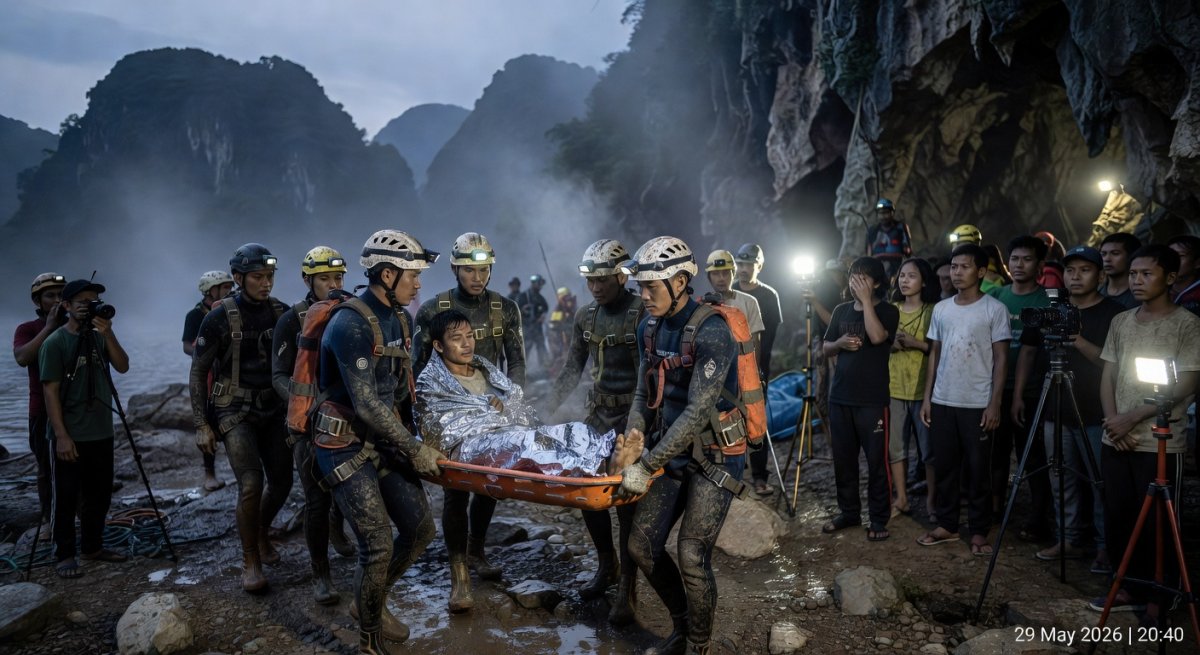
In the remote highlands of Xaisomboun province, Laos, a moment of cautious relief emerged on the evening of 29 May 2026 when rescuers brought the first survivor out of a flooded cave at 20:40. This development offers a fragile thread of hope for the remaining villagers still inside, as reports confirm that five of the seven people originally trapped have now been located alive. The operation, tracked closely by Thailand Rescue Diver, underscores the shared stakes across borders when sudden flooding turns familiar landscapes into perilous traps.
The news travels quickly through villages and towns on both sides of the Mekong, where families wait for updates with quiet determination. For communities in northern Laos and neighboring Thailand, such incidents echo longstanding concerns about monsoon-driven water surges that can isolate people deep underground within minutes. The successful extraction of one survivor marks a tangible step forward, yet it also highlights how every additional hour inside the cave increases the physical and emotional toll on those waiting on the surface.
Coordinated Efforts Across Borders
Thai rescue divers have played a visible role in monitoring and supporting the Laos operation, reflecting longstanding practical cooperation between the two countries when disaster strikes remote areas. Their involvement brings specialized knowledge of underwater navigation and equipment handling that proves essential once passages fill with fast-moving water. This partnership draws on experience gained from similar terrain, where limestone formations create narrow channels that flood unpredictably during heavy seasonal rains. Analysis of the timeline shows that locating five survivors represents meaningful progress in an environment where visibility and communication drop sharply once water levels rise. The decision to prioritize careful extraction over speed demonstrates an understanding that rushed movements can endanger both rescuers and those being helped. Such measured pacing often determines whether an operation ends in additional lives saved or further complications.Geography and Seasonal Risks in Laos
Xaisomboun province sits amid karst landscapes that feature extensive cave networks fed by mountain streams. During the height of the rainy season, these systems can transform from quiet passageways into powerful conduits that trap anyone caught inside. Local residents know the caves as places of occasional shelter or exploration, yet they also recognize how quickly water can rise when upstream rainfall feeds into underground rivers. This geography places rural communities at recurring risk, particularly where roads and communication lines remain limited. The current incident illustrates broader patterns seen across Southeast Asia’s highland regions, where climate variability has lengthened periods of intense precipitation. Understanding these environmental pressures helps explain why preparation and rapid cross-border response have become central to disaster management strategies in both Laos and Thailand.Human Impact on Village Life
Beyond the technical aspects of the rescue, the event touches entire communities that rely on tight social bonds for support during crises. Families of the trapped villagers gather near the cave entrance, sharing food and quiet conversation while monitoring every official update. In such settings, news of the first survivor reaching safety spreads as both encouragement and a reminder that the work remains unfinished for those still inside. The psychological strain extends to rescuers as well, many of whom balance professional duties with awareness of the personal stories involved. Community networks in Laos often extend across the border into Thai provinces, creating informal chains of assistance that supplement formal operations. These connections help sustain morale when operations stretch over multiple days and nights.Challenges of Flooded Cave Environments
Working inside water-filled caves demands precise coordination between surface teams and divers who must manage limited air supplies, strong currents, and unstable rock. Each successful passage through constricted sections requires careful planning to avoid disorientation or equipment failure. The fact that five of the seven villagers have already been found alive suggests that some were able to reach higher ground or pockets of air before water levels peaked. Experts note that early location of survivors improves the odds for the remaining individuals, because rescue resources can then concentrate on extraction rather than prolonged search. Yet the flooded conditions continue to pose serious hazards, including reduced oxygen and shifting debris that can block previously accessible routes. These realities guide the deliberate pace observed in the current effort.What Comes Next for the Operation
With one survivor now safely outside, attention turns to sustaining momentum for the remaining individuals. Rescue teams will likely focus on stabilizing conditions inside the cave while preparing additional extraction routes. Continued monitoring by groups such as Thailand Rescue Diver will provide real-time updates that help coordinate logistics between Lao authorities and supporting personnel. Longer-term considerations include reviewing how early warning systems might reduce future incidents in similar cave systems. Community education programs already emphasize recognizing rising water signs, yet expanding access to weather data in remote districts could offer further protection. The coming days will reveal whether the operation can maintain its current progress amid ongoing weather patterns. The successful removal of the first survivor provides a measure of reassurance, but the focus remains squarely on bringing everyone home. Regional cooperation continues to prove its value in moments when geography and weather test local capacities. As efforts proceed, the quiet determination of both rescuers and waiting families reflects the deeper ties that bind communities across the Mekong region.By Ann Srisawat, Staff Writer
This article was produced with AI-assisted research and editorial support. Reporting is based on sources cited in the article.
What's Your Reaction?
 Like
0
Like
0
 Dislike
0
Dislike
0
 Love
0
Love
0
 Funny
0
Funny
0
 Wow
0
Wow
0
 Sad
0
Sad
0
 Angry
0
Angry
0

Ann Srisawat
Southeast Asia Correspondent at Global1.News. Based in Bangkok, covering Thai and Southeast Asian politics, economy, technology, and culture. Deep regional perspective on one of the world's most dynamic regions.














Comments (0)