
Palace to VP Sara: Truth Key as Impeachment No Magic Wand
In the ANC 24/7 video broadcast on July 16, 2026, Presidential Communications Office Undersecretary Atty. Claire Castro addressed the Malacañang Press Corps directly about the Senate impeachment court's handling of Vice President Sara Duterte's financial records. The briefing came one day after the court deferred its vote on the subpoena request for bank records, tax returns, and AMLC documents. Castro's remarks centered on the principle that ...
Palace Emphasizes Equal Application of Law
Atty. Claire Castro stated during the July 16, 2026 briefing that no one is above the law, which directly includes Vice President Sara Duterte. She noted that the ongoing impeachment trial, which began on July 6, 2026, tests this standard for the first time against a sitting vice president who faces two impeachment proceedings. This position connects to long-standing Philippine debates over accountability in high office, where ordinary citizens in provinces like Batangas and Davao often see uneven enforcement of rules.
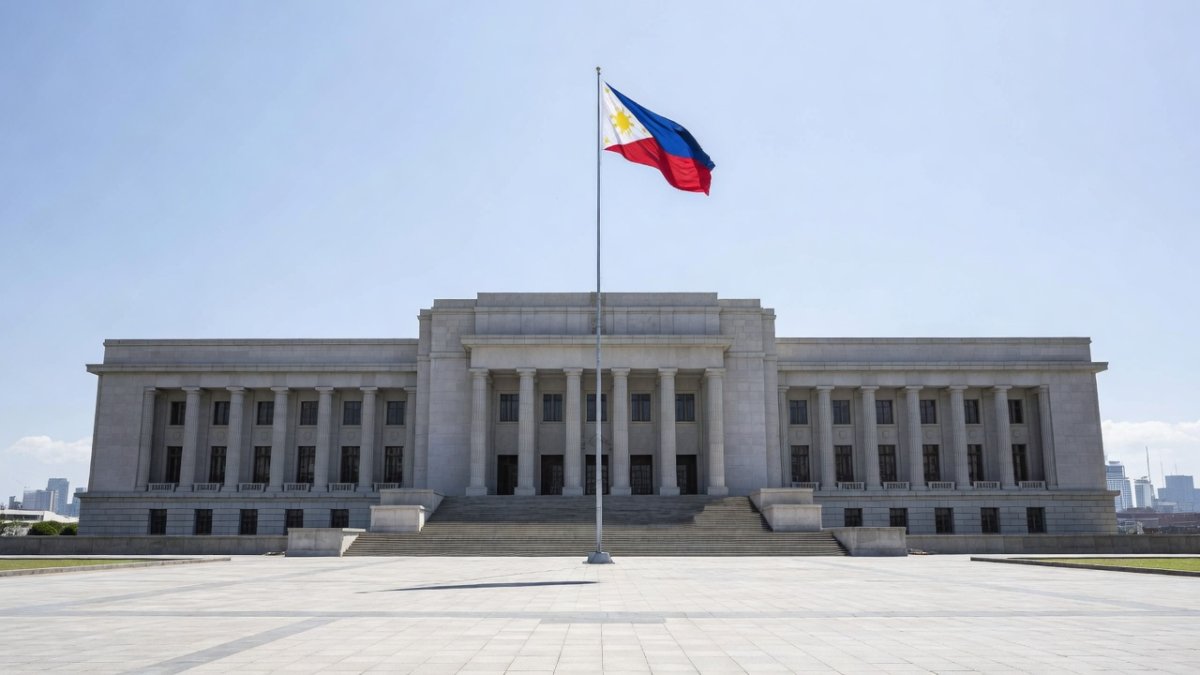
Castro questioned why the defense would oppose the subpoena if Vice President Duterte has repeatedly claimed she possesses documents showing no wrongdoing. The Senate impeachment court, presided over by Senator Francis Escudero with Senate President Alan Peter Cayetano in attendance, scheduled the vote on the subpoena for July 20, 2026, requiring only a simple majority.
Core Message on Truth and Courage
Castro used the phrase "Hindi magic wand ang impeachment, pero ang magic word truth" to describe the process. She added that the new Filipino does not cower in investigation but remains courageous, using the exact Tagalog phrasing "Ang bagong Pilipino hindi mangangatog kahit sa imbestigasyon, siya ay matapang." These statements frame the trial as a test of institutional integrity rather than a political tool.
Filipino families watching the proceedings from homes in Manila and Cebu see these words as signals that public funds must face open examination. The emphasis on truth directly ties to Article I of the impeachment, which alleges misuse of P612.5 million in confidential funds from the Office of the Vice President.
Castro's invocation of katapatan and tapang resonates deeply with ordinary Filipinos who navigate daily life through remittances from OFWs and tight household budgets. In provinces like Davao, where the Duterte name has long symbolized local power, these values challenge the dynasty's legacy by demanding that leaders model the same honesty expected in barangay meetings or market transactions. Younger voters, raised on social media exposés of corruption, interpret the message as a generational shift away from dynastic entitlement toward genuine scrutiny.
Historically, such rhetoric echoes post-Marcos reforms that sought to restore public faith after decades of cronyism. For families in Cebu or Batangas, the words signal that impeachment is not theater but a mechanism to protect community resources from elite capture. If upheld, this stance could erode the Duterte brand's aura of invincibility, forcing future candidates to prioritize transparent governance over inherited political capital.
Trial Posture on Financial Records
On July 15, 2026, the Senate impeachment court postponed its decision on the subpoena for Vice President Duterte's bank and tax records. Lead Prosecutor Rep. Gerville Luistro of Batangas 2nd district and fellow prosecutors Rep. Chel Diokno, Rep. Ysabel Maria Zamora, Rep. Lorenz Defensor, and Rep. Jay Tolosa presented their request. Defense lead counsel Atty. Michael Wesley Poa opposed it, calling the move a fishing expedition that violates due process.
The prosecution cited the 2012 impeachment trial of Chief Justice Renato Corona as precedent for accessing financial documents. Rep. Chel Diokno referenced an AMLC report showing a sharp rise in Duterte's financial transactions starting in 2007, reaching P1.8 billion. Rep. Jay Tolosa argued that early access to records would allow more efficient evidence presentation during the trial.
The Corona precedent proved pivotal because it established that unexplained wealth could justify breaching traditional protections, leading to the chief justice's conviction on Article II. Diokno specifically argued that AMLC data revealed transaction spikes inconsistent with declared income, suggesting patterns that warrant full disclosure rather than selective defense narratives. This comparison underscores how financial opacity has repeatedly shielded high officials from accountability.
Constitutional questions center on balancing Article XI's public accountability mandates against Republic Act 1405's bank secrecy provisions. Prosecutors contend that impeachment's quasi-judicial nature overrides secrecy when public funds are at issue, while the defense warns of due-process erosion. The outcome could redefine limits on executive privilege and set lasting boundaries for future probes into confidential expenditures.
Witness Adjustments and Article Focus
The prosecution withdrew six witnesses for Article IV on grave threats, leaving only NBI Director Melvin Matibag. Attention has now shifted to Article I concerning the alleged misuse of confidential funds. Named witnesses include House Legislative Archives chief Marivic Pareja and former Land Bank branch managers Violeta Constantino and Nenita Camposano.
Senator Pia Cayetano raised concerns that NBI Director Matibag attempted to influence senator-judges by referencing a separate SEA Games investigation. At least 16 of the 24 senators must vote to convict on any of the seven articles, which also include betrayal of public trust, graft, and corruption.
Why These Proceedings Matter to Communities
The outcome of the July 20, 2026 vote on the subpoena will determine whether financial records enter the public record before further witness testimony. For residents in regions that receive allocations from national confidential funds, the trial represents a direct check on how taxpayer resources reach or bypass local services. The first impeachment of a Philippine vice president, and the first of any vice president twice, sets a concrete precedent that affects how future officials handle public money.
Defense arguments that subpoenas must serve justice rather than uncover evidence will face the Senate's simple majority test. Prosecution claims that the House panel already holds sufficient evidence will be weighed against the need for additional documents. These specific steps shape whether Filipino voters see the impeachment process as capable of delivering verifiable accountability.
Confidential funds often bypass barangay-level projects such as health centers or farm-to-market roads in provinces like Batangas and Davao, where residents rely on these allocations for basic infrastructure. Taxpayers funding these pools through VAT and income deductions, alongside OFW remittances that sustain local economies, watch closely as misuse allegations surface. When funds vanish into untraceable channels, communities experience delayed services that directly affect daily commutes, school supplies, and emergency aid.
If the trial appears as political theater, public trust erodes further, reinforcing cynicism that dynasties evade consequences while ordinary citizens face audits for minor discrepancies. Genuine accountability, however, could restore faith by demonstrating that even vice-presidential offices answer to the same standards applied in local treasurers' offices. The July 20 vote thus carries weight beyond Manila, influencing whether future budgets prioritize transparent community needs over opaque national reserves.
By Bella Reyes, Staff WriterThis article was produced with AI-assisted research and editorial support. Reporting is based on sources cited in the article.
What's Your Reaction?
 Like
0
Like
0
 Dislike
0
Dislike
0
 Love
0
Love
0
 Funny
0
Funny
0
 Wow
0
Wow
0
 Sad
0
Sad
0
 Angry
0
Angry
0

Philippines/Southeast Asia Correspondent at Global1.News. Manila-based journalist covering Philippine politics, environment, maritime security, and social issues. Passionate about marine conservation and the communities protecting the Philippines' natural heritage.














Comments (0)