
Japan Leads Global Training to Combat Online Counterfeits
Japan is expanding its role in international efforts to curb counterfeit goods flowing through e-commerce platforms. Customs officials have launched training programs that equip officers from other countries with practical skills to identify fake products at borders. This development directly supports Japan’s broader trade security goals in the Asia Pacific region, where cross-
Japan is expanding its role in international efforts to curb counterfeit goods flowing through e-commerce platforms. Customs officials have launched training programs that equip officers from other countries with practical skills to identify fake products at borders. This development directly supports Japan’s broader trade security goals in the Asia Pacific region, where cross-border online sales continue to grow rapidly.
Japan's Customs Training Initiative for Counterfeit Detection
Tokyo, Japan – June 5, 2026 — Japanese customs authorities have initiated a structured program to share detection techniques with partner nations facing rising volumes of counterfeit merchandise. The effort focuses on practical inspection methods suited to high-speed e-commerce shipments rather than traditional bulk cargo. Early sessions have drawn participants from several Southeast Asian economies where online marketplaces serve as primary distribution channels.
Counterfeit Detection Training Programs in Detail
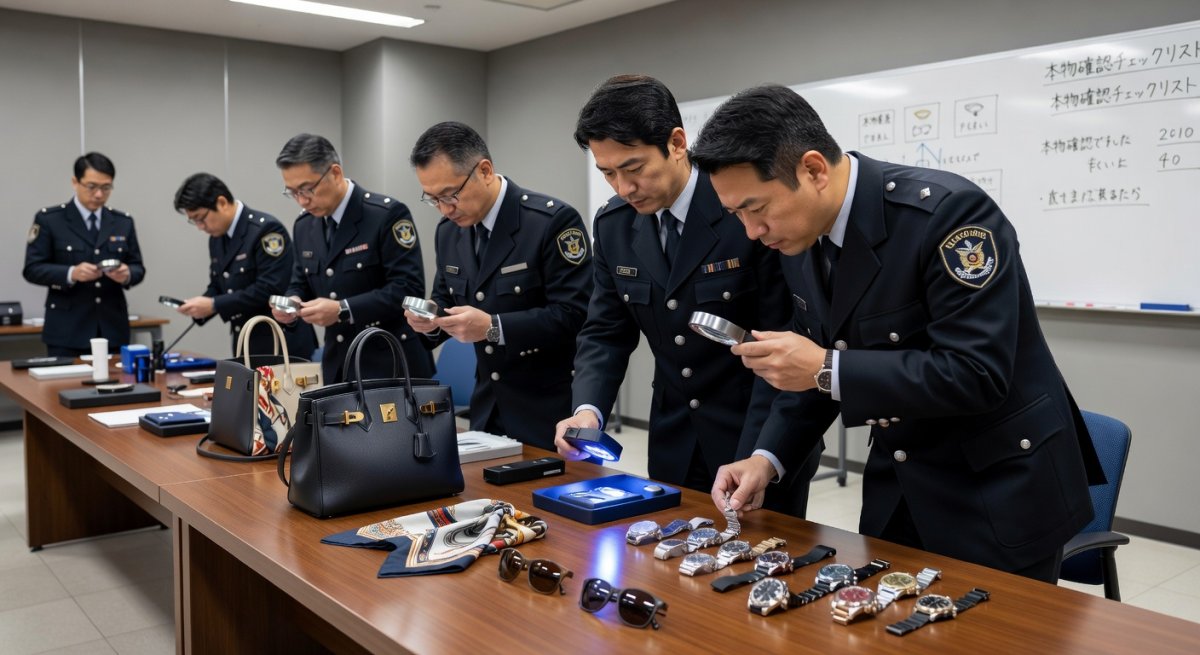
The training curriculum emphasizes hands-on examination of packaging, labeling inconsistencies, and material quality markers that distinguish genuine products from replicas. Sessions include case studies drawn from recent seizures at major Japanese ports such as Tokyo and Osaka. Instructors highlight how counterfeiters exploit small-package shipping thresholds that many countries use to expedite customs clearance.
Participants practice identifying discrepancies in serial numbers, hologram placement, and micro-printing features commonly found on electronics and luxury goods. The program also covers digital tools that scan product codes against manufacturer databases in real time. Japanese officials note that these methods must evolve quickly because counterfeiters adapt their techniques within months of enforcement changes.
Coordination between Japan Customs and the Ministry of Economy, Trade and Industry (METI) ensures the training aligns with national semiconductor and advanced materials strategies. METI has stressed that protecting intellectual property is essential for maintaining Japan’s position in high-value supply chains. Training materials are updated quarterly to reflect new counterfeit patterns observed in the field.
Follow-up webinars allow officers from participating countries to report implementation results and request additional guidance on specific product categories. This iterative approach aims to build institutional capacity rather than deliver one-time workshops. Japanese authorities have indicated that future cohorts may include customs personnel from South Asia and Oceania.
Japan's Technology Landscape
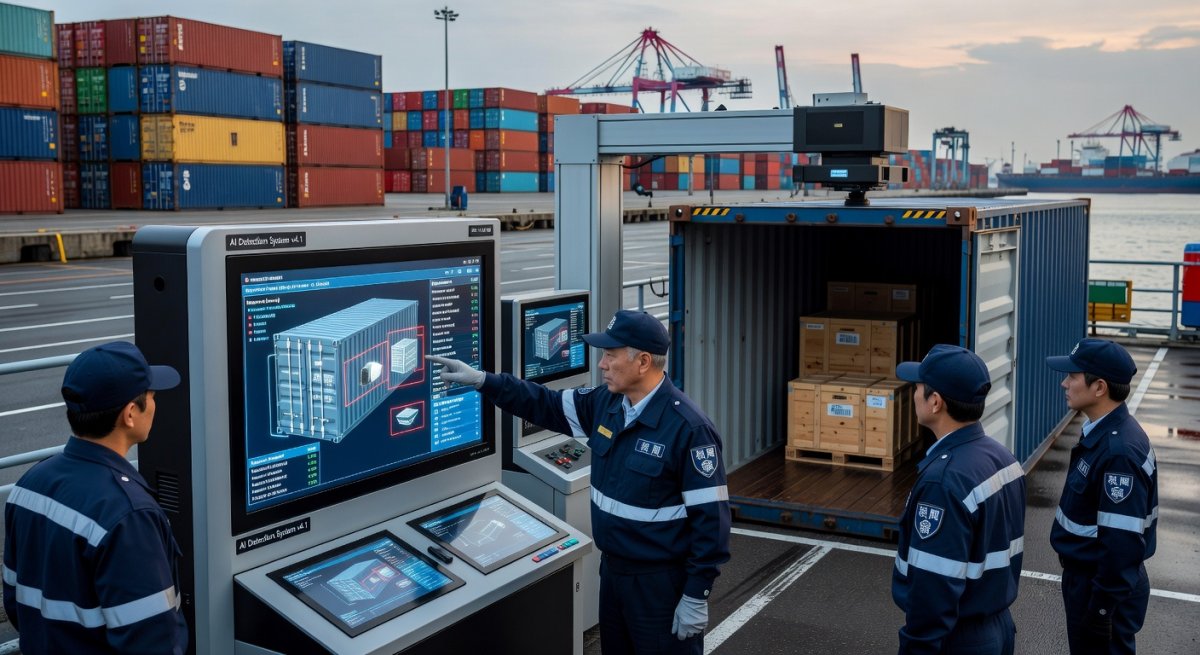
Japan’s approach integrates physical inspection training with digital verification systems developed under the Digital Agency’s oversight. These systems cross-reference shipment data with manufacturer registries, reducing reliance on manual checks alone. The combination supports Society 5.0 objectives by merging human expertise with automated analytics for border security.
Corporate Japan, including major electronics and automotive suppliers, contributes technical specifications that help distinguish authentic components from counterfeits. This private-sector input is coordinated through METI working groups that also address Green Transformation goals. Accurate identification of genuine parts supports both safety standards and environmental compliance requirements for recycled materials.
Research institutions affiliated with the government have begun testing AI-assisted image recognition tools that flag suspicious packaging during high-volume screening. While these tools remain in pilot stages, they are expected to complement the hands-on training provided to international partners. The Digital Agency continues to refine data-sharing protocols that respect differing national privacy regulations.
Integration with existing port management platforms allows customs officers to access real-time alerts without disrupting established clearance workflows. This measured rollout reflects Japan’s preference for incremental adoption of new technologies rather than abrupt system replacements. Officials emphasize that technology serves as a support layer rather than a replacement for trained personnel.
Implications for Asia Pacific
Counterfeit goods disrupt legitimate supply chains across the Asia Pacific, affecting both Japanese exporters and regional manufacturers. Training programs that improve detection at origin or transit points can reduce the flow of fakes before they reach Japanese consumers. This upstream focus aligns with METI’s emphasis on resilient regional trade frameworks.
Countries participating in the program often serve as key nodes in electronics and apparel supply chains that feed into Japanese assembly operations. Strengthened enforcement at those points supports the stability of just-in-time manufacturing models used by corporate Japan. Reduced counterfeit penetration also protects brand value for Japanese companies operating throughout Southeast Asia.
Economic analyses from regional trade bodies suggest that counterfeit trade depresses legitimate investment in research and development. By raising detection capabilities, Japan contributes to an environment where companies can recover more of their innovation costs. This dynamic is particularly relevant for semiconductor-related industries that Japan has targeted through strategic policy measures.
MOFA has framed the training initiative as part of broader economic cooperation dialogues within ASEAN frameworks. These dialogues increasingly include discussions on digital trade rules and intellectual property enforcement. Japanese officials view consistent enforcement standards as a foundation for deeper regional economic integration.
Expert Perspectives or Industry Context
Industry associations representing Japanese manufacturers have welcomed the training outreach, noting that counterfeits undermine both revenue and consumer trust. Representatives stress that small-package e-commerce shipments present unique verification challenges compared with traditional container traffic. They advocate for continued collaboration between government agencies and private firms on specification sharing.
Academic researchers studying supply chain security highlight that successful detection requires sustained knowledge transfer rather than isolated events. The Japanese program’s follow-up structure addresses this requirement by maintaining communication channels after initial sessions. This continuity distinguishes it from shorter workshops offered by other developed economies.
Logistics companies operating in the Asia Pacific report that improved customs capabilities at partner ports can shorten clearance times for legitimate shipments. When officers quickly clear authentic goods, overall supply chain velocity increases. Japanese firms that rely on regional distribution hubs stand to benefit from these efficiency gains.
Policy analysts within Japan note that the initiative complements domestic efforts to strengthen e-commerce platform accountability. While the training targets border enforcement, parallel discussions with platform operators focus on listing verification. METI continues to monitor both tracks to ensure they remain mutually reinforcing.
What to Watch For
Future training cohorts are expected to incorporate additional product categories, particularly those involving advanced materials and medical devices. Japanese authorities have signaled interest in expanding participation to include more Pacific Island nations that face growing e-commerce volumes despite limited inspection resources. Updates on curriculum changes will likely be shared through METI channels.
Progress on digital verification tools will depend on successful pilot outcomes and subsequent regulatory approvals. The Digital Agency is anticipated to publish interim findings on data interoperability later this year. Industry observers will also monitor whether participating countries adopt similar training modules for their domestic enforcement teams.
Regional trade agreements under discussion may incorporate provisions for joint customs training as a form of capacity building. Japanese negotiators have previously supported such measures in bilateral economic partnership agreements. Any formal inclusion would provide additional institutional backing for the current initiative.
Longer-term outcomes will be measured by changes in seizure statistics and feedback from participating customs agencies. Japanese officials have indicated they will publish summary reports that avoid disclosing sensitive operational details. These reports should offer insight into whether the training produces measurable reductions in counterfeit flows into the Japanese market.
The initiative reflects Japan’s strategic interest in maintaining high standards for product authenticity across regional supply chains. Continued engagement with Asia Pacific partners will shape how e-commerce growth translates into secure and reliable trade. Observers in Tokyo will track both enforcement results and technological developments in the coming quarters.
By Kenji Tanaka, Staff Writer
This article was produced with AI-assisted research and editorial support. Reporting is based on sources cited in the article.
What's Your Reaction?
 Like
0
Like
0
 Dislike
0
Dislike
0
 Love
0
Love
0
 Funny
0
Funny
0
 Wow
0
Wow
0
 Sad
0
Sad
0
 Angry
0
Angry
0

Japan Correspondent at Global1.News. Tokyo-based voice covering Japanese politics, technology, economy, and culture. Tracks the intersection of tradition and innovation in one of the world's most dynamic societies.















Comments (0)