
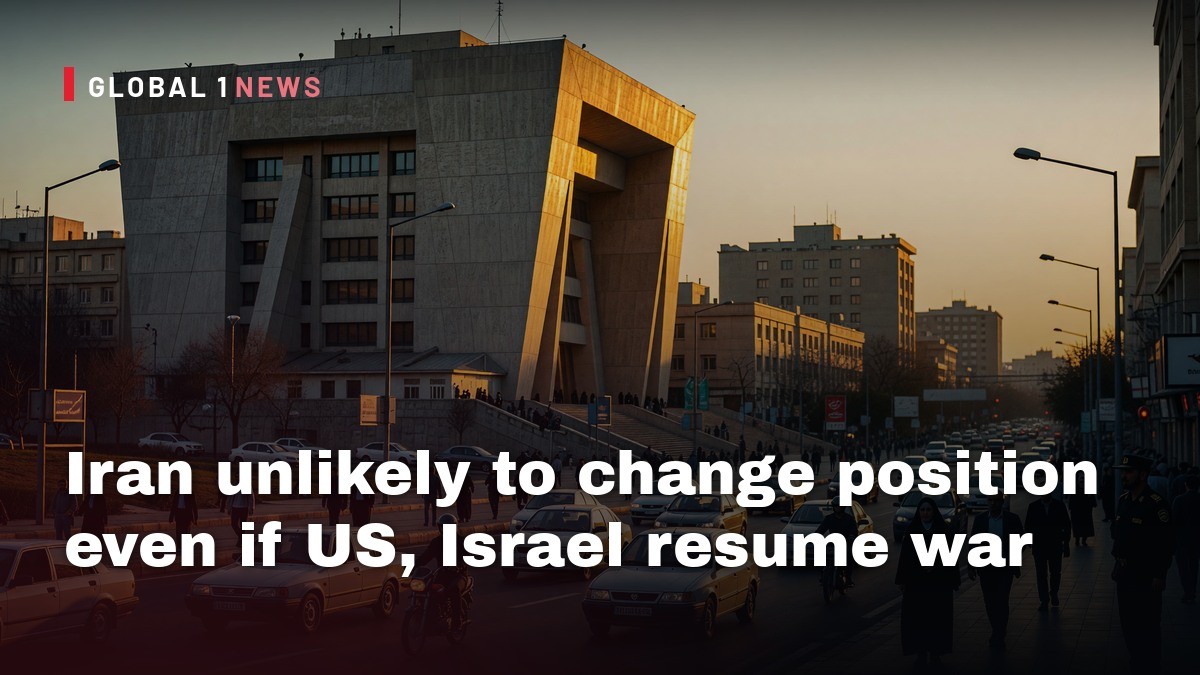
US-Iran Ceasefire Collapses: Hormuz Conflict Resumes with Sustained CENTCOM Strikes
The escalating crisis in the Persian Gulf has once again thrust the Strait of Hormuz into the spotlight of global energy security, as the brief June 2026 ceasefire between Washington and Tehran collap
The escalating crisis in the Persian Gulf has once again thrust the Strait of Hormuz into the spotlight of global energy security, as the brief June 2026 ceasefire between Washington and Tehran collapses amid renewed military exchanges. Gulf Arab states now navigate intense pressure from both US security commitments and Iranian threats to maritime access, with ripple effects reaching European importers and Asian economies reliant on Gulf crude. This latest flare-up underscores the fragility of diplomatic pauses in a region defined by deep mutual distrust and competing strategic interests.
US-Iran Ceasefire Collapses: Hormuz Conflict Resumes with Sustained CENTCOM Strikes
Beirut, Lebanon – July 16, 2026 — Article continues...
The June 17 Memorandum and Its Limits
The June 17 Memorandum of Understanding between Washington and Tehran extended an earlier 60-day pause in hostilities. The document, reached after months of intermittent clashes, aimed to freeze naval incidents and allow limited inspections of Iranian nuclear sites. Both sides cited the need to prevent further escalation, yet the text left core disputes over enrichment levels and sanctions relief unresolved.
The June 17 Memorandum of Understanding was crafted as a fragile 60-day extension of de-escalation measures, explicitly conditioned on Iran guaranteeing freedom of navigation through the Strait of Hormuz. Brokered amid intense backchannel diplomacy involving Oman and Qatar, the accord sought to avert broader confrontation following earlier tanker incidents. Yet its conditional architecture left little room for ambiguity, tying compliance directly to maritime access that both sides interpreted through competing security lenses.
Skirmishes rapidly undermined the truce in late June and early July. IRGC speedboats harassed commercial vessels near the Strait, while US patrol interceptions escalated tensions through repeated close-quarters maneuvers. These incidents, documented by maritime tracking firms, eroded trust and prompted accusations of violations from both Washington and Tehran. By early July, the pattern of harassment had transformed the Hormuz corridor into a contested zone where routine shipping faced constant risk.
On July 7, President Trump declared the ceasefire “over,” citing repeated Iranian provocations as justification for renewed operations. Ali Vaez of the International Crisis Group observed that both sides regarded the other as fundamentally unreliable, with Washington doubting Tehran’s willingness to restrain IRGC elements and Tehran perceiving US commitments as subject to domestic political whims. This mutual skepticism, Vaez argued, rendered the MoU structurally brittle from inception.
Early July Incidents Trigger Rapid Breakdown
Within days of the extension, Iranian Revolutionary Guard Corps (IRGC) vessels began shadowing commercial tankers transiting the Strait. The United States responded with increased patrols. By early July, a pattern of reciprocal harassment had re-emerged, each side accusing the other of violating the June understanding.
CENTCOM Conducts Successive Strike Waves
US Central Command executed four major strike packages between 7 and 15 July. The 7 July operation hit more than 80 targets linked to IRGC naval and missile units. The following day, 90 additional sites were struck. Further waves on 13 and 15 July marked the fifth consecutive day of operations, focusing on coastal radar, drone storage, and command facilities along Iran’s southern coast.
CENTCOM launched its July 7-8 strikes in two coordinated waves, hitting more than 80 targets initially before expanding to 90 additional sites within 24 hours. The operations focused on degrading Iran’s capacity to threaten maritime traffic, striking air defense radars, coastal surveillance installations, missile and drone storage facilities, and naval assets along the southern coastline. These precision strikes marked the most extensive US military action against Iranian infrastructure since 2020.
The campaign continued through July 13-15, constituting the fifth consecutive day of strikes, with a second wave executed on the afternoon of July 15. CENTCOM’s stated objective remained consistent: to “degrade Iran’s ability to attack commercial shipping” by neutralizing command nodes and launch platforms. Assets deployed included the USS Abraham Lincoln carrier strike group, multiple Arleigh Burke-class destroyers, and B-52 bombers operating from Diego Garcia, underscoring the scale of the US force posture in the region.
Analysts at the Washington Institute noted that the targeting sequence reflected lessons from prior limited engagements, prioritizing integrated air defenses to create corridors for follow-on operations. Iranian officials countered that the strikes exceeded defensive thresholds, setting conditions for wider retaliation across the Gulf.
Iran’s Hormuz Doctrine and Retaliatory Measures
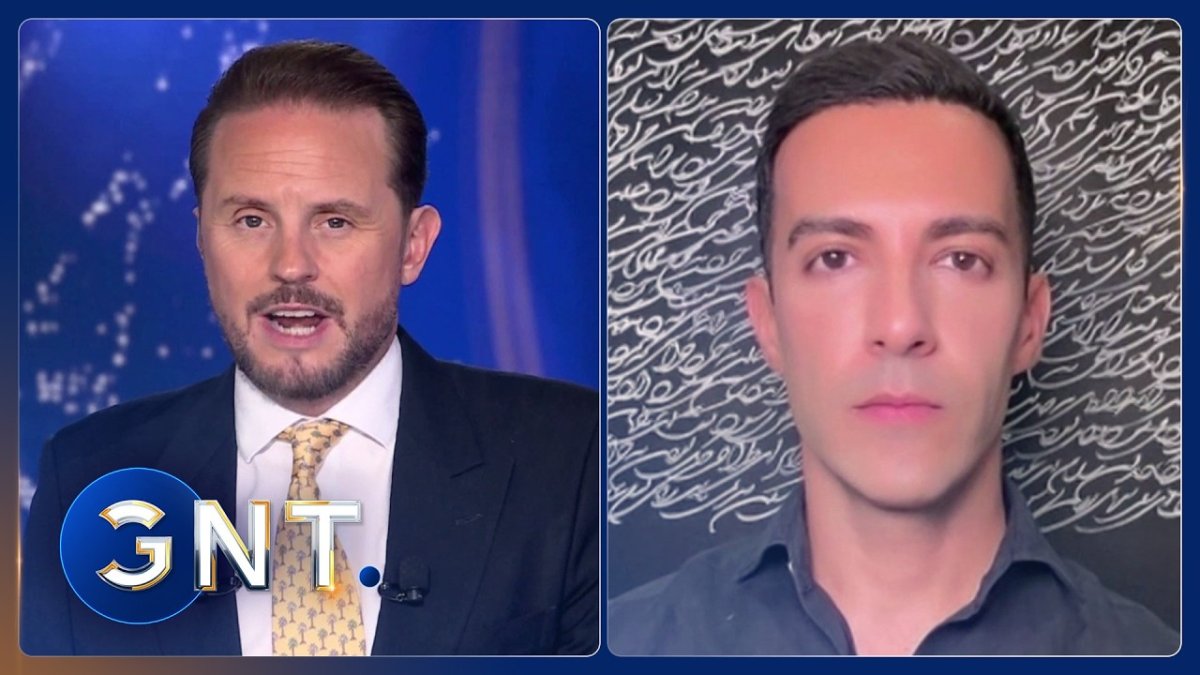
Tehran responded by declaring the Strait closed to all traffic and ordering IRGC units to target commercial vessels. Multiple tanker attacks were reported, and on 16 July an Iranian surface-to-air system downed a US MQ-9 Reaper drone. Iranian officials framed the closure as a “red line” defense of sovereign waters, adopting an explicit 2-to-1 retaliation ratio for any future US action.
Iran’s July 8 declaration of a new Hormuz doctrine formalized a policy of complete closure paired with a 2-to-1 retaliation ratio for any perceived aggression. Revolutionary Guard commanders framed the Strait as an “invincible red line,” asserting that any disruption to Iranian energy exports would trigger equivalent or greater measures against global oil flows. This doctrinal shift drew on historical precedents from the 1980s tanker war while adapting to contemporary asymmetric capabilities.
IRGC forces executed attacks on three commercial tankers in early July, employing fast-attack craft and anti-ship missiles to signal resolve. On July 16, Iranian air defenses downed a US MQ-9 Reaper drone over Andimeshk in Khuzestan province, an incident Tehran described as defensive enforcement of sovereign airspace. Reports also emerged of IRGC targeting preparations against US facilities in Bahrain and Kuwait, heightening alerts across Gulf Cooperation Council states.
Regional experts at the Gulf Research Center emphasized that Iran’s position reflected long-standing strategic doctrine viewing the Strait as leverage rather than mere transit route. The 2-to-1 ratio, officials stated, aimed to impose prohibitive costs on any sustained US campaign while preserving escalation dominance.
Trump Administration Policy Shifts
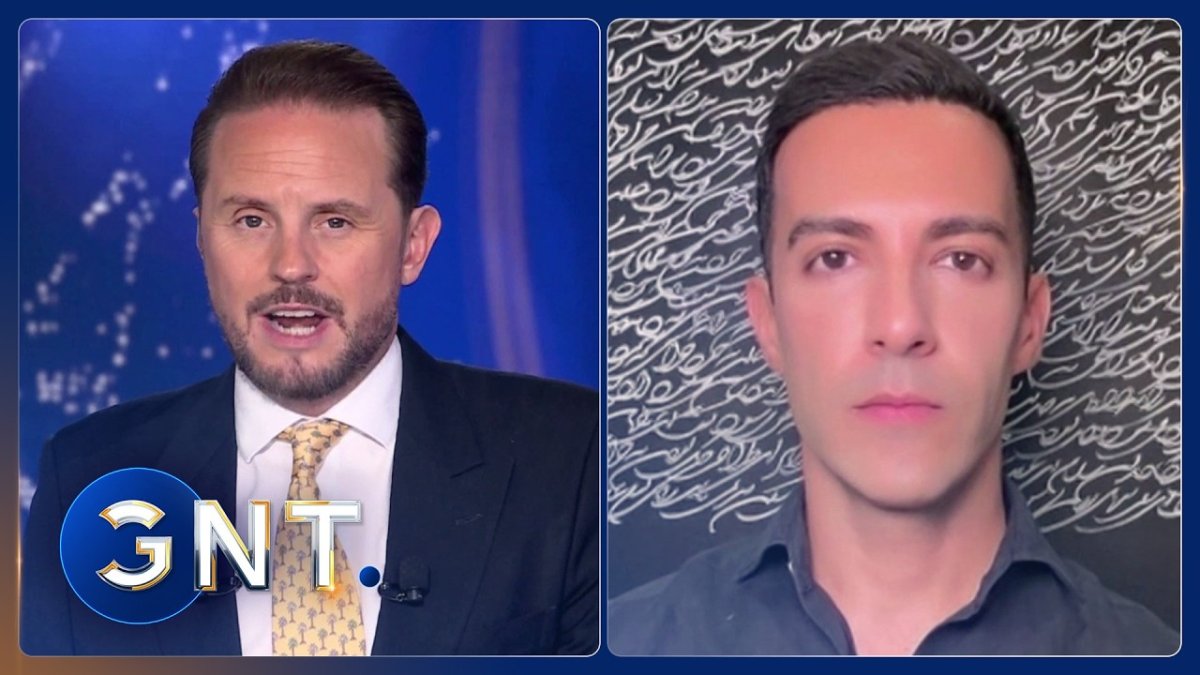
President Trump stated that the IRGC would face the same fate as ISIS and revoked the remaining oil sanctions waiver. The White House also announced that US naval forces would resume a blockade posture to keep the Strait open, positioning Washington as the strait’s security guarantor.
Economic Consequences and International Reactions
The International Energy Agency described the disruption as the largest sudden supply shock in modern history, with roughly 20 percent of global oil trade affected. Benchmark prices rose approximately 64 percent within ten days. Saudi Arabia’s Ministry of Foreign Affairs and the UAE government issued measured statements urging de-escalation while quietly coordinating with the FORGE alliance of 54 countries on contingency shipping routes.
The International Energy Agency characterized the disruption as the “largest supply disruption in the history of the global oil market,” with approximately 20 percent of worldwide oil trade passing through Hormuz now at risk. Benchmark crude prices surged roughly 64 percent within days, triggering immediate futures volatility across Asian and European exchanges. Gulf producers faced acute pressure as revenues spiked yet physical export routes narrowed.
The FORGE alliance, comprising 54 countries, accelerated formation to secure critical minerals and diversify supply chains away from Hormuz-dependent routes. Saudi Arabia, the UAE, and Qatar weighed energy windfalls against setbacks to Vision 2030 diversification programs, with Riyadh reportedly redirecting portions of increased revenues toward domestic stabilization funds. Global fuel markets experienced widespread effects, including station-level rationing in parts of South Asia and Europe alongside rising inflation readings in import-dependent economies.
China, Iran’s largest oil customer, adopted a calibrated diplomatic posture, urging restraint while quietly expanding strategic reserves. Beijing’s balancing act highlighted the tension between energy security imperatives and its broader interest in avoiding direct entanglement in Gulf hostilities.
Analysts Assess Mutual Distrust as Core Driver
Ali Vaez of the International Crisis Group noted that the ceasefire collapsed primarily because neither side trusted the other to honor commitments once tactical pressure eased. Similar assessments appeared in reports from Chatham House, which highlighted how domestic political constraints in both capitals limited room for sustained restraint.
Gulf States Navigate Competing Pressures
Gulf capitals remain caught between US security guarantees and Iranian threats to close the waterway. The FORGE alliance framework has gained renewed attention as a potential mechanism for collective maritime protection, yet Riyadh and Abu Dhabi have avoided direct participation in strikes, preferring diplomatic and economic hedging.
Vance Comments on Domestic Political Dynamics
Vice President JD Vance stated that pro-Israel advocacy groups had intensified pressure on him during earlier negotiation phases, complicating efforts to maintain the June truce. His remarks underscored how internal US political calculations intersect with regional military developments.
By Malik Hassan, Staff Writer
This article was produced with AI-assisted research and editorial support. Reporting is based on sources cited in the article.
What's Your Reaction?
 Like
0
Like
0
 Dislike
0
Dislike
0
 Love
0
Love
0
 Funny
0
Funny
0
 Wow
0
Wow
0
 Sad
0
Sad
0
 Angry
0
Angry
0
Middle East Correspondent at Global1.News. Based in Beirut, covering politics, conflict, energy, and society across the Middle East. Brings context and depth to a region often reduced to headlines.












Comments (0)