
Israeli army crosses Litani River, reaches outskirts of Nabatieh city
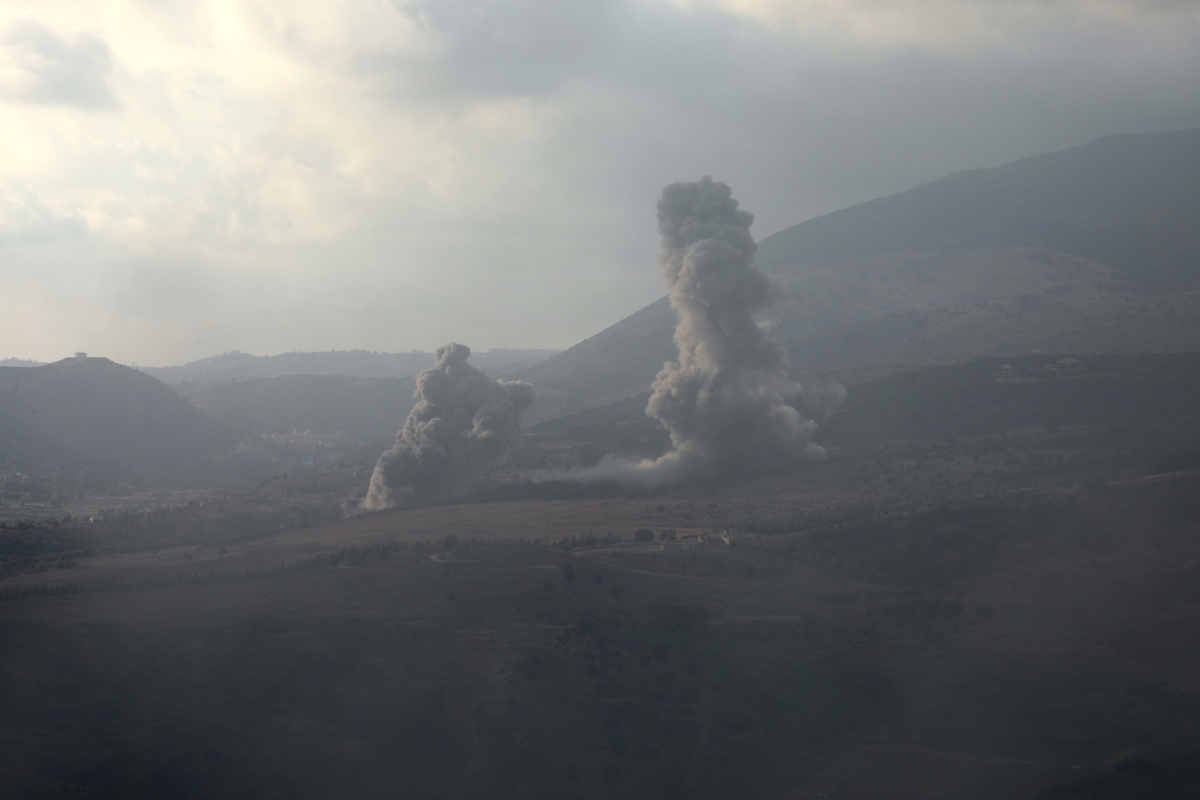
The reported advance by Israeli forces across the Litani River into areas north of the waterway and toward the outskirts of Nabatieh city underscores the continuing volatility along the Lebanon-Israel frontier and raises immediate questions about the safety of communities in southern Lebanon. A senior Lebanese military source told Anadolu on Saturday that Israeli troops have entered villages and towns north of the Litani River, including Zaw, and have reached the edges of Nabatieh. This development, relayed through established regional reporting channels, arrives at a moment when civilian populations already face prolonged displacement and restricted access to basic services.
The information remains limited to what the Lebanese military source conveyed, with no additional operational specifics released through the same channel. Observers note that any movement across the Litani carries particular weight because the river has long served as a geographic reference point in discussions of security arrangements in the area. The report does not specify the scale or duration of the presence, leaving open the possibility that further clarification may emerge in coming days.
Details Available from the Lebanese Military Source
The account provided to Anadolu centers on two main elements: the crossing of the Litani River itself and the subsequent reach to the outskirts of Nabatieh. The source described Israeli forces entering multiple villages and towns situated north of the river, listing Zaw among the locations mentioned. No timeline beyond the Saturday report was included, nor were figures on troop numbers or equipment. Because the information originates from a single senior military contact, independent verification of the precise boundaries of the advance is not yet available through additional official channels. News organizations monitoring the situation therefore present the development as reported rather than confirmed through multiple corroborating lines of evidence. This cautious framing reflects standard practice when initial accounts come from one institutional perspective.Geographic and Demographic Significance of the Litani River Area
The Litani River marks a natural division in southern Lebanon, separating zones that have experienced repeated cycles of military activity over decades. Communities north of the river, including those around Nabatieh, contain a mix of residential, agricultural, and commercial zones that sustain thousands of families. Any military movement into these districts directly affects daily life, from farming routines to access to schools and medical facilities. Nabatieh itself functions as an administrative and market hub for surrounding villages. Its outskirts include both built-up neighborhoods and open terrain used for agriculture. Reports of forces reaching these outskirts therefore prompt concerns about disruption to civilian movement, supply routes, and local governance structures, even when detailed casualty or damage assessments remain unavailable.Humanitarian and Human-Rights Considerations
From a human-rights standpoint, advances into populated districts north of the Litani raise the priority of protecting civilians under international humanitarian law. Families already displaced by earlier rounds of fighting may face renewed pressure to relocate further north or to remain in place under uncertain conditions. Access to water, electricity, and healthcare becomes more precarious when front lines shift closer to residential centers. Aid organizations operating in Lebanon have repeatedly emphasized the need for safe corridors and advance warnings to minimize civilian harm. The current report does not contain information on whether such measures were taken or on the immediate welfare of residents in the affected villages. Continued monitoring by independent observers will be essential to document any emerging humanitarian needs.Outlook for Regional Stability
The crossing of the Litani and the reported proximity to Nabatieh introduce new variables into ongoing diplomatic efforts aimed at restoring calm along the border. Past experience shows that territorial shifts of this kind can either accelerate negotiations or prolong cycles of retaliation, depending on the responses of the parties involved. Lebanese authorities and international actors will likely seek additional details from military and diplomatic sources in the hours and days ahead. The absence of comprehensive on-the-ground reporting from multiple independent outlets means that assessments of the situation’s trajectory must remain provisional. Attention will focus on whether the reported positions are maintained, adjusted, or reversed, and on any accompanying measures to safeguard civilian populations.By Fatima Al-Rashid, Staff Writer
This article was produced with AI-assisted research and editorial support. Reporting is based on sources cited in the article.
What's Your Reaction?
 Like
0
Like
0
 Dislike
0
Dislike
0
 Love
0
Love
0
 Funny
0
Funny
0
 Wow
0
Wow
0
 Sad
0
Sad
0
 Angry
0
Angry
0

Fatima Al-Rashid
Gulf/MENA Correspondent at Global1.News. Based in Doha, covering Gulf politics, energy markets, diplomacy, and development across the Middle East and North Africa. Tracks the economic transformation of the Gulf states.














Comments (0)