
Israel-Lebanon Talks Advance US-Backed Pilot Zones Plan
In a recent i24NEWS English report, Israeli and Lebanese delegations are continuing discussions in Washington over a US-backed proposal that would see Israeli forces hand over parts of southern Lebanon to the Lebanese army. The so-called "pilot zones" plan represents the most significant diplomatic effort to stabilize the border since the 2024-2025 war with Hezbollah, though ma
In a recent i24NEWS English report, Israeli and Lebanese delegations are continuing discussions in Washington over a US-backed proposal that would see Israeli forces hand over parts of southern Lebanon to the Lebanese army. The so-called "pilot zones" plan represents the most significant diplomatic effort to stabilize the border since the 2024-2025 war with Hezbollah, though major questions remain about implementation and enforcement.
Washington Discussions Focus on Territory Transfer
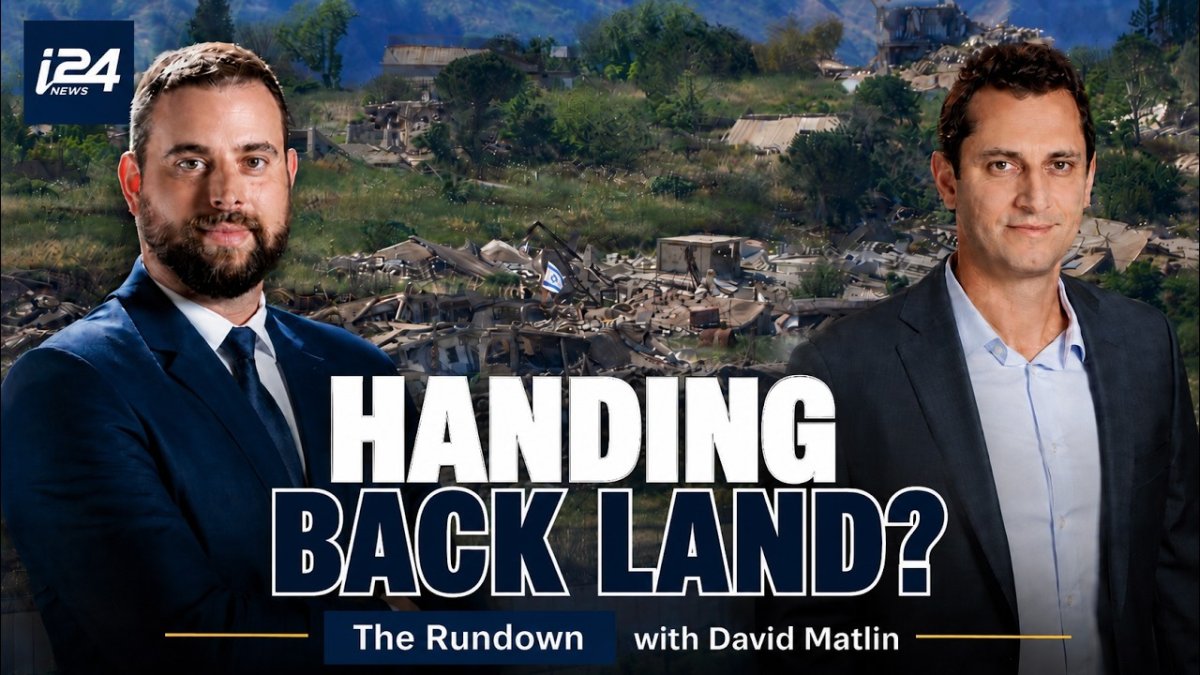
In a recent i24NEWS English report titled "Talks between Israel and Lebanon continue to discuss handing land over to the Lebanese government," the delegations from Israel and Lebanon convened in Washington on June 23-24 to examine a US-backed plan for Israeli forces to vacate select areas in southern Lebanon. The proposal centers on pilot zones where vetted Lebanese army units would assume exclusive control, marking a concrete step in post-conflict arrangements following the 2024-2025 war with Hezbollah.
Pilot Zones Model Under Active Review
The pilot zones concept requires Lebanese army units, trained and vetted by US personnel, to take sole authority over designated patches of territory south of the Litani River. Lebanese President Joseph Aoun stated that these model areas remain under discussion pending final Israeli approval. Israeli Ambassador to the US Yechiel Leiter participated directly in the sessions, conveying Jerusalem's conditions for any handover.
Under the framework, Israel would keep a military presence in a defined buffer zone along the border to address immediate security threats. This arrangement aims to prevent Hezbollah fighters from re-entering cleared sectors while allowing the Lebanese army to demonstrate operational capacity in limited spaces.
Aftermath of 2024-2025 War Shapes Current Terms
The current talks build directly on the 2024-2025 conflict in which the IDF conducted operations against Hezbollah infrastructure across southern Lebanon, including positions in villages near the border such as Maroun al-Ras and Khiam. Iran has worked since the ceasefire to rebuild Hezbollah capabilities through weapons shipments and financial support routed via Syria. Israeli security officials view the pilot zones as a test of whether the Lebanese state can prevent renewed militia entrenchment.
The Lebanese army previously held an opportunity in 2025 to disarm Hezbollah positions but did not execute the required operations. That failure left Israeli planners skeptical about broader Lebanese army effectiveness without sustained external pressure and verification mechanisms.
Israeli Security Requirements in Buffer Zone
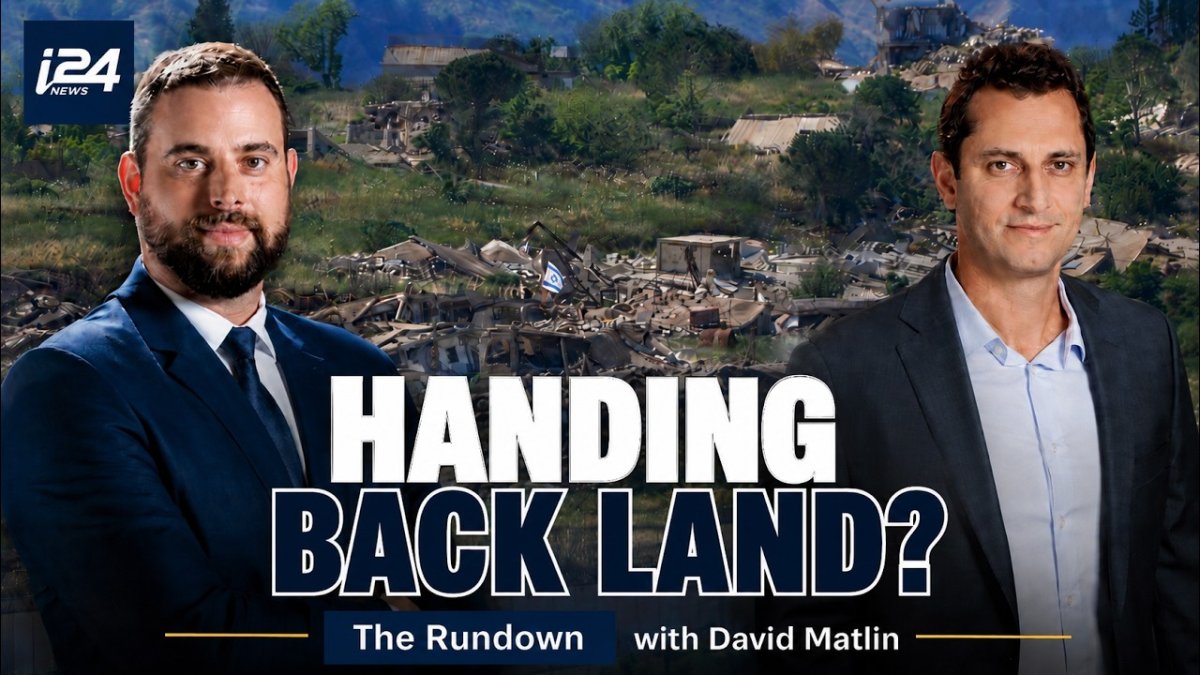
Israeli representatives emphasized that any territory transferred must exclude Hezbollah return. The buffer zone retained under IDF oversight would stretch along the entire length of the Israel-Lebanon frontier, monitored by additional surveillance assets and rapid-response units. This setup addresses concerns that partial withdrawals could expose communities in northern Israel, including Metula and Kiryat Shmona, to renewed rocket fire.
Foreign Ministry officials in Jerusalem noted that past UNIFIL deployments failed to block Hezbollah rearmament. The pilot zones therefore include explicit verification protocols involving US trainers who would report directly on Lebanese army performance.
Lebanese Political Dynamics and Aoun Statement
President Joseph Aoun confirmed the model areas concept during consultations with US envoys. Lebanese army command has identified specific units for potential deployment, though questions persist about their ability to operate independently of Hezbollah political influence in Beirut. The talks occur against a backdrop of Lebanese economic fragility and internal divisions that have historically limited central government authority south of the Litani.
Israeli analysts point out that Hezbollah retains parliamentary seats and veto power within Lebanese institutions, complicating any genuine disarmament effort. The pilot zones therefore serve as a limited experiment rather than a comprehensive solution.
FDD Analysis Highlights US Policy Choices
An analysis by the Foundation for Defense of Democracies examined whether Washington will restrain Israeli operations or instead press for full dismantling of Hezbollah's militia structure. The report questioned US willingness to enforce strict benchmarks on Lebanese army performance before further territory transfers occur. Israeli officials have cited the FDD assessment in internal briefings as evidence that sustained American backing remains essential for any durable arrangement.
Shin Bet assessments shared with the Prime Minister's Office indicate Hezbollah continues low-level reconstitution efforts in areas not yet cleared. This intelligence reinforces Israel's insistence on maintaining the buffer zone regardless of pilot zone outcomes.
Regional Implications for Iran and Hezbollah
Iran's efforts to salvage Hezbollah as a forward proxy face direct tests in these Washington talks. Successful pilot zones could reduce Hezbollah's operational space near the border and limit its ability to threaten Israeli territory. Conversely, weak enforcement would allow Iran to claim the Lebanese army serves as a cover for militia recovery.
Israeli defense planners continue to coordinate with the IDF Northern Command on contingency operations should the Lebanese army fail to hold the pilot zones. Daily life in border communities remains shaped by these unresolved security variables, with residents awaiting concrete signs that Hezbollah infrastructure has been permanently removed.
By Hannah Berg, Staff WriterThis article was produced with AI-assisted research and editorial support. Reporting is based on sources cited in the article.
What's Your Reaction?
 Like
0
Like
0
 Dislike
0
Dislike
0
 Love
0
Love
0
 Funny
0
Funny
0
 Wow
0
Wow
0
 Sad
0
Sad
0
 Angry
0
Angry
0
Israel Correspondent at Global1.News. Based in Tel Aviv, covering Israeli politics, security, technology, and society. Provides balanced, deeply-sourced reporting on one of the most closely-watched regions in the world.










Comments (0)