
WHO Warns Canada as Ebola Cases Surpass 1,000 in DRC and Uganda Outbreak
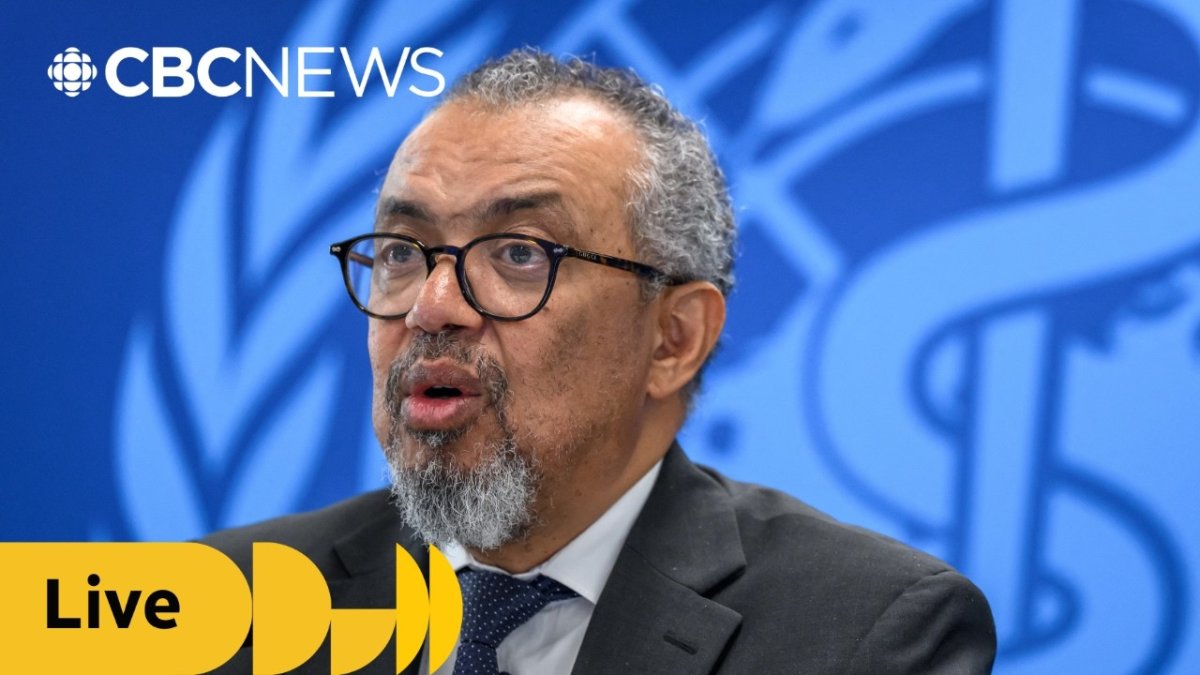
WHO Director-General Outlines Urgent Response to Bundibugyo Ebola Outbreak In a briefing delivered on June 24, 2026, WHO Director-General Tedros Adhanom Ghebreyesus detailed the rapid spread of the Bundibugyo ebolavirus across the Democratic Republic of Congo and Uganda, noting that the outbreak declared on May 15, 2026, has already produced 1,048 confirmed cases and 267 confir
WHO Director-General Outlines Urgent Response to Bundibugyo Ebola Outbreak
In a briefing delivered on June 24, 2026, WHO Director-General Tedros Adhanom Ghebreyesus detailed the rapid spread of the Bundibugyo ebolavirus across the Democratic Republic of Congo and Uganda, noting that the outbreak declared on May 15, 2026, has already produced 1,048 confirmed cases and 267 confirmed deaths as of June 22.
Tedros stated that 371 patients remain hospitalized and that 45 new confirmed cases along with 13 new deaths were recorded in the most recent reporting period, underscoring the need for immediate expansion of laboratory capacity and contact tracing operations in Ituri Province and North Kivu Province.
Outbreak Declared Public Health Emergency of International Concern
The World Health Organization declared a Public Health Emergency of International Concern on May 17, 2026, two days after the initial confirmation of Bundibugyo ebolavirus transmission in the Democratic Republic of Congo and neighbouring Uganda, marking the first such declaration for this specific strain since the virus was identified in 2007.
No approved vaccine or targeted antiviral treatment exists for Bundibugyo ebolavirus, distinguishing this outbreak from the Zaire ebolavirus events that benefited from the rVSV-ZEBOV vaccine during the 2018-2020 Eastern DRC response that claimed more than 2,200 lives.
Tedros visited the city of Bunia in Ituri Province on May 30, 2026, to assess field operations and coordinate with DRC health authorities on the seventeenth Ebola outbreak recorded in that country since 1976, an event that began five months after the previous outbreak concluded in December 2025.
Canada Implements Targeted Border and Immigration Controls
Global Affairs Canada announced on May 28, 2026, an immediate funding package to support outbreak response activities in the Democratic Republic of Congo, Uganda, and South Sudan through established international health partnerships coordinated by the World Health Organization.
The Public Health Agency of Canada introduced enhanced entry screening measures for travellers arriving from affected regions, effective from May 30, 2026, through August 29, 2026, requiring health questionnaires and temperature checks at major Canadian airports including Toronto Pearson and Vancouver International.
Immigration, Refugees and Citizenship Canada suspended processing of new permanent residence and temporary visa applications from the Democratic Republic of Congo, South Sudan, and Uganda effective immediately, with the suspension scheduled to remain in place until August 25, 2026, to allow federal officials to reassess public health risks.
The Government of Canada issued a Level 2 travel health notice advising citizens to practise enhanced health precautions, while the Public Health Agency of Canada maintained its overall risk assessment at low for the Canadian population given the absence of any confirmed cases within the country.
Operational Challenges Slow Containment Efforts in Ituri and North Kivu
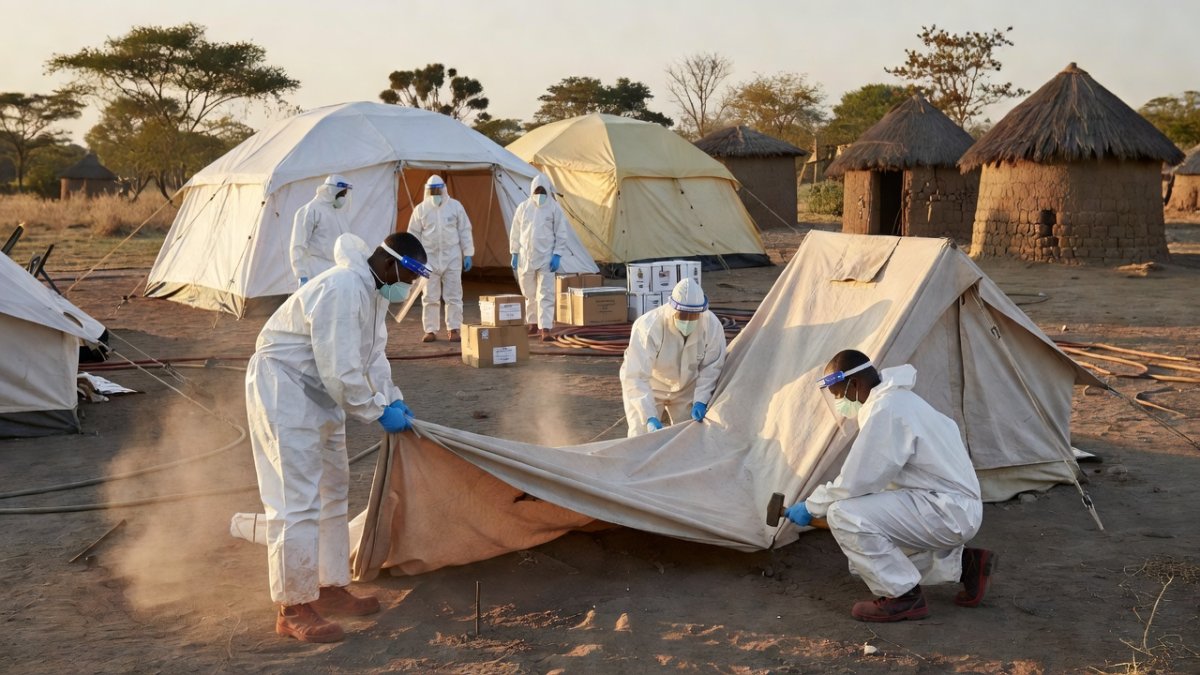
Tedros described the current response as one of "catching up," citing insufficient laboratory infrastructure, incomplete contact tracing coverage, and persistent community mistrust in remote and densely populated zones of Ituri Province and North Kivu Province where the majority of the 1,048 confirmed cases have been concentrated.
Imported cases detected in Uganda have required cross-border coordination between Ugandan health authorities and DRC provincial teams, complicated by ongoing insecurity and large-scale population displacement that has hindered the establishment of reliable isolation and treatment centres.
Canadian support through Global Affairs Canada funding targets these specific gaps by financing mobile laboratory units and community engagement teams trained to address local concerns about infection control practices that have historically reduced cooperation during previous Ebola events.
Historical Ebola Events Inform Current Canadian Preparedness
The 2014-2016 West Africa outbreak that resulted in more than 11,000 deaths prompted Canada to strengthen its national biosafety protocols and invest in the Public Health Agency of Canada's National Microbiology Laboratory in Winnipeg, capabilities now being leveraged to monitor any potential importation of Bundibugyo ebolavirus.
Lessons from the 2018-2020 Eastern DRC outbreak, which produced 2,200 deaths, led Canadian officials to develop clearer federal-provincial communication channels for rapid deployment of quarantine orders and contact tracing resources under the Quarantine Act, measures that remain available should the current situation deteriorate.
Impact on Canadian Healthcare System and Provincial Health Authorities
Although the Public Health Agency of Canada assesses the direct risk to Canadians as low, provincial health authorities in Ontario, Quebec, and British Columbia have received updated guidance on isolation protocols and personal protective equipment stockpiles to ensure readiness for any traveller presenting symptoms after arriving from the affected region before August 29, 2026.
Medicare-funded hospitals maintain existing infection prevention standards that proved effective during previous global health events, yet federal officials continue to monitor supply chains for additional Ebola-specific protective equipment should case numbers in Canada rise above the current zero.
Canada's International Obligations and Future Policy Considerations
Canada's participation in the WHO-coordinated response reflects long-standing commitments under the International Health Regulations, which require member states to support containment efforts in countries lacking sufficient domestic resources, a principle applied consistently since the 2005 revision of those regulations.
The temporary suspension of immigration processing by Immigration, Refugees and Citizenship Canada until August 25, 2026, balances public health protection with Canada's tradition of orderly refugee resettlement, ensuring that any future resumption incorporates enhanced medical screening without indefinite disruption to Express Entry streams.
By aligning its funding announcement of May 28, 2026, with WHO operational priorities, Canada contributes to global efforts that ultimately reduce the likelihood of wider international spread, thereby protecting both domestic healthcare capacity and the country's reputation for evidence-based global health leadership.
By Alex Thompson, Staff Writer
This article was produced with AI-assisted research and editorial support. Reporting is based on sources cited in the article.
What's Your Reaction?
 Like
0
Like
0
 Dislike
0
Dislike
0
 Love
0
Love
0
 Funny
0
Funny
0
 Wow
0
Wow
0
 Sad
0
Sad
0
 Angry
0
Angry
0

Canada Correspondent at Global1.News. Based in Toronto, covering Canadian politics, energy, trade, and US-Canada relations. Provides the Canadian perspective on North American and global affairs.















Comments (0)