
Iran-US Conflict: Missile Strikes, Blockade and the UK's Stake in Gulf Security
US Forces Intercept Iranian Missiles Targeting Gulf Allies The US military confirmed on Friday that it had intercepted six Iranian ballistic missiles directed at American positions in Kuwait and Bahrain. A seventh missile failed to reach its target. US Central Command reported no harm to American personnel following the launches attributed to Iran's Revolutionary Guard Corps. I
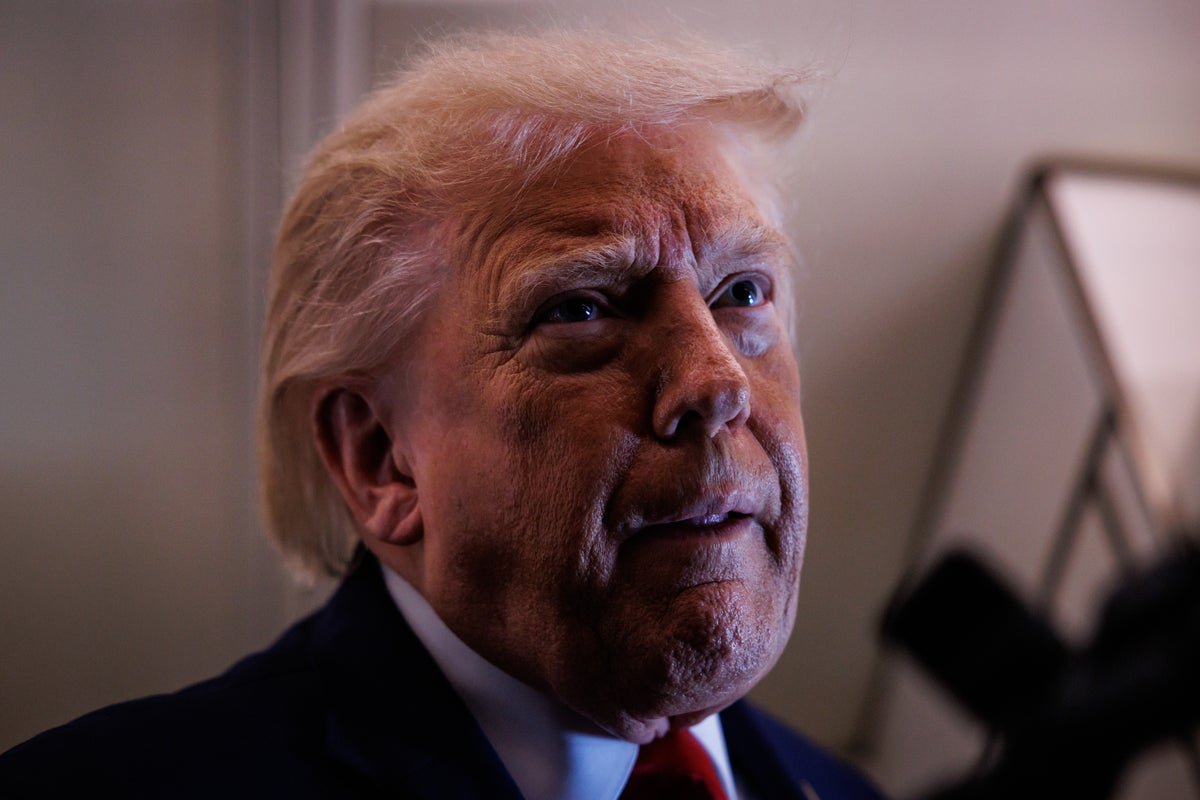
US Forces Intercept Iranian Missiles Targeting Gulf Allies
The US military confirmed on Friday that it had intercepted six Iranian ballistic missiles directed at American positions in Kuwait and Bahrain. A seventh missile failed to reach its target. US Central Command reported no harm to American personnel following the launches attributed to Iran's Revolutionary Guard Corps.
Iranian state media indicated that the Revolutionary Guard had aimed at the Ali Al Salem airbase in Kuwait, which hosts US forces, and at the US Navy's 5th Fleet headquarters in Bahrain. Kuwaiti forces also reported intercepting missiles and drones, while Bahrain activated air raid sirens and directed residents to safe locations.
American Strikes on Iranian Radar Sites Along the Strait of Hormuz
Hours before the ballistic missile launches, US forces shot down four Iranian attack drones approaching the Strait of Hormuz. US Central Command stated that the drones posed an immediate threat to regional maritime traffic. American units then struck Iranian coastal surveillance radar sites in Goruk and on Qeshm Island to prevent further attacks.
The strait remains a critical passage for global oil shipments. The ongoing US naval blockade has already redirected 129 commercial vessels and disabled six others to enforce compliance, according to Central Command statements released on Friday.
Blockade Effects on Oil Supplies and Potential UK Energy Costs
Oil industry executives have privately warned the White House that closure of the Strait of Hormuz is placing pressure on global inventories. Roughly 34 percent of the world's oil passes through the waterway, and disruption has already contributed to elevated fuel prices for American consumers over the past three months.
Britain, as a key US ally with established naval facilities at HMS Juffair in Bahrain, maintains a direct stake in Gulf maritime security. Any sustained interruption to tanker traffic through the strait would feed through to higher petrol and diesel costs at UK forecourts, compounding pressures on household budgets and road haulage firms already navigating post-pandemic supply chains.
Whitehall officials have been tracking developments closely, recognising that British energy security is tied to stable flows from the Gulf. The Bank of England will monitor any sustained rise in global crude prices for its impact on inflation targets.
Trump Statements on Uranium, Blockade and War Conclusion
President Donald Trump told reporters in the Oval Office that Washington could secure Iran's enriched uranium without a ceasefire agreement. He described the material as "entombed" and stated there was no reason to pursue it immediately. At an event in Wisconsin on Friday, Trump praised the naval blockade as unprecedented and claimed the United States possesses the greatest military in the world.
Trump also asserted that the United States had "largely finished" its campaign against Iran's nuclear ambitions. He suggested the conflict would conclude either through a peace deal or "a more difficult way", while emphasising that preventing a nuclear-armed Iran had been a shared international objective.
Lebanese President Accuses Iran of Using Country as Bargaining Chip
Lebanon's president, Joseph Aoun, told CNN that Iran is treating his country as a negotiating tool in talks with the United States. Speaking from the presidential palace in Beirut, Aoun said Lebanese citizens are "fed up" with the conflict involving the Iranian-backed Hezbollah militia and that ordinary people are paying the price for external interests.
Although Israel and Lebanon have agreed to pause fighting, Hezbollah has objected to the arrangement. Aoun's remarks underscore how the wider Iran-US confrontation continues to destabilise neighbouring states even as direct clashes between Israel and Hezbollah ease.
UK Diplomatic Position and Regional Security Commitments
London has long viewed stability in the Gulf as essential to both energy supplies and the safety of British personnel stationed alongside American forces. With HMS Juffair providing a forward operating base in Bahrain, any escalation near the 5th Fleet headquarters directly touches UK operational planning.
Westminster sources indicate that ministers are coordinating with Washington on maritime protection measures while urging de-escalation to avoid further spikes in global energy costs. The Supreme Court and devolved administrations in Scotland, Wales and Northern Ireland have no direct role, yet the economic consequences of higher fuel prices would be felt across all parts of the United Kingdom.
Analysts in Whitehall note that the current combination of ballistic missile exchanges, drone interceptions and blockade enforcement creates a fluid situation whose longer-term effects on oil markets remain uncertain. British diplomats continue to emphasise the importance of protecting international shipping lanes without unnecessary escalation.
By Erica Thornton, Staff WriterThis article was produced with AI-assisted research and editorial support. Reporting is based on sources cited in the article.
What's Your Reaction?
 Like
0
Like
0
 Dislike
0
Dislike
0
 Love
0
Love
0
 Funny
0
Funny
0
 Wow
0
Wow
0
 Sad
0
Sad
0
 Angry
0
Angry
0

US Politics and Policy Correspondent at Global1.News. Based in Washington DC, covering American politics, policy, elections, and the courts. Knows how the system works and tells you what it actually means.














Comments (0)