
Investigation Uncovers Coordinated Moves on Al-Aqsa Custodianship
Investigation Uncovers Coordinated Moves on Al-Aqsa Custodianship An exclusive investigation by Middle East Eye has brought to light efforts by the United States and Israel aimed at removing Jordan's longstanding custodianship over Al-Aqsa Mosque, Islam's third holiest site in occupied Jerusalem. The reporting describes this development as part of a broader pattern that seeks t
Investigation Uncovers Coordinated Moves on Al-Aqsa Custodianship
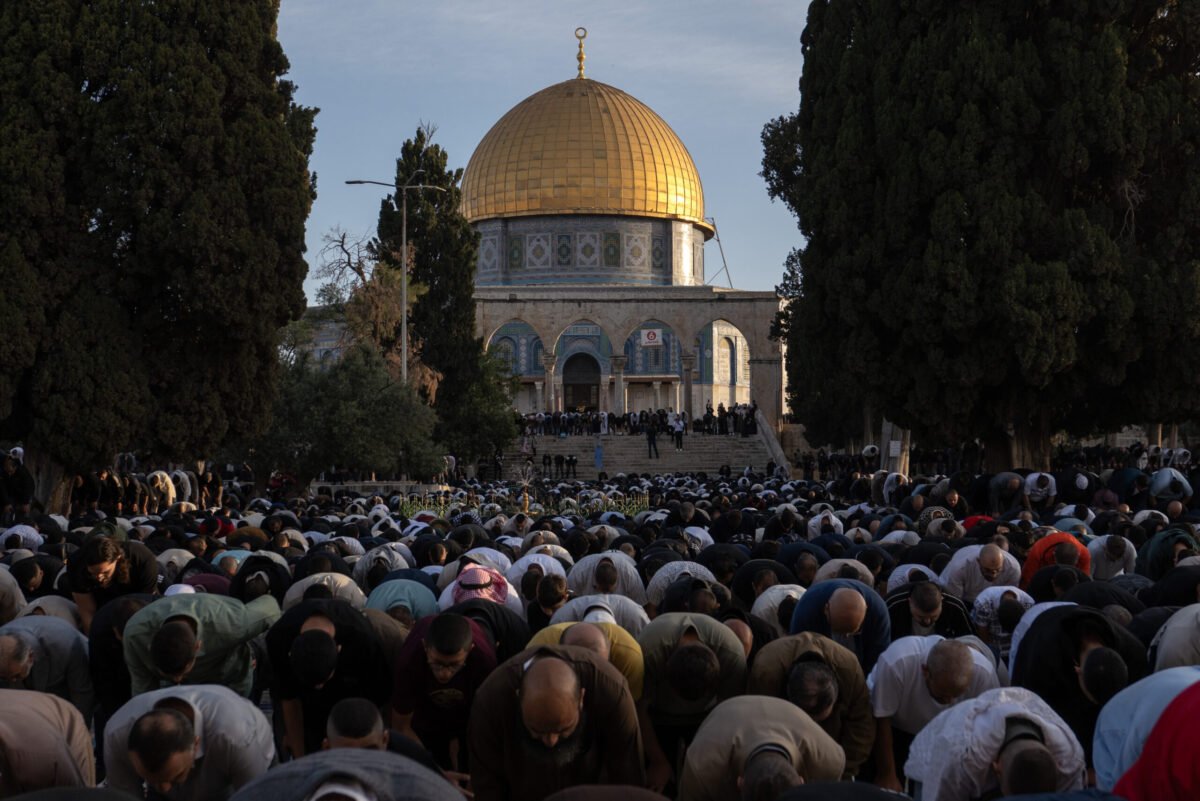
An exclusive investigation by Middle East Eye has brought to light efforts by the United States and Israel aimed at removing Jordan's longstanding custodianship over Al-Aqsa Mosque, Islam's third holiest site in occupied Jerusalem. The reporting describes this development as part of a broader pattern that seeks to diminish the Islamic character of the compound.
Details of the Proposed Administrative Shift
According to the findings, Washington and Tel Aviv have discussed replacing the Jordanian-backed Islamic Waqf with a new body established by Israeli authorities. This entity would reframe Al-Aqsa as a multi-faith centre, extend equal access provisions to Jewish visitors, and allow Israeli officials to influence the appointment of imams along with oversight of Friday sermon content. The Trump administration has expressed interest in presenting the site as a shared tourist destination for the three Abrahamic faiths.
Incremental Changes to Longstanding Arrangements
The current discussions build on earlier steps that have gradually altered the status quo at the compound. A 2025 report by the Israeli monitoring group Ir Amim documented a sharp increase in Jewish visits to the Aqsa compound, often accompanied by Israeli police presence. Researcher Aviv Tatarsky noted that these actions occur under the framing of religious connection while steadily expanding control over the site.
Effects on Palestinian Access and Daily Worship
Restrictions have reduced the number of worshippers able to reach Al-Aqsa for Friday prayers from hundreds of thousands to only a few thousand in recent periods. In the past year alone, more than 600 Palestinians have faced entry bans, thirty Waqf employees have lost permits, and six imams have been prevented from leading prayers. Senior imam Ekrima Sabri described these measures as unprecedented steps intended to assert greater authority over the compound.
Regional Reactions and Recent Incursions
Eight Arab and Islamic states issued statements condemning the forty-day closure of Al-Aqsa during Israel's military actions involving Iran. In recent weeks, Israeli ministers and members of parliament conducted large-scale entries into the compound, with one lawmaker publicly calling for its replacement by a Jewish temple. Additional developments include the hoisting of Israeli flags inside the site and the advancement of property confiscations near Chain Gate street.
Al-Aqsa's Place in Palestinian and Islamic Life
Al-Aqsa remains the first qibla in Islamic tradition and the location associated with the Prophet Muhammad's Night Journey and Ascension. For Palestinians in Jerusalem and the surrounding areas, the compound continues to serve as a central point of religious practice, cultural continuity, and community gathering amid ongoing pressures on daily movement and access.
By Fatima Al-Rashid, Staff WriterThis article was produced with AI-assisted research and editorial support. Reporting is based on sources cited in the article.
What's Your Reaction?
 Like
0
Like
0
 Dislike
0
Dislike
0
 Love
0
Love
0
 Funny
0
Funny
0
 Wow
0
Wow
0
 Sad
0
Sad
0
 Angry
0
Angry
0

Gulf/MENA Correspondent at Global1.News. Based in Doha, covering Gulf politics, energy markets, diplomacy, and development across the Middle East and North Africa. Tracks the economic transformation of the Gulf states.














Comments (0)