
Hamas Delegation Arrives in Cairo for Gaza Ceasefire Talks — Phase 2 Implementation on the Line
The Arrival of the Hamas Delegation in Cairo A senior delegation from Hamas reached Cairo on Friday evening to engage with Egyptian officials on advancing the ceasefire agreement in the Gaza Strip. The group is led by Khalil al-Hayya, who serves as the movement's leader in Gaza and head of its negotiating team. According to a Hamas statement, the delegation also includes Zaher
The Arrival of the Hamas Delegation in Cairo
A senior delegation from Hamas reached Cairo on Friday evening to engage with Egyptian officials on advancing the ceasefire agreement in the Gaza Strip. The group is led by Khalil al-Hayya, who serves as the movement's leader in Gaza and head of its negotiating team. According to a Hamas statement, the delegation also includes Zaher Jabarin, the movement's leader in the occupied West Bank, along with political bureau members Husam Badran and Ghazi Hamad. The talks are scheduled to begin on Saturday and continue for several days, focusing on completing remaining elements of the first phase and preparing mechanisms for the second phase.
Egyptian mediators have hosted multiple rounds of discussions since the ceasefire took effect. The current visit centers on halting repeated Israeli attacks and establishing clear steps toward the next stage of the agreement. Palestinian sources describe the negotiations as essential for ensuring that commitments on withdrawals and security arrangements move forward without further delays.
Ongoing Israeli Violations Despite the Ceasefire
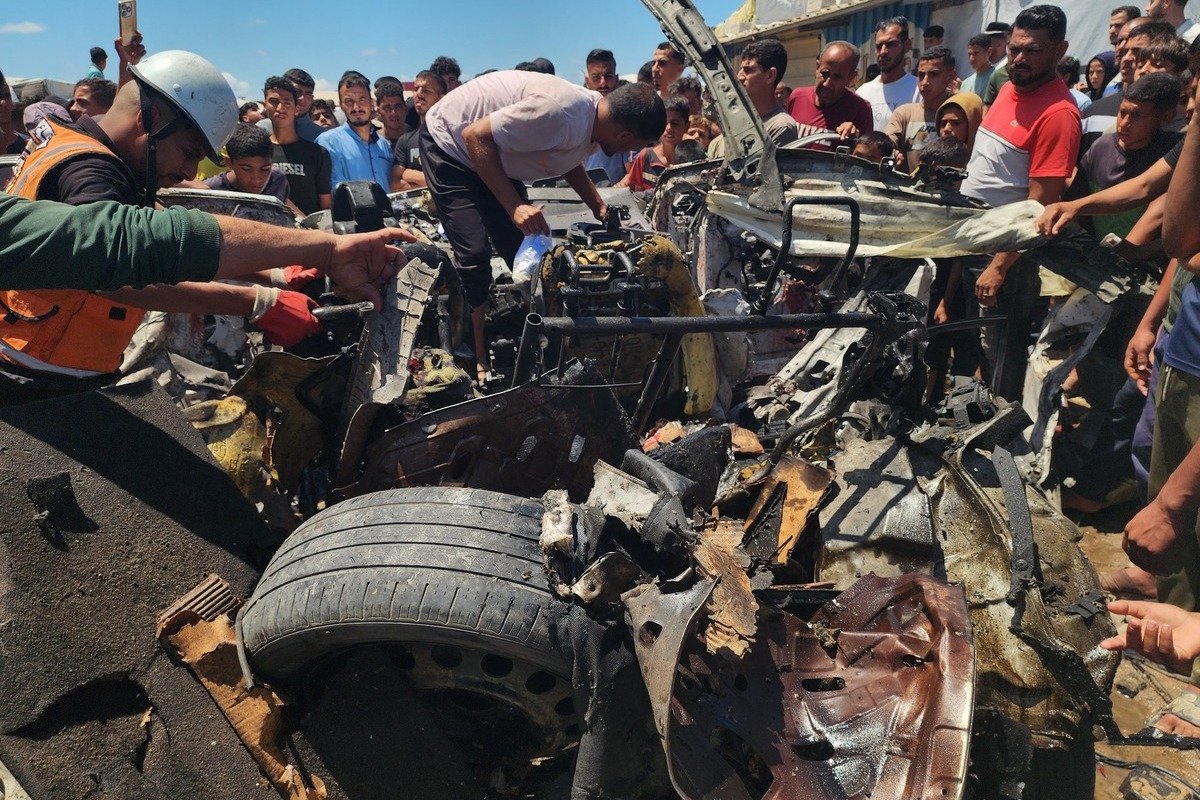
Palestinian sources report that Israeli forces have continued to violate the ceasefire agreement on a near-daily basis since it took effect on October 10, 2025. These incidents include airstrikes and ground operations that have resulted in additional Palestinian casualties. The first phase of the agreement called for a full cessation of hostilities and a prisoner exchange, yet attacks have persisted in multiple areas of the Gaza Strip.
Local residents describe the situation as one of persistent insecurity, where families remain uncertain about the safety of their homes and neighborhoods. The violations have complicated efforts to deliver humanitarian aid and begin basic reconstruction in heavily damaged districts. Egyptian officials involved in mediation have been urged to address these breaches directly during the Cairo meetings.
The Human Cost of the War in Gaza
Israel's military campaign in Gaza since October 2023 has killed nearly 73,000 Palestinians and injured more than 173,000 others, with the majority of victims being women and children. Even after the ceasefire began, at least 947 Palestinians have been killed and 2,935 injured in near-daily attacks, according to Palestinian sources. These figures reflect the sustained impact on civilian life across the territory.
Communities in northern and southern Gaza continue to face shortages of medical supplies and shelter. Hospitals operating under strained conditions report increased demand for treatment of injuries sustained in recent incidents. The loss of life has affected extended family networks that form the core of social support in Palestinian society, leaving many households without primary providers.
Key Figures and Their Roles in the Negotiations
Khalil al-Hayya brings extensive experience from previous rounds of talks and maintains direct connections to conditions inside Gaza. Zaher Jabarin contributes perspectives from the occupied West Bank, where similar pressures from occupation policies affect daily movement and economic activity. Husam Badran and Ghazi Hamad add political bureau oversight to ensure alignment with broader movement positions on prisoner releases and territorial withdrawals.
The composition of the delegation reflects an emphasis on coordination between Gaza-based leadership and representatives familiar with conditions in the West Bank. This approach aims to address both immediate ceasefire implementation and longer-term arrangements that could influence security dynamics across Palestinian territories.
What Phase Two Means for Gaza's Future
Under the second phase, Israel is expected to carry out further withdrawals from Gaza while an international stabilization force assumes security responsibilities. The framework originates from a 20-point plan announced by US President Donald Trump in September, which also calls for the release of Israeli captives, formation of a technocratic administration, and eventual disarmament discussions. Palestinian sources stress that successful entry into this phase depends on verified completion of first-phase commitments.
Residents in Gaza view the second phase as a potential opportunity to reduce the presence of military forces in residential areas and allow greater access for reconstruction materials. Local governance structures could gain space to address immediate needs such as water, electricity, and housing if withdrawal timelines are met. Mediators in Cairo are tasked with clarifying the operational details of the international force and its coordination with Palestinian authorities.
Political Stakes for Palestinians Under Occupation
The Cairo talks carry significant weight for Palestinians living under occupation and displacement, as outcomes will influence daily realities in both Gaza and the West Bank. Successful implementation could open pathways for technocratic administration and reduced hostilities, yet persistent violations risk undermining trust in the process. Historical patterns of stalled agreements have left communities wary of timelines that remain subject to external pressures.
Palestinian voices emphasize the need for mechanisms that prioritize civilian protection and accountability for breaches. The involvement of Egyptian mediators provides a regional channel that has historically facilitated indirect communication, though results depend on consistent adherence from all parties. Figures were not immediately available on the exact number of remaining first-phase steps still pending verification.
Broader regional dynamics, including economic constraints in Gaza and movement restrictions in the West Bank, intersect with the ceasefire talks. Families displaced multiple times since 2023 continue to seek stable conditions that would allow return to original areas or access to employment. The negotiations in Cairo represent one effort to translate agreement terms into tangible improvements in security and living standards.
By Fatima Al-Rashid, Staff WriterThis article was produced with AI-assisted research and editorial support. Reporting is based on sources cited in the article.
What's Your Reaction?
 Like
0
Like
0
 Dislike
0
Dislike
0
 Love
0
Love
0
 Funny
0
Funny
0
 Wow
0
Wow
0
 Sad
0
Sad
0
 Angry
0
Angry
0

Middle East Correspondent at Global1.News. Based in Beirut, covering politics, conflict, energy, and society across the Middle East. Brings context and depth to a region often reduced to headlines.













Comments (0)