
Trump Threatens Force Against Oman Amid Strait of Hormuz Toll Dispute
In a recent Middle East Eye report, footage captures the growing alarm in Muscat as US President Donald Trump escalates rhetoric against Oman for its potential cooperation with Iran on transit fees through the Strait of Hormuz, a move framed within the ongoing US-Iran war dynamics that have already brought direct strikes and shattered earlier mediation attempts. Trump Threatens
In a recent Middle East Eye report, footage captures the growing alarm in Muscat as US President Donald Trump escalates rhetoric against Oman for its potential cooperation with Iran on transit fees through the Strait of Hormuz, a move framed within the ongoing US-Iran war dynamics that have already brought direct strikes and shattered earlier mediation attempts.
Trump Threatens Force Against Oman Amid Strait of Hormuz Toll Dispute
Muscat, Oman – June 6, 2026 — US President Donald Trump has issued a direct warning to Oman, stating that the country would face military action if it assists Iran in imposing fees on vessels passing through the Strait of Hormuz as part of any settlement to end the current war. The threat underscores Washington's determination to maintain open access to the vital waterway while exposing fractures in long-standing regional alliances.
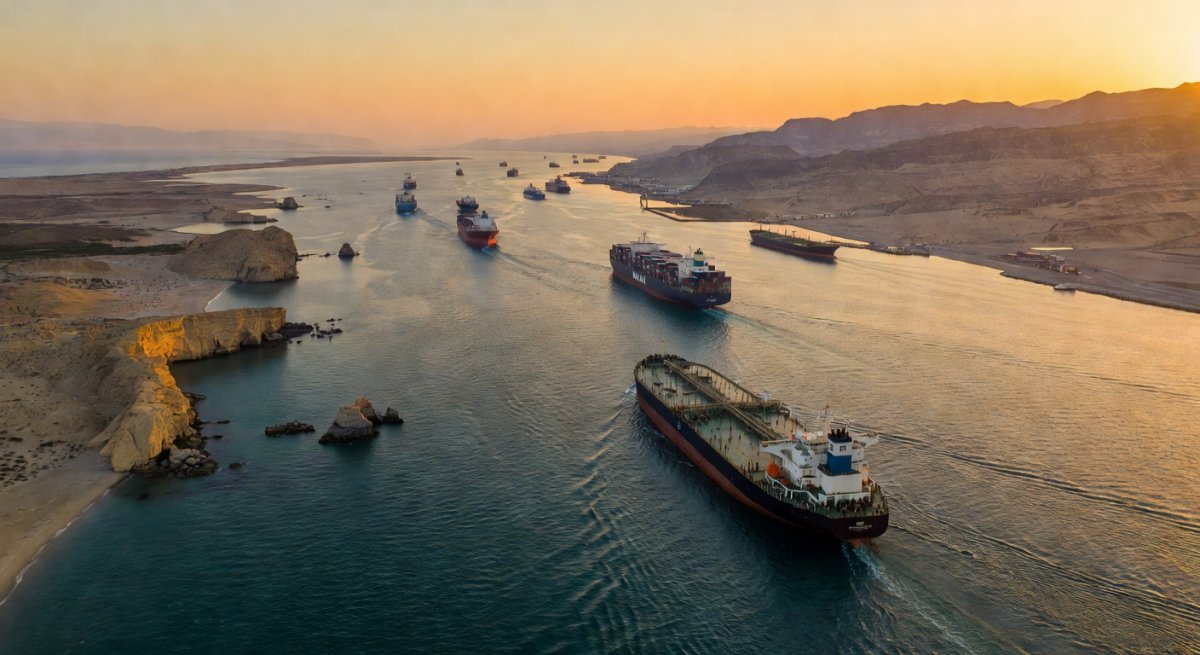
The Core of the Dispute
Trump declared that the strait must remain open to all traffic without restriction. He emphasized that Oman, sharing territorial waters with Iran in the narrow passage, would have to comply or face consequences. Iran has advocated for toll mechanisms as a potential outcome in war-ending negotiations, with its ambassador to France, Mohammad Amin-Nejad, confirming ongoing discussions with Oman on implementation through measures such as piloting fees.
Oman's Unique Geographic and Diplomatic Position
Oman controls one side of the 21-nautical-mile-wide strait at its narrowest point. Under the UN Convention on the Law of the Sea, coastal states may not impede transit passage or impose tolls. Legal experts note that cooperative arrangements between Oman and Iran could allow service-based charges, though the United States, not a signatory to the convention, has rejected such interpretations outright. Omani officials have historically used their position to facilitate dialogue rather than confrontation.
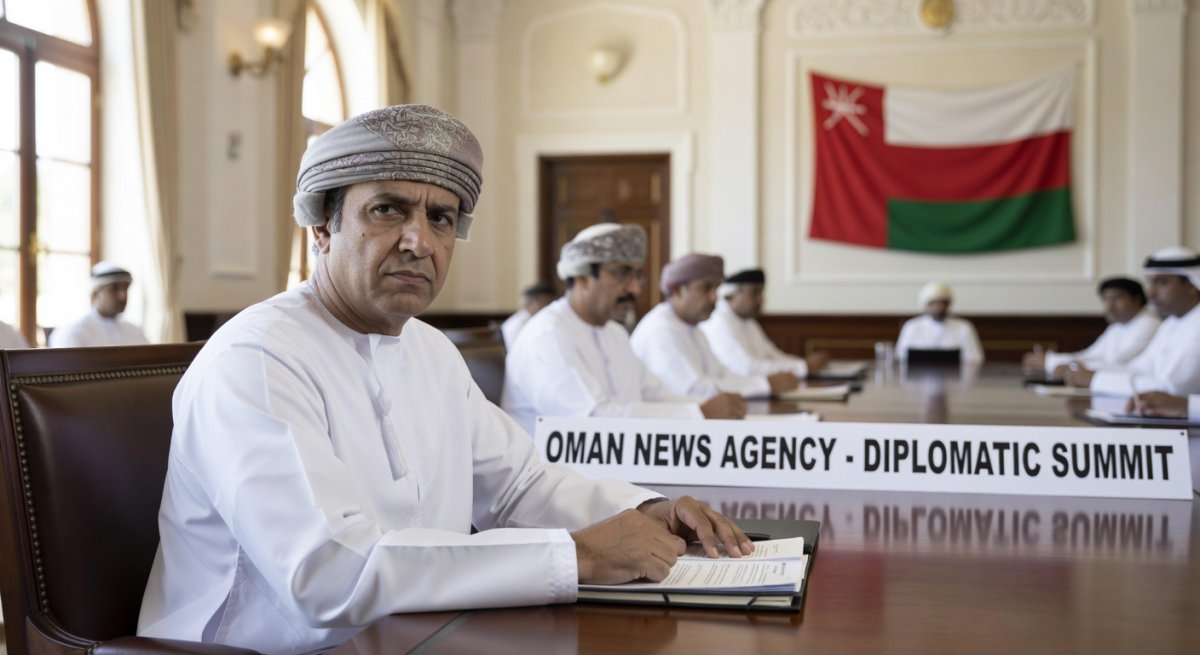
History of Mediation Efforts
Muscat served as the primary channel for talks before the June 2025 Israeli attack on Iran conducted with US support, when negotiations had been scheduled in Oman. Omani Foreign Minister Sayyid Badr bin Hamad Albusaidi appealed publicly on CBS News for additional time to pursue diplomacy ahead of the February 28 US-Israeli strikes that initiated the war. In March, Albusaidi wrote in The Economist that America had lost control of its own foreign policy, a statement that reportedly frustrated multiple US officials.
US-Oman Relations and Recent Pressures
Diplomatic ties between the United States and Oman date to 1790, the oldest such relationship in the region. While Washington maintains no permanent bases in Oman, it holds access rights to Duqm Port. Reports indicate the Trump administration has also considered sanctions against Oman. Oman's consistent calls for restraint have clashed with the current US approach, which multiple officials described as irritation over Muscat's public messaging.
Human Impact on Daily Life in the Region
Residents along Oman's coast depend on stable maritime traffic for employment in ports, fishing communities, and related industries. Any escalation risks disrupting these livelihoods and raising costs for essential goods across the Gulf. Such instability compounds pressures felt by families already navigating economic uncertainty, echoing the broader pattern of how distant policy decisions ripple into civilian homes throughout the Middle East.
Analysis and Implications
The confrontation over the Strait of Hormuz illustrates how control of energy routes continues to shape alliances and hostilities, with Oman caught between its tradition of neutrality and external demands. Threats of force against a long-time partner risk further isolating diplomatic voices essential for de-escalation. For populations across the region, including those enduring occupation and displacement in Palestine, renewed conflict over maritime access threatens to prolong suffering by diverting resources and attention from pathways to negotiated peace. Sustained pressure on mediators like Oman narrows the space for dialogue at a moment when civilian safety requires its expansion.
By Fatima Al-Rashid, Staff Writer
This article was produced with AI-assisted research and editorial support. Reporting is based on sources cited in the article.
What's Your Reaction?
 Like
0
Like
0
 Dislike
0
Dislike
0
 Love
0
Love
0
 Funny
0
Funny
0
 Wow
0
Wow
0
 Sad
0
Sad
0
 Angry
0
Angry
0

Gulf/MENA Correspondent at Global1.News. Based in Doha, covering Gulf politics, energy markets, diplomacy, and development across the Middle East and North Africa. Tracks the economic transformation of the Gulf states.















Comments (0)