
US Iran Strikes Escalate as Ceasefire Collapses Over Hormuz
The collapse of the US-Iran ceasefire has placed the Strait of Hormuz at the center of a rapidly escalating crisis, with CENTCOM conducting precision strikes on Iranian coastal targets. Global energy markets face immediate disruption as one-fifth of world oil trade hangs in the balance, while regional powers weigh the risks of broader involvement. This latest phase threatens to reshape Middle East security dynamics and push Brent crude prices eve
Is the Ceasefire All But Over? CENTCOM's Precision Campaign Reshapes the US-Iran Conflict
Beirut, Lebanon — The US-Iran ceasefire, signed in April and extended by a June memorandum, has collapsed following President Trump's declaration at the NATO summit in Ankara.
Regional Framing
The US-Iran ceasefire that began in April and was extended by a June memorandum has collapsed following President Trump's July 8, 2026 declaration at the NATO summit in Ankara that the temporary truce was over. CENTCOM has since conducted multiple nights of precision strikes against Iranian military targets along the southern coast and near the Strait of Hormuz. This escalation occurs amid longstanding Sunni-Shia competition, with Gulf Arab states watching closely as energy markets and maritime routes face renewed pressure. The conflict, which started with US-Israeli strikes on Iran on February 28, 2026, now threatens broader regional stability involving Turkey's foreign policy calculations and Arab-Israeli normalization efforts.
The Strikes: CENTCOM's Precision Campaign
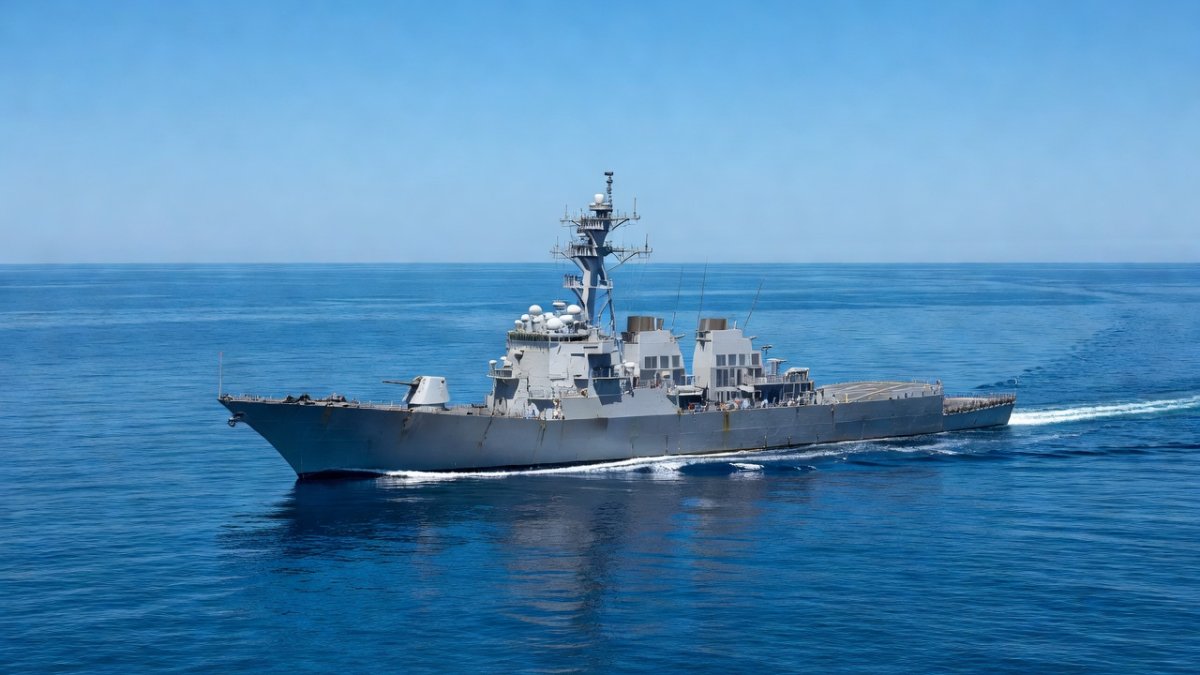
CENTCOM executed a 90-minute precision operation against coastal defense systems, cruise missile storage and launch sites on Greater Tunb Island. US aircraft, drones and naval vessels targeted dozens of military targets near the Strait of Hormuz, including sites on Qeshm Island, Hengam Island, Sirik and Bandar Abbas. In Sistan and Baluchestan province, 13 US missiles struck Bambour Garrison in Iranshahr, killing seven soldiers of the 388th Brigade. Air defenses activated at the Bushehr nuclear plant during strikes on nearby positions. Dehloran water facility in Ilam province also came under attack. These operations reflect a US strategy of degrading Iran's ability to threaten maritime traffic while avoiding full-scale invasion.
CENTCOM's operation relied on a layered strike package that included B-2 Spirit stealth bombers flying from Diego Garcia, Tomahawk cruise missiles launched from Arleigh Burke-class destroyers, and MQ-9 Reaper drones providing persistent surveillance and follow-on strikes. F-35C aircraft from the USS Harry S. Truman carrier strike group conducted suppression of enemy air defenses over Qeshm and Hengam islands. Over the past week these assets have struck more than 300 targets, focusing on coastal anti-ship batteries, IRGC naval command nodes, and ammunition depots. The approach marks a deliberate escalation from the limited tit-for-tat exchanges of 2024-2025, when U.S. responses were confined to single-site retaliations after Houthi or IRGC attacks; the current campaign instead seeks cumulative degradation of Iran's ability to close the Strait.
Precision munitions were paired with electronic warfare to neutralize Iranian radar coverage around Bandar Abbas and Sirik. Dehloran water facility in Ilam province was hit to disrupt logistics supporting forward IRGC units, while Bambour Garrison in Sistan and Baluchestan lost its command infrastructure. Air-defense activations at Bushehr nuclear plant were monitored but not directly engaged, reflecting Washington's continued adherence to avoiding radiological risks. This calibrated tempo allows CENTCOM to maintain pressure without crossing into full-scale invasion, a distinction emphasized by Pentagon officials briefing NATO allies in Ankara.
Compared with earlier cycles, the July 2026 strikes demonstrate improved integration between U.S. naval and air assets, reducing the warning time available to Iranian coastal defenses. The 90-minute window on Greater Tunb Island alone eliminated multiple anti-ship cruise-missile batteries that had been reinforced since the February 2026 exchanges. Regional military analysts note that such concentrated attrition raises the cost for Tehran to reconstitute maritime denial capabilities, yet it also risks accelerating IRGC dispersal into hardened underground sites.
Iran's Retaliatory Response
The IRGC launched retaliatory strikes against US bases in Bahrain at Fifth Fleet headquarters, the Mina Abdullah logistics hub in Kuwait and positions in Jordan. Jordan's military intercepted three Iranian ballistic missiles. Iran's Health Ministry spokesperson Hossein Kermanpour reported over 260 people injured, while government spokesperson Fatemeh Mohajerani stated that more than 30 civilians were killed. The IRGC threatened to close additional export corridors that benefit the US and its allies, stating that regional energy exports are either shared by all or denied to all. This response aims to impose costs on US forward deployments and signal resolve to domestic audiences amid Shia solidarity narratives across the region.
The Strait of Hormuz: Energy Chokepoint at the Center
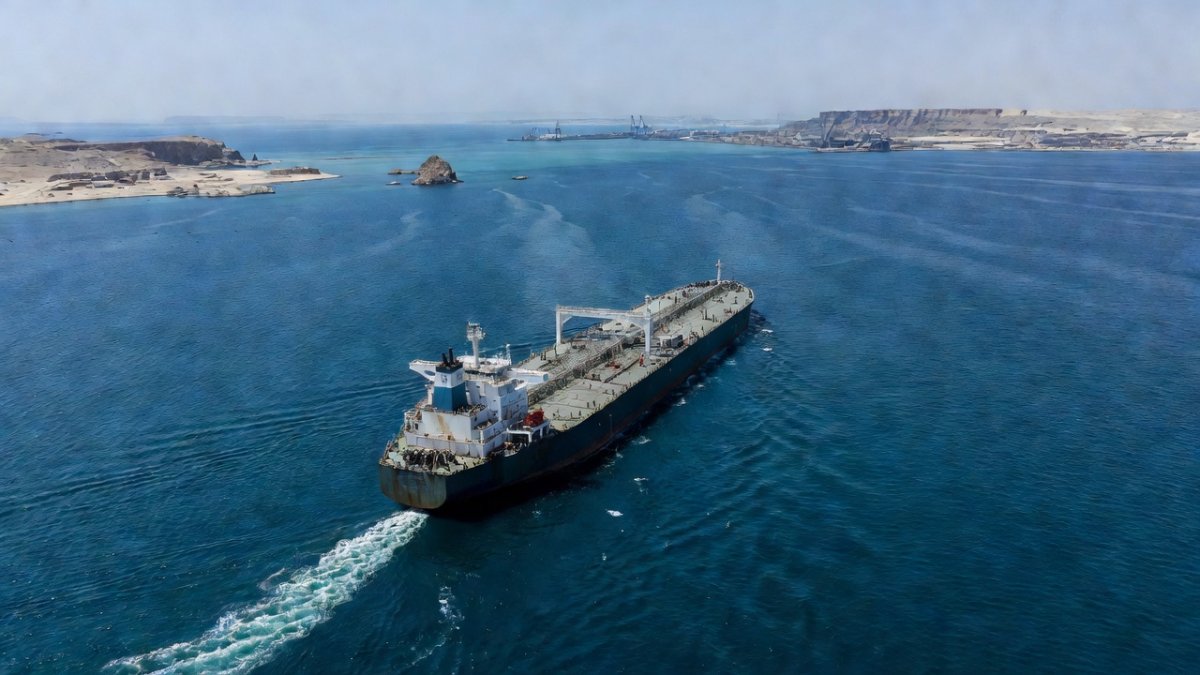
Before the war, roughly one-fifth of global oil and gas passed through the Strait of Hormuz daily. The US reimposed a naval blockade of Iranian ports effective 20:00 GMT on July 14, with 21 US naval vessels operating in the region according to CENTCOM. Brent crude surged to $86.19 per barrel from approximately $70 before the escalation. US Treasury actions froze more than $130 million in cryptocurrency wallets linked to Iran's central bank and sanctioned 50 individuals, entities and vessels in the Iranian oil export network. Gulf states dependent on energy revenues face direct risks to diversification plans, while Sunni Gulf monarchies weigh alignment with US security guarantees against potential Iranian disruption of shared waterways.
OPEC+ production discipline has been upended by the renewed closure threat. Saudi Arabia entered the crisis holding roughly 12 million barrels per day of spare capacity, yet Riyadh has signaled it will release only modest volumes until security guarantees for tankers are restored. The UAE has accelerated ADNOC's Habshan-Fujairah pipeline expansion, now capable of moving 2 million barrels daily outside the Strait, though full utilization requires additional storage and offtake agreements with Asian buyers. Qatar, whose liquefied natural gas exports transit the same waterway, faces less immediate fiscal pressure given its breakeven price near $45 per barrel.
At $86.19 per barrel, Brent crude sits just above Saudi Arabia's fiscal breakeven of approximately $85, squeezing Vision 2030 capital expenditure while leaving the UAE's $65 breakeven comfortably covered. Iranian exports have fallen to near zero under the tightened naval blockade, depriving Tehran of an estimated $40 billion in annual revenue at pre-crisis volumes. Gulf Cooperation Council finance ministries are therefore weighing whether to draw down sovereign wealth reserves or seek bridge financing from international markets until maritime traffic normalizes.
Energy traders are pricing in a risk premium that already exceeds the levels seen during the 2019 attacks on Saudi facilities. Should IRGC mining operations intensify, analysts at the International Energy Agency project that sustained closure beyond 30 days could push prices above $110, triggering emergency stock releases coordinated through the IEA's 90-day reserve mechanism. Gulf states are therefore accelerating diplomatic outreach to Oman and Iraq to explore de-escalation corridors that would protect at least partial tanker traffic.
Diplomatic Paradox: Talking While Fighting
President Trump told Fox News that attacks will continue until he says enough and floated the possibility of hitting energy targets. This approach combines military pressure with the absence of immediate new diplomatic channels, creating a paradox where both sides exchange fire yet maintain limited backchannel awareness through intermediaries. The International Crisis Group has noted that such dynamics risk miscalculation, particularly as Iran seeks to leverage its position in nuclear talks and Gulf states pursue quiet normalization with Israel. The strategic calculus for Washington centers on restoring deterrence without triggering wider involvement from Russia or China, while Tehran calculates that sustained pressure on energy routes can force concessions.
Regional Implications: What Comes Next
If implemented, further US strikes on energy infrastructure could accelerate Gulf diversification away from Hormuz-dependent exports and strengthen calls for alternative pipelines. Sunni-Shia tensions may intensify as Shia communities in Iraq and Lebanon respond to civilian casualties. Turkey's foreign policy may tilt toward mediation to protect its own energy interests and NATO cohesion. Israeli-Palestinian dynamics could shift if Iranian proxies increase activity in response. Great power competition in the region stands to benefit from prolonged instability, as external actors position themselves to fill security or economic gaps left by direct US-Iran confrontation. The coming weeks will test whether limited strikes can restore a functional ceasefire or whether the conflict expands into sustained maritime and energy warfare.
In the best-case trajectory, sustained but limited CENTCOM strikes compel Tehran to accept Omani-mediated talks within three to four weeks, restoring a narrow maritime corridor under international monitoring. Such an outcome would allow Iraq to maintain its precarious neutrality while quietly facilitating back-channel communications between Washington and Tehran. Russia and China could then position themselves as guarantors of a separate economic track, offering reconstruction financing in exchange for Iranian commitments on oil-flow transparency.
The worst-case scenario envisions a full IRGC blockade that closes the Strait for several months, exposing UAE and Bahraini population centers to repeated missile and drone salvos. Jordan's air defenses would face sustained saturation attempts, while Saudi Arabia would confront difficult choices between defending its eastern oil infrastructure and preserving its remaining spare capacity. Oil prices could spike beyond $120, forcing emergency fiscal adjustments across the GCC and accelerating Chinese and Indian efforts to secure long-term supply contracts outside the Gulf.
Oman's Sultanate has already dispatched envoys to both capitals, leveraging its unique access to Iranian decision-makers and U.S. Central Command. Baghdad's government, balancing Shia political constituencies with Sunni and Kurdish economic interests, has declared its ports off-limits to belligerent forces yet struggles to prevent IRGC overflight corridors. Should these mediation tracks fail, the conflict risks drawing in additional external actors whose competing energy and security interests could prolong the crisis well into 2027.
By Malik Hassan, Staff Writer
This article was produced with AI-assisted research and editorial support. Reporting is based on sources cited in the article.
What's Your Reaction?
 Like
0
Like
0
 Dislike
0
Dislike
0
 Love
0
Love
0
 Funny
0
Funny
0
 Wow
0
Wow
0
 Sad
0
Sad
0
 Angry
0
Angry
0

Middle East Correspondent at Global1.News. Based in Beirut, covering politics, conflict, energy, and society across the Middle East. Brings context and depth to a region often reduced to headlines.












Comments (0)