
Should Arab Parties Be Part of Israel's Next Coalition?
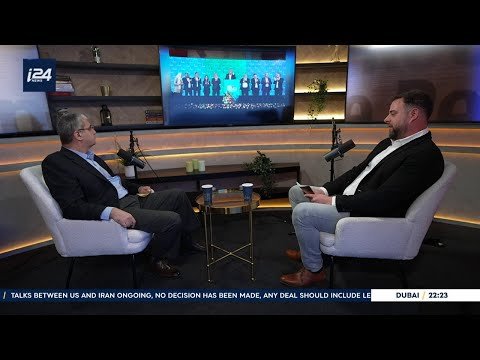
In a recent i24NEWS English report, analysts examined whether Arab parties should enter Israel's next governing coalition ahead of the legislative election scheduled by October 27, 2026. The discussion centered on the four main Arab parties that agreed in January 2026 to revive the Joint List, including Ra'am led by Mansour Abbas, Hadash led by Ayman Odeh, Ta'al led by Ahmad Ti
In a recent i24NEWS English report, analysts examined whether Arab parties should enter Israel's next governing coalition ahead of the legislative election scheduled by October 27, 2026. The discussion centered on the four main Arab parties that agreed in January 2026 to revive the Joint List, including Ra'am led by Mansour Abbas, Hadash led by Ayman Odeh, Ta'al led by Ahmad Tibi, and Balad led by Sami Abu Shehadeh.
Should Arab parties be part of Israeli next coalition? A deep look at the 2026 election dynamics
Jerusalem – June 2026 — The question of Arab party inclusion in Israel's governing coalition has become a central flashpoint ahead of the legislative elections due by October 27, 2026. The debate unfolds against the backdrop of Prime Minister Benjamin Netanyahu's current coalition of Likud, Religious Zionist Party, Otzma Yehudit, Shas, and United Torah Judaism, which excludes all Arab factions.
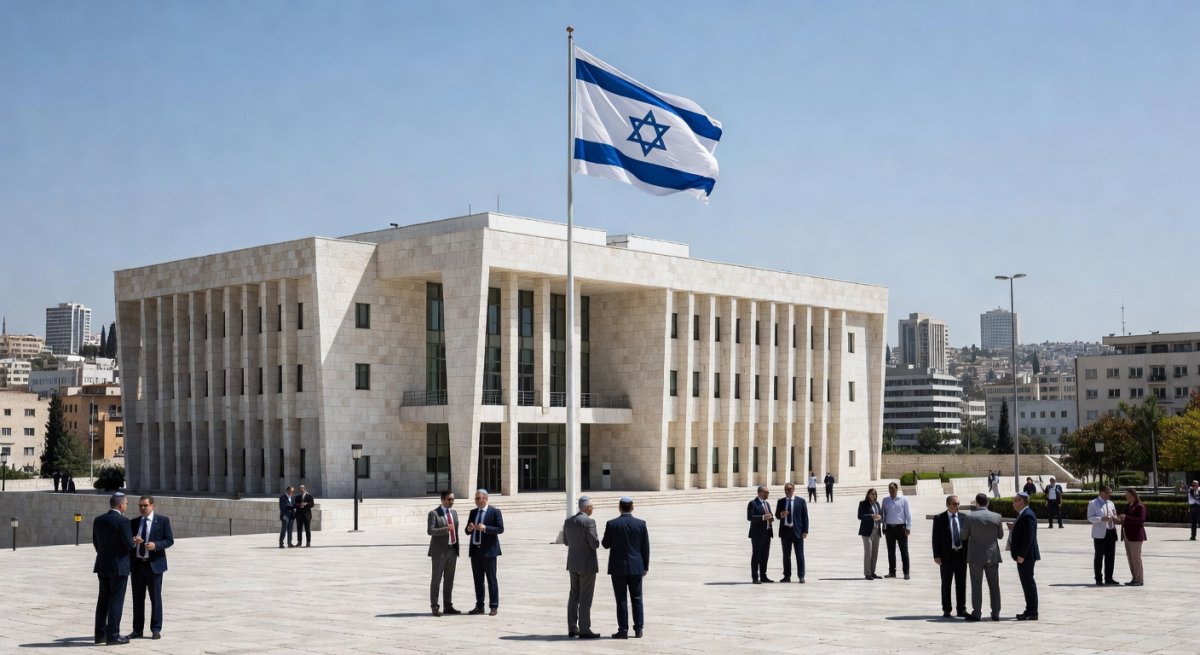
The Electoral Landscape Ahead of October 2026
Polls released in recent weeks project the anti-Netanyahu bloc, including centrist and left-leaning parties led by Yair Lapid and Benny Gantz, could secure up to 62 seats in the 120-seat Knesset. This projection places direct pressure on figures like Avigdor Liberman of Yisrael Beiteinu and Naftali Bennett, who has publicly stated he will not rely on Arab parties for any future government. The dynamics in Jerusalem's political corridors highlight how Arab voter turnout in mixed cities such as Lod and Ramle could tip balances in tight races.
Netanyahu's Likud party has consolidated support in Tel Aviv and surrounding central districts by emphasizing security threats from Gaza and Lebanon, while Arab parties focus mobilization efforts in the Galilee and Negev regions. The exclusion of Arab representatives from the current coalition has sharpened debates in Knesset committees on budget allocations for infrastructure in Umm al-Fahm and Rahat.
Revival and Unity of Arab Parties
The Joint List's reformation earlier this year unified Ra'am, Hadash, Ta'al, and Balad after years of fragmentation that weakened their collective bargaining power. Mansour Abbas announced Ra'am's historic decision to open party membership to Jewish Israelis for the first time, aiming to broaden appeal beyond traditional strongholds like Sakhnin and Kafr Qasim. This move responds to internal Arab community pressures for pragmatic engagement with state institutions in Jerusalem.
Ayman Odeh of Hadash and Ahmad Tibi of Ta'al coordinated joint platforms addressing housing shortages in Arab towns across the Galilee, while Sami Abu Shehadeh of Balad maintains a more nationalist stance rooted in opposition to settlement policies in the West Bank. The revival matters for Israeli politics because unified Arab representation could influence committee assignments on foreign affairs and defense, areas long dominated by Jewish parties.
Ra'am's Historic Role in the 2021-2022 Coalition
Ra'am under Mansour Abbas became the first independent Arab party to join an Israeli governing coalition during the Bennett-Lapid government from 2021 to 2022. Abbas secured funding commitments for Arab municipalities including Rahat in the Negev and Umm al-Fahm in the Wadi Ara region, demonstrating concrete policy gains on crime reduction and economic development. This precedent challenged longstanding taboos in Likud and Religious Zionist circles about partnering with Arab factions.
During that period, Ra'am's participation helped stabilize the narrow majority in the Knesset amid tensions with Hamas in Gaza. Bennett later distanced himself from this model, declaring that future coalitions would exclude Arab parties to maintain focus on national security priorities. The experience illustrates why inclusion debates carry weight for Israeli readers concerned with coalition durability and governance effectiveness in mixed cities like Lod and Ramle.
Crime and Security Issues in Arab Localities
Arab communities in Sakhnin, Kafr Qasim, and the Negev town of Rahat continue to face elevated violent crime rates that have become central mobilization issues for parties like Ra'am and Balad ahead of the 2026 vote. Police data has documented spikes in shootings and organized crime networks operating from bases in the Galilee and mixed cities such as Lod. Arab MKs including Ayman Odeh have demanded increased state resources for community policing programs coordinated through the Ministry of Public Security.
Netanyahu's coalition partners Itamar Ben-Gvir of Otzma Yehudit and Bezalel Smotrich of Religious Zionist Party have pushed hardline enforcement measures that Arab leaders argue overlook root causes like unemployment in Ramle and East Jerusalem neighborhoods. These security challenges matter for regional stability because unchecked crime erodes trust between Arab citizens and state institutions, potentially affecting recruitment into the Israel Defense Forces' Bedouin units and broader counterterrorism cooperation.
Positions of Major Jewish Parties on Inclusion
Benjamin Netanyahu has ruled out Arab party participation in any Likud-led government, citing ideological differences with Balad's positions on the Jewish character of the state. Yair Lapid of Yesh Atid has expressed openness to limited cooperation on domestic issues but stops short of full coalition membership. Benny Gantz of National Unity has similarly signaled conditional engagement focused on shared security goals against Iranian influence in Lebanon and Syria.
Naftali Bennett, now leading the Together party, reiterated his refusal to depend on Arab parties, aligning with Avigdor Liberman's secular nationalist stance. These positions shape coalition negotiations in Jerusalem and affect how Arab voters in the Negev and Galilee perceive their influence. The stances matter for Israeli politics because they determine whether future governments can achieve stable majorities capable of addressing both internal divisions and external threats from Hezbollah and Hamas.
Potential Coalition Configurations
Scenarios for the post-election government range from a narrow Netanyahu-led bloc relying on ultra-Orthodox parties Shas and UTJ to a broader anti-Netanyahu alliance that might incorporate Ra'am on confidence-and-supply terms. Mansour Abbas has indicated willingness to negotiate budgets for Arab towns if core demands on crime and housing are met. Such configurations could alter power balances in Knesset votes on defense spending tied to operations near the Gaza border.
Analysts project that a 62-seat anti-Netanyahu bloc would still require careful management of Arab party demands to avoid collapse similar to the 2021-2022 government. Locations like Tel Aviv's financial district and Jerusalem's political hub would feel immediate effects through policy shifts on economic integration. These possibilities carry direct implications for regional readers tracking how Israeli governance affects relations with Jordan and Egypt.
Implications for Israeli Arab Citizens
Arab citizens in the Galilee towns of Sakhnin and Kafr Qasim stand to gain or lose from coalition decisions on local infrastructure funding and law enforcement. Inclusion of parties like Ta'al and Hadash could accelerate integration programs in mixed cities such as Lod and Ramle, where tensions have flared in past years. Exclusion risks deepening alienation, particularly among younger voters mobilized around socioeconomic grievances.
Ra'am's outreach to Jewish Israelis signals evolving strategies for greater participation in national life. These developments matter because Arab citizens comprise over 20 percent of Israel's population and their political engagement influences everything from healthcare access in the Negev to educational outcomes in the Wadi Ara corridor. Stable coalitions that address these communities strengthen Israel's internal cohesion amid external pressures.
Regional and International Ramifications
Coalition choices involving Arab parties resonate beyond Israel's borders, affecting ties with Palestinian leaders in Ramallah and stability along the Lebanese frontier. Inclusion could facilitate quiet channels on issues like prisoner releases or reconstruction aid in Gaza, while exclusion reinforces narratives used by Iran-backed groups. European and American diplomats monitoring this debate have linked coalition inclusivity to continued support for Israel's qualitative military edge.
Netanyahu's current partners emphasize deterrence against threats from Syria and Yemen, viewing Arab party participation as a potential distraction. For readers in the Middle East, these dynamics highlight how Israel's internal politics intersect with broader peace processes and economic normalization efforts under the Abraham Accords. Concrete outcomes in Jerusalem will shape regional perceptions of Israeli governance for years to come.
By Hannah Berg, Staff Writer
This article was produced with AI-assisted research and editorial support. Reporting is based on sources cited in the article.
What's Your Reaction?
 Like
0
Like
0
 Dislike
0
Dislike
0
 Love
0
Love
0
 Funny
0
Funny
0
 Wow
0
Wow
0
 Sad
0
Sad
0
 Angry
0
Angry
0
Israel Correspondent at Global1.News. Based in Tel Aviv, covering Israeli politics, security, technology, and society. Provides balanced, deeply-sourced reporting on one of the most closely-watched regions in the world.










Comments (0)