
Fake Beauty Doctors Arrested in Bangkok Raids
The Raid Details and Coordinated Enforcement Action On 6 July 2026 officers from the Consumer Protection Police Division carried out simultaneous raids on two residential properties that had been converted into illegal cosmetic clinics. The first location was a house in Bueng Kum district of Bangkok while the second was situated in Samrong Nuea subdistrict of Mueang district Sa
The Raid Details and Coordinated Enforcement Action
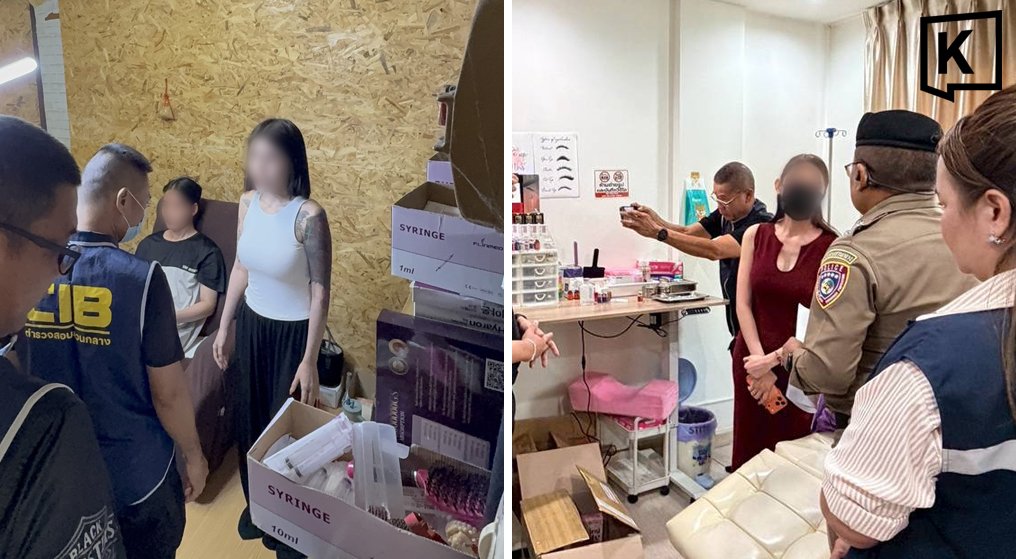
On 6 July 2026 officers from the Consumer Protection Police Division carried out simultaneous raids on two residential properties that had been converted into illegal cosmetic clinics. The first location was a house in Bueng Kum district of Bangkok while the second was situated in Samrong Nuea subdistrict of Mueang district Samut Prakan. These operations were conducted jointly with officials from the Department of Health Service Support under the Ministry of Public Health following intelligence about unlicensed Botox and dermal filler services being advertised online.
During the searches authorities discovered large quantities of medical supplies including unregistered injectable products syringes and vials of cosmetic substances that lacked proper Thai Food and Drug Administration approval. The two women present at the sites were immediately detained after they were found administering treatments without any medical qualifications. The raids underscore the ongoing efforts by Thai authorities to crack down on makeshift beauty operations that operate outside regulated medical facilities.
Consumer protection remains a priority for the Ministry of Public Health which has repeatedly warned against the dangers of receiving injectable treatments in non-clinical environments. The seized items were catalogued as evidence and both properties were secured pending further investigation into how the operators obtained and stored the prohibited substances. This coordinated action highlights the intersection of law enforcement and public health oversight in protecting Thai consumers from unregulated cosmetic procedures.
Profiles of the Two Suspects and Their Illegal Operations
The 31-year-old suspect told investigators she had completed vocational education and gained six to seven years of experience working at licensed beauty clinics before launching her own unlicensed service approximately two years earlier. She admitted to posing as a qualified practitioner while offering Botox dermal fillers and skin-enhancing injections at the Bueng Kum property. Her operation relied on converting a private residence into a treatment space without any hospital licensing or medical oversight.
The second suspect aged 25 stated she had only finished high school and possessed no formal medical training. She had previously worked at beauty clinics where she acquired basic procedural knowledge before beginning her own business initially serving friends and later expanding through referrals. She operated from the Samut Prakan location and similarly presented herself as capable of delivering professional cosmetic injections despite lacking any licence to practise medicine.
Both women confirmed they had no affiliation with registered medical facilities and had never obtained the required permits under Thai regulations. Their admissions revealed a pattern of individuals leveraging limited clinic experience to establish independent illegal services targeting clients seeking affordable aesthetic enhancements. The Consumer Protection Police Division documented these statements as part of the formal case files now under review by prosecutors.
Financial Operations Pricing Structures and Online Promotion
The 31-year-old operator reported charging between 790 baht and 4,990 baht for promotional treatment packages that she advertised directly on Facebook. She stated she handled two to five customers daily and generated monthly earnings of 100,000 to 120,000 baht. Injectable products were sourced through various online platforms allowing her to maintain low overhead costs while operating from a residential address without regulatory compliance expenses.
The 25-year-old suspect charged between 1,000 baht and 5,000 baht per session and estimated her monthly income at approximately 30,000 baht. She initially built her client base through word-of-mouth referrals among acquaintances before scaling the service. Both operators relied heavily on social media platforms to promote discounted cosmetic injections which enabled them to reach a wide audience of Thai consumers seeking budget-friendly beauty treatments.
These pricing models and revenue figures illustrate how unlicensed practitioners can achieve significant financial returns by undercutting licensed clinics while avoiding taxes licensing fees and quality control standards. The use of online advertising channels has become a common tactic in Thailand beauty sector allowing such operations to flourish until enforcement actions intervene. Authorities noted that the seized products were likely imported without proper documentation further complicating the financial trail of these illegal enterprises.
Legal Charges Filed Under Thai Regulatory Framework
Both suspects were charged under the Hospital Act B.E. 2541 (1998) specifically for allowing unlicensed persons to practise medicine at a medical facility. This legislation prohibits individuals without proper medical licences from performing procedures such as Botox and dermal filler injections which are classified as medical acts requiring physician oversight. The charges carry potential penalties including fines and imprisonment depending on the severity of the violations established during court proceedings.
Investigators from the Consumer Protection Police Division have transferred the case files to the relevant public prosecutors for formal legal action. The Ministry of Public Health has emphasised that such prosecutions serve as deterrents against the growing number of illegal cosmetic services operating across Bangkok and surrounding provinces. The Hospital Act provisions are designed to safeguard public health by ensuring only qualified medical professionals administer injectable treatments.
Thai consumer protection laws also intersect with these charges as the operators engaged in deceptive practices by misrepresenting their qualifications to clients. The Department of Health Service Support continues to monitor similar cases to enforce compliance with licensing requirements. Legal proceedings are expected to examine the full scope of the unregistered products and the extent of harm potentially caused to customers who received the injections.
Public Health Risks and Consumer Safety Concerns in Thailand
The administration of Botox and dermal fillers by unlicensed individuals poses severe risks including infection allergic reactions tissue damage and even permanent disfigurement. In Thailand where the beauty industry attracts millions of consumers annually such incidents highlight the urgent need for stricter oversight of injectable cosmetic procedures. The Ministry of Public Health has documented multiple cases where unregulated treatments led to hospitalisations underscoring the direct threat to public health.
Consumer protection agencies warn that online promotions often mask the absence of sterile environments and proper medical screening. The seized unregistered products in the recent raids lacked verified safety data increasing the likelihood of adverse outcomes for recipients. Thai citizens seeking aesthetic enhancements must recognise that discounted prices frequently correlate with compromised safety standards and inadequate aftercare protocols.
Public health campaigns by the Department of Health Service Support stress the importance of verifying practitioner credentials before undergoing any injectable treatment. The arrests on 6 July 2026 serve as a reminder that illegal operations continue to endanger consumers despite repeated enforcement efforts. Strengthening reporting mechanisms for suspected unlicensed clinics remains essential to reducing these preventable health hazards across the country.
Implications for Thailand Beauty Industry Standards
The proliferation of unlicensed cosmetic services undermines the credibility of Thailand established beauty and medical tourism sectors which contribute substantially to the national economy. Licensed clinics adhere to rigorous hygiene and qualification standards yet face unfair competition from operators offering treatments at fractions of the regulated price. This disparity pressures legitimate businesses while exposing clients to unnecessary dangers.
Industry associations have called for enhanced collaboration between the Ministry of Public Health and digital platforms to restrict advertisements for unverified cosmetic services. The Bangkok and Samut Prakan raids demonstrate that residential conversions into treatment centres represent a systemic challenge requiring coordinated regulatory responses. Maintaining high standards in the beauty industry protects both consumers and the reputation of Thai medical services internationally.
Continued enforcement actions are necessary to level the playing field and encourage investment in properly licensed facilities. The financial incentives driving illegal operations must be countered through consistent prosecutions and public awareness initiatives. Thailand beauty sector can only sustain growth if consumer trust is preserved through transparent and accountable practices.
Guidance for Consumers Seeking Cosmetic Treatments
Thai consumers are advised to verify that any practitioner offering Botox or dermal fillers holds a valid medical licence issued by the Medical Council of Thailand. Checking the registration status of the facility with the Ministry of Public Health provides an additional layer of protection against unlicensed operators. Individuals should avoid treatments advertised solely through social media without verifiable clinic addresses and professional credentials.
Requesting to see proof of product registration with the Thai Food and Drug Administration before undergoing injections can prevent exposure to counterfeit or unsafe substances. Consumers experiencing adverse effects from previous treatments are encouraged to report the incidents to the Consumer Protection Police Division for investigation. Seeking consultations at established hospitals rather than residential locations significantly reduces health risks associated with cosmetic procedures.
Price comparisons should never override safety considerations when selecting aesthetic services. The recent arrests illustrate that promotional rates as low as 790 baht often indicate operations outside legal boundaries. Educating oneself about the requirements of the Hospital Act B.E. 2541 empowers consumers to make informed decisions and support only compliant providers within Thailand beauty industry.
Regulatory Landscape and Necessary Reforms in Thailand
Current Thai regulations under the Hospital Act and related public health statutes provide the legal foundation for prosecuting unlicensed cosmetic practitioners yet enforcement gaps persist due to the rapid growth of online advertising. The Ministry of Public Health has increased inspections in recent years but additional resources are required to monitor residential properties converted into treatment sites across Bangkok and Samut Prakan provinces.
Proposals for reform include mandatory digital verification systems for beauty service advertisements and stricter penalties for platforms hosting promotions by unlicensed operators. Collaboration between the Consumer Protection Police Division and technology companies could facilitate faster removal of illegal listings. Strengthening inter-agency coordination would enhance the effectiveness of raids similar to the one conducted on 6 July 2026.
Long-term improvements demand greater public education campaigns highlighting the distinctions between licensed medical procedures and unregulated beauty services. Updating licensing frameworks to address emerging injectable products and training requirements for practitioners would further safeguard consumer interests. These measures collectively aim to elevate standards within Thailand beauty and healthcare sectors while deterring future violations of existing laws.
By Ann Srisawat, Staff WriterThis article was produced with AI-assisted research and editorial support. Reporting is based on sources cited in the article.
What's Your Reaction?
 Like
0
Like
0
 Dislike
0
Dislike
0
 Love
0
Love
0
 Funny
0
Funny
0
 Wow
0
Wow
0
 Sad
0
Sad
0
 Angry
0
Angry
0

Southeast Asia Correspondent at Global1.News. Based in Bangkok, covering Thai and Southeast Asian politics, economy, technology, and culture. Deep regional perspective on one of the world's most dynamic regions.















Comments (0)