
EU Plans Most Far-Reaching Sanctions Against Russia, Kallas Says
EU foreign policy chief Kaja Kallas announces the most far-reaching sanctions package against Russia since the war began, targeting 1,600 individuals and entities linked to the military-industrial complex. Brussels plans adoption by October as pressure on Moscow's war economy intensifies.
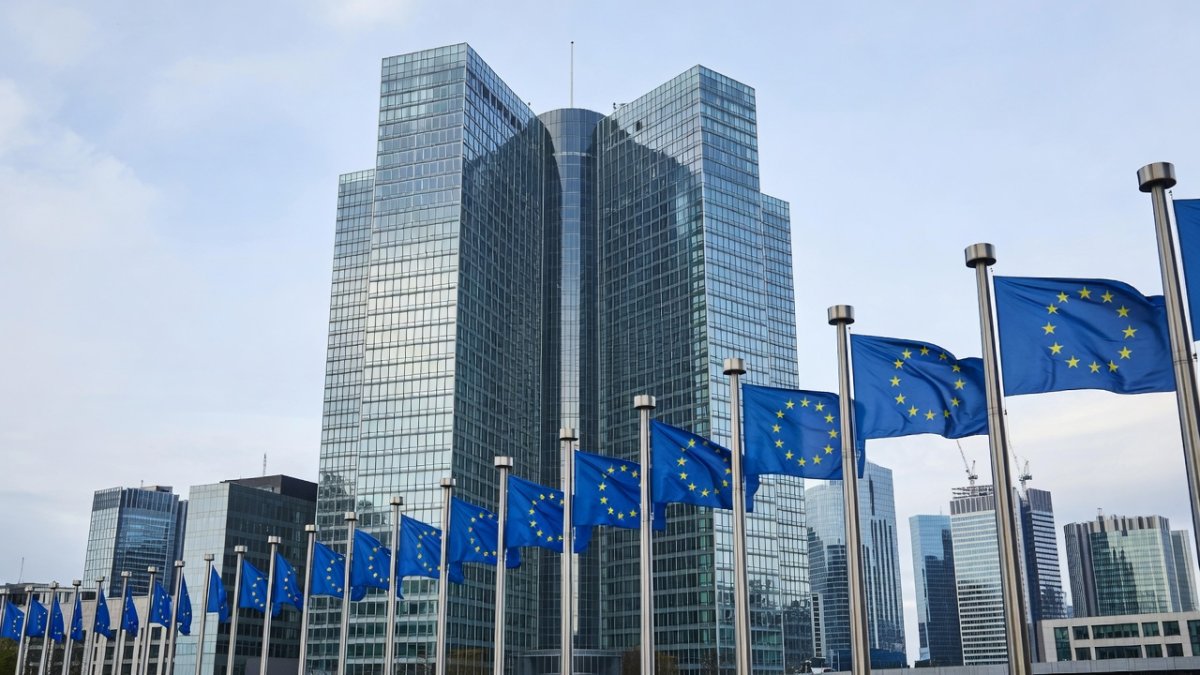
The European Union is preparing its most expansive sanctions package against Russia since the full-scale invasion of Ukraine began, a move that would increase the total number of blacklisted Russian entities by a third and further strain Moscow’s war economy. The bloc’s foreign policy chief, Kaja Kallas, announced the initiative in an interview published this week, signaling a new phase of economic pressure as the conflict enters its third year.
EU Unveils Plan for Most Far-Reaching Sanctions Against Russia, Targeting 1,600 New Entities
Brussels, Belgium — The European Union plans to significantly expand sanctions against Russia in the coming months over its war in Ukraine, the bloc’s foreign policy chief, Kaja Kallas, told the German newspaper Die Welt. “EU sanctions have already cost Russia dearly, depriving Russia’s war machine of over 1 trillion euros [$1.16 trillion], and for the fall I am putting forward the most far-reaching sanctions listings since the start of the war,” she said. “Once adopted, they would immediately raise the total number of sanctioned Russian entities by a third. The pressure must keep growing until Moscow ends its war.”
Scope of the New Sanctions Package
Kallas, who leads the European External Action Service (EEAS) — the EU’s diplomatic arm — did not provide specific timing or details of the new measures during the interview. However, EU diplomatic sources later told Reuters that the EEAS would propose targeting approximately 1,600 Russian individuals and entities, with a heavy focus on the military-industrial complex. The designations are expected to include travel bans, transaction prohibitions, and asset freezes, according to the same sources.
The EU has already sanctioned nearly 3,000 people and companies since Russia’s full-scale invasion of Ukraine in February 2022. Adding 1,600 new listings would represent a roughly 33 percent increase in the total number of blacklisted entities, marking the largest single expansion of the sanctions regime to date. The EEAS is expected to present the new list to EU member states in early September, with an aim to secure adoption by October, the sources added.
Strategic Shift Toward Speed and Simplicity
Notably, the upcoming listings are not expected to be accompanied by sectoral sanctions — broad economic measures that fall under the European Commission’s purview — according to the diplomatic sources. This marks a deliberate strategic shift aimed at accelerating the adoption process. EU sanctions require unanimous approval from all 27 member states, and traditional comprehensive packages, which combine sectoral measures with full designations, have frequently become bogged down in lengthy disputes.
During negotiations for the latest 21st sanctions package, adopted in July, Greece raised objections over a forthcoming ban on Russian liquefied natural gas (LNG) transfers. That package was ultimately approved, imposing new curbs on Russia’s banking sector and cryptocurrency networks. By separating the designations from sectoral measures, the EEAS appears to be seeking to avoid similar bottlenecks and push through the new listings with greater efficiency.
Focus on Russia’s Military-Industrial Complex
The emphasis on the military-industrial complex reflects a broader EU strategy to degrade Russia’s capacity to sustain its war effort. Analysts suggest this signals a recognition that targeted designations against individual companies and officials can be more swiftly implemented than sweeping sectoral bans, which often require extensive technical and legal preparation. The new listings are expected to hit key suppliers, technology firms, and logistics companies that support Russia’s defense sector.
This approach could indicate a shift in EU tactics, prioritizing the disruption of specific supply chains and financial networks over broad economic measures that may face resistance from member states with closer economic ties to Russia. The move also aligns with ongoing efforts by Western allies to close loopholes and crack down on evasion of existing sanctions.
Expansion to Human Rights Violations and Hybrid Warfare
Beyond the military-industrial complex, the EEAS also plans to propose additional listings in September targeting individuals accused of trafficking Ukrainian children, under the framework of human rights violations. This follows earlier EU actions that have already designated Russian officials and others implicated in the forced deportation of Ukrainian minors, a practice that international bodies have condemned as a war crime.
Later in the fall, the EEAS will further propose designations penalizing those said to be involved in Russia’s hybrid warfare activities, including cyberattacks and misinformation campaigns. These measures are part of a broader EU effort to counter Russian influence operations that have targeted European democracies, election processes, and critical infrastructure.
Russia’s Economy Under Strain
The cumulative impact of EU sanctions, alongside measures imposed by the United States and other allies, has been significant. Kallas’s assertion that sanctions have deprived Russia’s war machine of over 1 trillion euros is consistent with assessments from Western financial institutions, which have documented declining revenues from energy exports and restricted access to Western technology and capital markets.
However, the Russian economy has shown resilience in some areas, adapting through increased trade with China, India, and other non-Western partners. Moscow has also ramped up domestic production of military equipment and ammunition, though analysts suggest this has come at the cost of long-term economic stability. Inflation has remained elevated, and the ruble has experienced volatility, while the Kremlin has been forced to allocate an increasing share of the federal budget to defense spending.
For ordinary Russians, the effects of sanctions are increasingly visible. Western brands have largely exited the market, international payment systems are restricted, and access to imported goods has diminished. The Russian government has sought to mitigate these effects through import substitution programs and parallel import schemes, but shortages and price increases persist in certain sectors.
Kremlin’s Likely Response and Geopolitical Implications
Moscow has consistently dismissed the impact of Western sanctions, with officials arguing that the measures have failed to achieve their intended goals. The Kremlin has repeatedly stated that Russia will continue its military operations in Ukraine regardless of external pressure. In response to previous sanctions packages, Russia has imposed counter-sanctions on Western officials and companies, banned certain imports, and threatened to seize foreign assets.
Analysts suggest that the new EU package could provoke a similar response, potentially including further restrictions on European businesses operating in Russia or retaliatory measures against EU diplomats. There is also the possibility that Moscow could escalate its hybrid warfare activities in Europe, including cyberattacks on critical infrastructure and intensified disinformation campaigns, as a direct response to the expanded designations.
The timing of the proposed sanctions is also significant, coming as Ukraine continues to press for more robust Western support and as diplomatic efforts to resolve the conflict remain stalled. The EU’s move could further complicate any potential negotiations, though Western officials have consistently maintained that sanctions are designed to pressure Moscow into ending the war, not to isolate Russia permanently.
Challenges Ahead for EU Unity
Despite the EEAS’s efforts to streamline the adoption process, the new sanctions package is not without risks. Unanimity requirements mean that any single member state could delay or block the listings. While the separation of designations from sectoral measures is intended to reduce friction, individual countries may still raise concerns about specific entities or the broader implications of the sanctions.
Greece’s earlier objections to the LNG ban highlight the delicate balance the EU must strike between maintaining a unified front against Russia and addressing the economic concerns of member states. Other countries, including Hungary, have previously voiced skepticism about sanctions, though they have ultimately voted in favor of most packages. The EU’s ability to maintain cohesion will be tested again in the coming months, particularly as the bloc grapples with rising energy costs and economic uncertainty.
The proposed sanctions also come at a time of heightened geopolitical tension, with the EU and NATO increasingly focused on countering Russian influence and bolstering their own defense capabilities. The expansion of sanctions is likely to be accompanied by further military and financial support for Ukraine, as Western allies seek to strengthen Kyiv’s position ahead of what could be a protracted conflict.
Looking Ahead
The EEAS’s proposal, once formally presented to member states in September, will mark a critical test of the EU’s resolve and its ability to act decisively in the face of ongoing Russian aggression. If adopted, the new listings would represent the most significant expansion of the sanctions regime since the war began, underscoring the bloc’s commitment to maintaining pressure on Moscow.
For now, the details of the package remain under wraps, and the timeline for adoption could shift depending on the negotiations. What is clear is that the EU is signaling its intent to continue and intensify its economic campaign against Russia, even as the conflict shows no signs of abating. The coming months will reveal whether the bloc can translate its ambitious plans into concrete action, and what the consequences will be for both Russia and the broader geopolitical landscape.
By Irina Volkov, Staff Writer
This article was produced with AI-assisted research and editorial support. Reporting is based on sources cited in the article.
What's Your Reaction?
 Like
0
Like
0
 Dislike
0
Dislike
0
 Love
0
Love
0
 Funny
0
Funny
0
 Wow
0
Wow
0
 Sad
0
Sad
0
 Angry
0
Angry
0
Russia/Eastern Europe Correspondent at Global1.News. Covering Russian politics, energy, security, and the shifting dynamics of the post-Soviet space. Provides clear-eyed analysis on one of the world's most opaque regions.









Comments (0)