
DepEd Issues Emergency Learning Continuity Guidelines
DepEd Issues Emergency Learning Continuity Guidelines Putting Safety First When Calamities Strike Education Secretary Sonny Angara has signed Department of Education Order No. 14 series of 2026 to give schools a clear way to keep teaching and learning going before, during, and after emergencies. The order focuses on the safety and well-being of learners, teachers, and school st
DepEd Issues Emergency Learning Continuity Guidelines
Putting Safety First When Calamities Strike
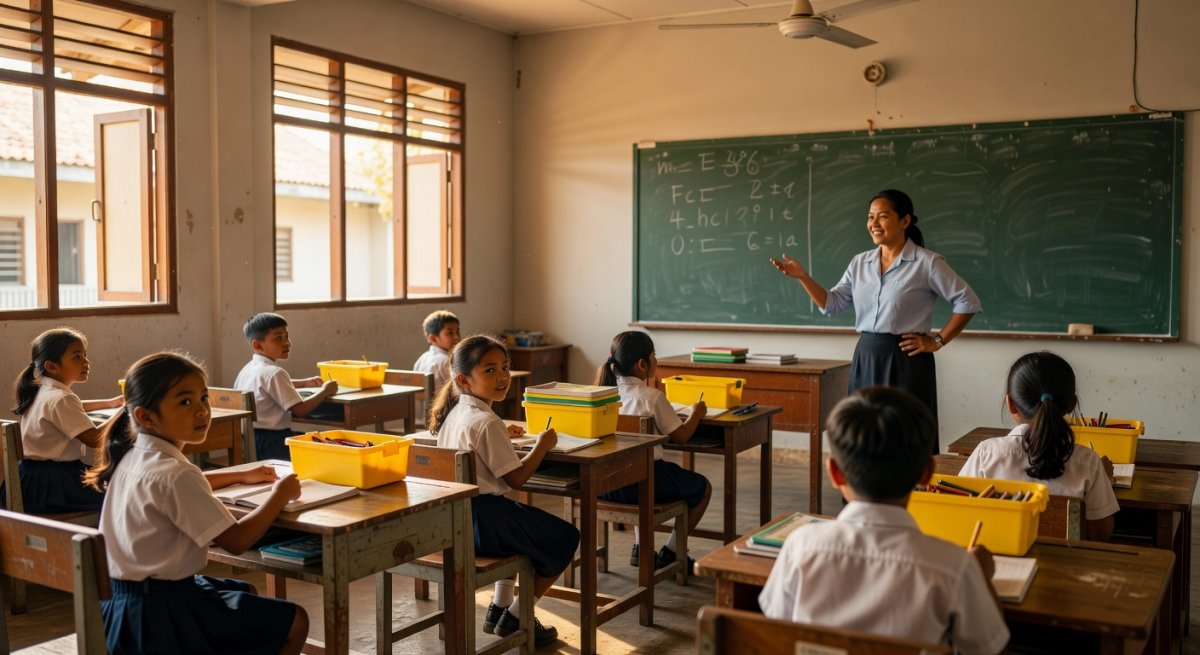
Education Secretary Sonny Angara has signed Department of Education Order No. 14 series of 2026 to give schools a clear way to keep teaching and learning going before, during, and after emergencies. The order focuses on the safety and well-being of learners, teachers, and school staff when typhoons, floods, earthquakes, extreme heat, health crises, or armed conflict hit communities across the Philippines.
For families in provinces regularly battered by storms, this policy brings a sense of relief rooted in bayanihan spirit. Parents no longer have to choose between sending children to unsafe schools or letting them fall behind. The guidelines remind everyone that true learning continuity means knowing when to pause for safety.
The Four Levels That Guide Every Decision
The new framework uses four levels named in Filipino to help school heads decide quickly based on real conditions on the ground. Hayo or Continue allows regular in-person classes when everyone is safe and ready. Hinay or Ease-in slows the pace with more flexible schedules during mild disruptions like light flooding that keeps some roads impassable.
Hinga or Check-in reduces academic pressure and focuses on well-being checks when fear or loss affects students and teachers. Hinto or Stop halts academic work entirely when safety and basic needs come first, such as after a major earthquake leaves homes destroyed. These levels give barangay captains and local officials concrete language to coordinate with schools instead of blanket suspensions that sometimes last too long or end too soon.
In a sari-sari store in a coastal town, a mother might now hear from the barangay captain that classes have shifted to Hinay because of rising river waters. Her children can still study at a slower pace using materials sent home, without risking the trip across flooded paths.
How LGUs and Barangay Captains Work With DepEd
School heads must coordinate closely with schools division superintendents and local government units to make decisions based on actual community conditions rather than broad regional alerts. Barangay captains, who know every street and household, play a direct role in reporting whether children can safely reach school or whether learning packets should be distributed instead.
This localized approach matters deeply in places like the Bicol region or Eastern Visayas, where one barangay may be dry while the next faces rising floodwaters. Teachers and parents gain clearer communication lines, reducing the confusion that often follows when national announcements do not match what families see outside their windows.
EduKahon Kits Reach Communities When Classrooms Cannot
The policy works together with EduKahon, DepEd’s standardized school recovery kit that holds pre-positioned teaching and learning materials for disaster-prone areas. These kits contain print modules, broadcast materials, family kits, and emergency learning resources designed to keep education alive even when school buildings are damaged or unreachable.
For children of farmers in remote mountain barangays or the sons and daughters of jeepney drivers in urban poor communities, EduKahon means learning does not stop completely when roads wash out. Teachers can distribute packets or use community centers as temporary hubs, keeping students connected to lessons while families focus first on securing food and shelter.
What This Means for Public School Teachers Across the Country
Public school teachers, already stretched thin after years of pandemic disruptions, now have clearer guidance on when to ease demands or pause altogether. The order acknowledges that teachers cannot deliver normal lessons when they themselves are dealing with loss or fear in their own families.
In many provinces, teachers live in the same communities as their students. When Hinga level is declared, they can check in on learners’ mental health instead of pushing homework. This shift supports the well-being of educators who often serve as second parents during crises, helping prevent burnout while still maintaining connection with students.
Real Impact on Parents, Students, and Everyday Family Life
Ordinary Filipino families feel the change most directly. A parent working as an OFW can now trust that local decisions about class suspensions consider actual neighborhood safety rather than distant weather reports. Students gain space to process trauma after a typhoon instead of immediately returning to full academic load.
During Pasko season, when many communities hold fiestas despite recent disasters, the framework allows schools to choose Hinay or Hinga so children can join family traditions without falling completely behind. The emphasis on safety first aligns with Filipino values that put family and community well-being above rigid schedules.
Building Resilience for Future Emergencies
DepEd Order No. 14 series of 2026 strengthens the department’s long-standing commitment to learning continuity while recognizing that safety must always come first. As climate patterns shift and communities face more frequent emergencies, these guidelines offer a practical tool that respects local knowledge and protects the most vulnerable.
By centering decisions on the lived realities of barangays and families, the policy supports the resilience that has long defined Filipino responses to calamity. Schools, LGUs, and communities now share a common language to protect children while keeping education alive in the safest way possible.
By Bella Reyes, Staff WriterThis article was produced with AI-assisted research and editorial support. Reporting is based on sources cited in the article.
What's Your Reaction?
 Like
0
Like
0
 Dislike
0
Dislike
0
 Love
0
Love
0
 Funny
0
Funny
0
 Wow
0
Wow
0
 Sad
0
Sad
0
 Angry
0
Angry
0

Philippines/Southeast Asia Correspondent at Global1.News. Manila-based journalist covering Philippine politics, environment, maritime security, and social issues. Passionate about marine conservation and the communities protecting the Philippines' natural heritage.











Comments (0)