
Castlelake's £5.5 Billion easyJet Takeover: What It Means for Ben Gurion and Israeli Travelers
Castle lake's £5.5 Billion easyJet Takeover: What It Means for Ben Gurion and Israeli Travelers Castlelake Secures Agreement in Principle for easyJet Castlelake reached an agreement in principle with the easyJet board this week after submitting multiple offers over recent months. The US-based investment firm had seen four earlier bids turned down by the airline's leadership, each falling short of expectations. This latest development marks a significant step forward in what could become one of

Castlelake Secures Agreement in Principle for easyJet
Castlelake reached an agreement in principle with the easyJet board this week after submitting multiple offers over recent months. The US-based investment firm had seen four earlier bids turned down by the airline's leadership, each falling short of expectations. This latest development marks a significant step forward in what could become one of the largest private equity transactions in European aviation history. The process highlights the determination of both parties to find common ground amid fluctuating market conditions and regulatory scrutiny that often accompanies cross-border deals of this scale.
Castlelake manages approximately twenty-five billion dollars in assets and has built a reputation for strategic investments in transportation sectors. Its interest in easyJet reflects broader trends where private equity firms target established carriers with strong route networks and loyal customer bases. Israeli travelers who frequently use easyJet services from Ben Gurion Airport may soon notice shifts in how the airline operates under new ownership. The firm's experience in restructuring suggests potential operational adjustments that could affect flight schedules and service standards on key European routes.
The financial terms of the deal value easyJet at five point five billion pounds, equivalent to roughly seven point three four billion dollars or twenty-seven billion shekels. Shareholders would receive six pounds and ninety pence per share, representing a seventy-three percent premium over the closing price recorded on May twenty-nine. This generous offer underscores Castlelake's confidence in the airline's long-term prospects despite recent industry challenges. For Israeli investors holding easyJet shares through international portfolios, the premium provides an attractive exit opportunity if the transaction proceeds smoothly.
easyJet shares responded positively to the news, climbing ten percent on Monday as markets digested the implications. Analysts noted that the jump reflected relief after prolonged uncertainty surrounding the bidding process. The reaction also signals investor belief that private equity involvement could unlock efficiencies. Israeli travelers monitoring the situation will want to track further developments, as changes at the corporate level often translate into adjustments at airports like Ben Gurion where easyJet maintains a visible presence.
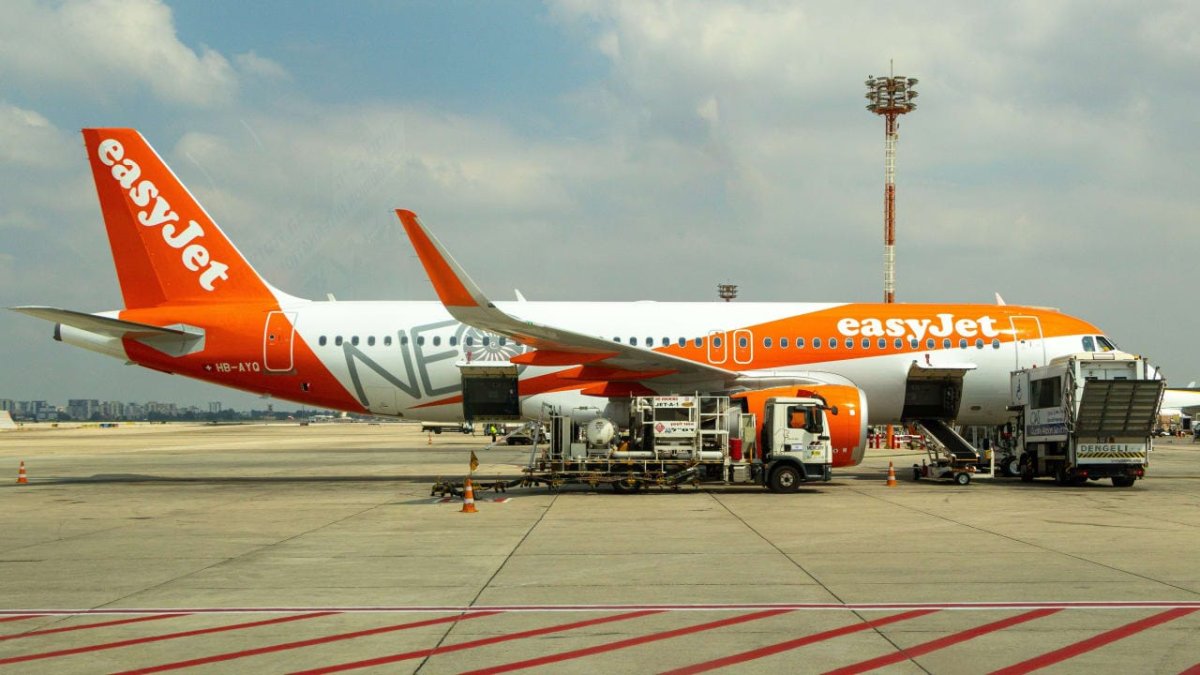
EasyJet operates regular flights to and from Ben Gurion Airport in Tel Aviv, serving as a key low-cost link for Israeli travelers to European destinations. (Source: Shutterstock/JPost)
easyJet's Operations at Ben Gurion: A Key Link for Israeli Travelers
easyJet maintains regular flights from Ben Gurion Airport connecting Tel Aviv to major European destinations including London, Amsterdam, Paris, and Berlin. These routes serve both leisure passengers heading to popular vacation spots and business travelers attending meetings across the continent. The airline's low-cost model has made European travel more accessible for many Israelis who previously relied on more expensive legacy carriers. Frequency on these corridors typically includes multiple daily departures during peak seasons, supporting tourism flows in both directions.
Passenger volumes on easyJet services from Ben Gurion have grown steadily in recent years as demand for affordable European getaways increased among Israeli families and young professionals. The carrier's presence complements offerings from El Al and helps keep overall fares competitive on popular routes. Israeli tourism officials have long viewed these connections as vital for economic ties with the European Union. Any disruption or enhancement resulting from the takeover could therefore influence travel patterns and visitor numbers from Israel to key cities.
The airline's network also supports inbound tourism, bringing European visitors who contribute to Israel's hospitality sector. easyJet flights often carry passengers interested in cultural sites, beaches, and business opportunities in Tel Aviv and beyond. This two-way traffic strengthens people-to-people links that underpin broader diplomatic and commercial relations. Stakeholders in Israeli aviation circles are watching the Castlelake deal closely to assess whether service levels on these routes will remain consistent or improve under new management.
Competition on these corridors comes from El Al, Arkia, Wizz Air, and Ryanair, each offering alternative schedules and pricing structures. easyJet's established slots at Ben Gurion give it a solid foundation, yet the takeover introduces uncertainty about future fleet deployment and route priorities. Israeli passengers value the convenience of direct flights and may face adjustments if Castlelake decides to reallocate capacity elsewhere in Europe. Monitoring these developments will help travelers plan accordingly in the months ahead.
What the Takeover Could Mean for Israeli Passengers
Israeli passengers could experience changes in pricing and service quality once Castlelake assumes control of easyJet. Private equity ownership often emphasizes cost optimization, which might lead to revised fare structures or ancillary fees on routes from Ben Gurion. While the seventy-three percent premium paid to shareholders suggests strong confidence in the brand, travelers worry that short-term profit motives could affect reliability or comfort levels on popular European connections. Competition from El Al and Arkia may help moderate any aggressive pricing shifts.
Route adjustments represent another area of potential impact. Castlelake might evaluate the profitability of existing Tel Aviv services and decide to increase frequencies on high-demand corridors such as London or reduce them on less lucrative ones. Israeli business travelers who depend on convenient timings to Amsterdam, Paris, or Berlin could see modifications that require greater flexibility in planning. The presence of Wizz Air and Ryanair on overlapping routes provides alternatives, yet easyJet's established customer base values its specific product offering.
Concerns among Israeli consumers center on whether the airline will maintain its reputation for punctuality and customer support after the transition. Past private equity takeovers in aviation have sometimes resulted in mixed outcomes for passengers, with some improvements in efficiency offset by reduced amenities. Travelers booking flights from Ben Gurion will likely pay close attention to announcements regarding fleet modernization or loyalty program changes. Regulatory oversight from European authorities may also influence how quickly any operational shifts occur.
Overall, the takeover introduces both opportunities and risks for the Israeli market. Enhanced capital could allow easyJet to expand its Ben Gurion operations if demand justifies it, potentially adding new destinations. At the same time, cost-focused strategies might pressure margins on competitive routes shared with El Al and low-cost rivals. Israeli passengers are advised to compare options carefully and stay informed about developments that could affect their travel budgets and experiences in the coming year.
EU Ownership Rules: The Regulatory Challenge
European Union regulations require that airlines designated as EU carriers maintain more than fifty percent ownership by EU nationals or entities. This rule creates a significant hurdle for Castlelake, a US-based firm seeking to acquire easyJet. Post-Brexit complications further complicate matters because the United Kingdom no longer qualifies as part of the EU for these ownership calculations. The structure of the deal must therefore incorporate mechanisms to satisfy these requirements while allowing Castlelake to exercise meaningful control.
Possible solutions include establishing a European holding company with majority EU shareholders or using voting trust arrangements that preserve formal compliance. Such structures have been employed in previous aviation transactions involving non-EU investors. Israeli travelers benefit indirectly from stable EU-UK aviation relations, as easyJet's routes from Ben Gurion often involve both jurisdictions. Any prolonged regulatory uncertainty could delay implementation of new strategies that might otherwise improve service on these corridors.
The timeline for securing approvals adds another layer of complexity. European Commission review typically examines competition effects and ownership compliance in parallel, potentially extending the period before the transaction closes. easyJet rejected earlier bids partly due to concerns over regulatory feasibility, indicating that Castlelake has addressed these issues sufficiently to reach the current agreement in principle. Israeli aviation analysts note that similar hurdles have affected other cross-border deals, sometimes leading to creative ownership solutions that balance investor interests with legal mandates.
Failure to resolve the ownership question could force revisions to the transaction or even abandonment. Market participants will monitor announcements from both the buyer and European regulators for signs of progress. For Israeli passengers, the outcome matters because regulatory delays might postpone any benefits or changes stemming from the takeover. Clear communication from easyJet regarding its compliance strategy will help reduce uncertainty affecting bookings from Ben Gurion.
Broader Impact on European Aviation and Israel's Connectivity
The Castlelake acquisition reflects growing private equity interest in European aviation assets, a trend with implications for competition on routes serving Israel. (Source: Shutterstock/JPost)
Private equity interest in European airlines has accelerated in recent years as carriers seek fresh capital following pandemic disruptions. The Castlelake easyJet transaction could set a precedent for further consolidation, particularly among mid-sized operators with strong route networks. Israel's connectivity to Europe stands to benefit if the new ownership injects resources that expand capacity on Mediterranean corridors. However, consolidation pressure might also reduce the number of independent players, potentially affecting fare competition on routes served by El Al and other carriers.
Pricing dynamics on flights between Tel Aviv and European cities could shift depending on how Castlelake manages its enlarged portfolio. Increased efficiency might allow more competitive offerings, yet reduced rivalry among carriers could lead to higher costs for Israeli travelers over time. The Mediterranean corridor remains strategically important for tourism and trade, making any changes in service quality or availability noteworthy for the Israeli economy. Observers will track whether the deal encourages similar investments in other European airlines with Israeli connections.
Wizz Air and Ryanair already provide aggressive competition on many overlapping routes from Ben Gurion, which may limit the scope for significant price increases post-takeover. easyJet's established brand and slot holdings nevertheless give it a distinct position that Castlelake will likely seek to strengthen. Israeli tourism authorities recognize that reliable, affordable air links support visitor inflows and outbound travel for business and leisure. The broader European aviation landscape will influence how these connections evolve under private equity stewardship.
Precedents from other deals suggest that regulatory conditions often accompany large transactions to protect consumer interests. Israeli passengers may ultimately see modest improvements in fleet age or digital services if Castlelake pursues modernization. At the same time, the deal underscores the increasing role of financial investors in shaping the future of European air travel, with ripple effects reaching airports like Ben Gurion that serve as gateways for regional connectivity.
The Road Ahead: Timeline, Approvals, and Market Watch
Next steps include finalizing definitive agreements and securing necessary regulatory clearances from European authorities. The EU ownership review will likely form a central part of this process, requiring detailed submissions on proposed structures. Shareholder approval will also be necessary before the transaction can close, with the seventy-three percent premium providing a strong incentive for support. Israeli travelers should watch for updates on these milestones, as each approval brings the possibility of operational changes closer to reality.
European regulatory review timelines vary but often span several months, during which market conditions and competitive dynamics may shift. easyJet's board will need to demonstrate that the Castlelake offer serves the interests of all stakeholders, including employees and customers on routes from Ben Gurion. Competition concerns involving El Al, Arkia, Wizz Air, and Ryanair will factor into assessments, potentially resulting in conditions that preserve service levels on key corridors. Transparency from the parties involved will help Israeli passengers anticipate impacts on their travel plans.
Market participants will continue monitoring easyJet share performance and any statements from Castlelake regarding its strategic vision. Announcements about route expansions or adjustments could emerge once ownership clarity is achieved. For Israeli consumers, factors to watch include fare trends on London, Amsterdam, Paris, and Berlin services as well as any modifications to frequent flyer benefits. The coming weeks and months will clarify whether the takeover delivers tangible benefits or introduces new challenges for connectivity between Tel Aviv and Europe.
Ultimately, the outcome will depend on successful navigation of regulatory and shareholder processes. Israeli aviation stakeholders remain engaged because easyJet plays a meaningful role in the country's international air links. Travelers are encouraged to stay informed through official channels and compare options from multiple carriers when planning future journeys from Ben Gurion. Developments in this transaction may also influence how similar deals unfold across the European aviation sector in the period ahead.
By Hannah Berg, Staff WriterWhat's Your Reaction?
 Like
0
Like
0
 Dislike
0
Dislike
0
 Love
0
Love
0
 Funny
0
Funny
0
 Wow
0
Wow
0
 Sad
0
Sad
0
 Angry
0
Angry
0













Comments (0)