
Brazil rejects US designation of drug gangs as terrorist groups
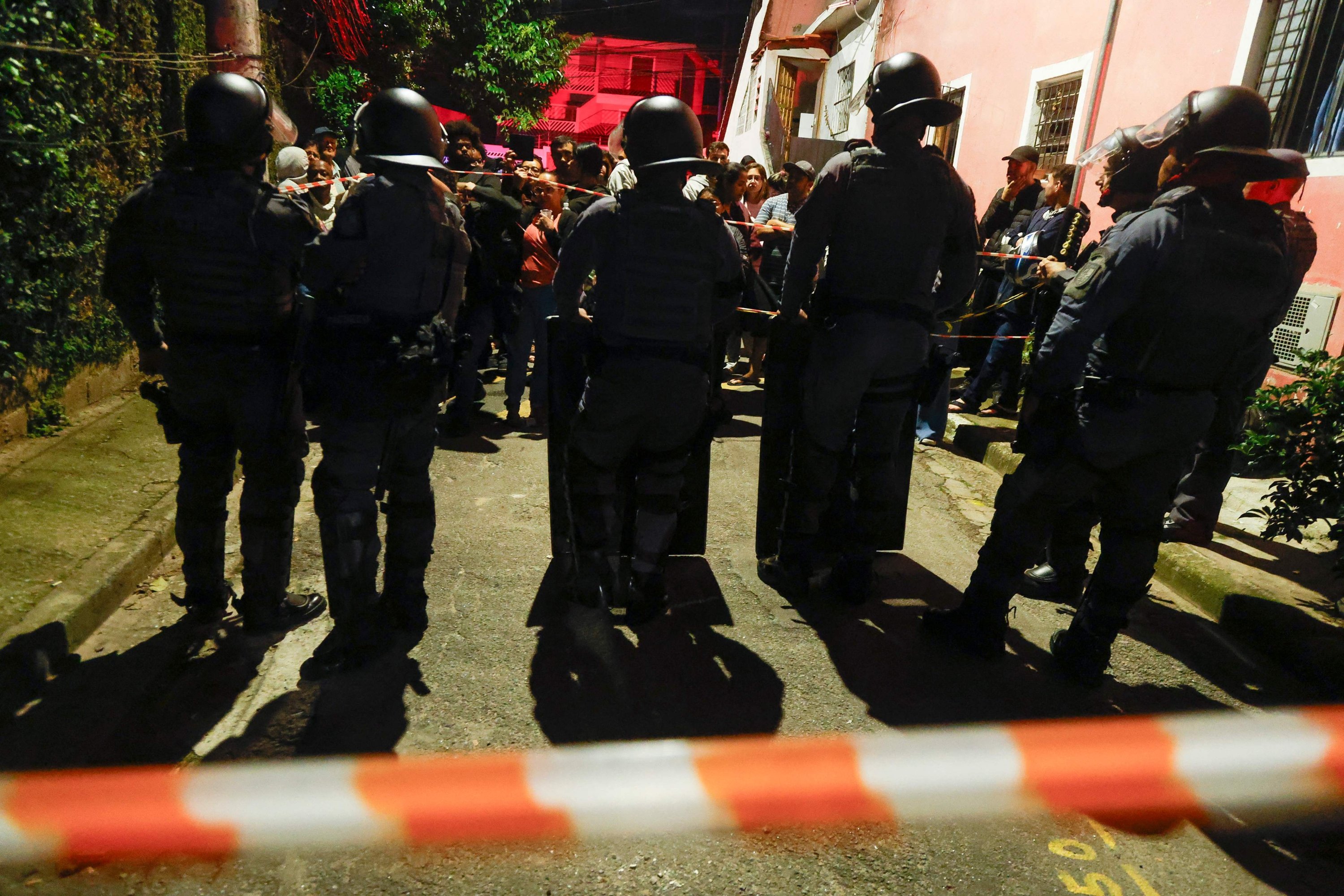
Brazil Rejects U.S. Designation of Drug Gangs as Terrorist Groups
Official Brazilian Response
Brazil’s government on Friday rejected a U.S. decision to designate certain Brazilian criminal organizations as terrorist groups, describing the step as legally unclear and likely to complicate existing cooperation against narcotics trafficking. Foreign Minister Mauro Vieira stated that the measure “lacks precision and risks undermining joint law-enforcement efforts that have been built over decades.” The U.S. action, announced by the State Department on Thursday, applies to the Primeiro Comando da Capital (PCC) and Comando Vermelho, two organizations long identified by Brazilian authorities as dominant in domestic prison-based crime and cross-border drug routes. Brazilian officials said the designations were conveyed through diplomatic channels without prior consultation on implementation details.Statement from the Foreign Ministry
In a statement released by the Ministry of Foreign Affairs in Brasília, Vieira said the Brazilian government had “taken note” of the U.S. list but would not alter its domestic legal framework or intelligence-sharing protocols to accommodate the new category. “Brazil already treats these groups as criminal organizations under existing legislation,” the statement read. “Introducing a parallel terrorist designation without corresponding domestic law creates confusion for prosecutors and police.” President Luiz Inácio Lula da Silva’s office confirmed that the matter had been discussed in the morning cabinet meeting. A senior adviser, speaking on condition of anonymity in line with protocol, said Lula instructed ministries to maintain routine cooperation with U.S. agencies while seeking clarification on any new legal obligations.Background on the Groups
The PCC and Comando Vermelho emerged in São Paulo and Rio de Janeiro prisons in the 1990s. Brazilian federal police data show the PCC now maintains influence in at least 16 states and maintains documented links to cocaine flows originating in BoliviBy Malik Hassan, Staff Writer
This article was produced with AI-assisted research and editorial support. Reporting is based on sources cited in the article.
What's Your Reaction?
 Like
0
Like
0
 Dislike
0
Dislike
0
 Love
0
Love
0
 Funny
0
Funny
0
 Wow
0
Wow
0
 Sad
0
Sad
0
 Angry
0
Angry
0

Malik Hassan
Middle East Correspondent at Global1.News. Based in Beirut, covering politics, conflict, energy, and society across the Middle East. Brings context and depth to a region often reduced to headlines.












Comments (0)