
Yamada Denki and Edion Explore Business Integration to Bolster Procurement and Product Development
Yamada Denki and Edion Explore Business Integration to Bolster Procurement and Product Development Details of the Proposed Integration Yamada Denki Co., Ltd. and Edion Corporation, two of Japan's largest consumer electronics retailers, are exploring a business integration. The companies aim to strengthen their capabilities in procurement and the development of original brand pr
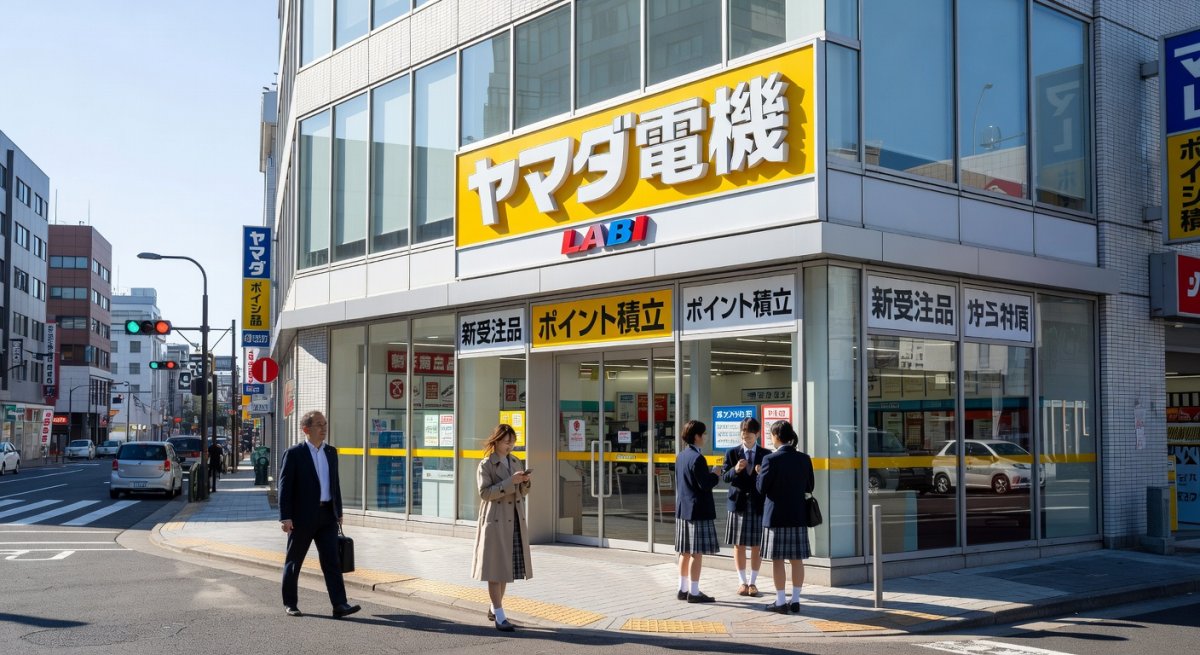
Details of the Proposed Integration
Yamada Denki Co., Ltd. and Edion Corporation, two of Japan's largest consumer electronics retailers, are exploring a business integration. The companies aim to strengthen their capabilities in procurement and the development of original brand products through this move. As of the reporting date, the discussions remain at the exploratory stage, with no final agreement announced.
Current State of Japan's Consumer Electronics Retail Market
Japan's consumer electronics retail sector has experienced ongoing contraction due to demographic shifts and changing purchasing patterns. Yamada Denki and Edion operate within this environment, where physical store networks face reduced foot traffic. The integration effort reflects broader consolidation trends observed across the industry as retailers seek scale to offset domestic market shrinkage.
Both companies have established positions in the sale of appliances, electronics, and related goods. Their combined operations could create efficiencies in sourcing components and negotiating with manufacturers, though the precise structure of any integration has yet to be defined in public statements.
Competitive Pressures from Online Platforms and Discount Retailers
Online retailers such as Amazon have captured significant market share by offering convenience and competitive pricing in consumer electronics. This has placed sustained pressure on traditional brick-and-mortar chains in Japan. Yamada Denki and Edion have responded by developing their own e-commerce channels, yet the integration talks indicate that further measures are under consideration to address these competitive dynamics.
Discount-oriented players have also intensified competition by focusing on lower prices for standard products. The proposed integration targets procurement improvements that could help counter these pricing challenges while supporting the creation of differentiated original brand items.
Implications for Consumers, Suppliers, and the Broader Retail Sector
For consumers, a successful integration might lead to wider availability of original brand products and potentially more competitive pricing on select items, depending on how procurement savings are passed along. However, reduced competition among major physical retailers could limit choices in certain regions over time.
Suppliers of electronics components and finished goods may encounter fewer but larger buyers, which could alter negotiation dynamics. In the wider Japanese retail sector, the move aligns with patterns of consolidation that allow companies to pool resources amid slower overall consumption growth.
Historical Context of Consolidation in Japanese Retail
Previous examples of consolidation in Japan's electronics retail space include the alliance between Bic Camera and Kojima. Those steps were taken to achieve similar goals of improved buying power and operational scale. Yamada Denki and Edion now appear to be following a comparable path in response to the same underlying market conditions.
Such moves have historically allowed surviving retailers to maintain relevance as independent operators faced challenges from both digital competitors and shifting consumer preferences toward online purchasing.
Outlook for the Japanese Electronics Retail Sector
The exploratory nature of the Yamada Denki and Edion discussions suggests that any integration would require careful regulatory review and internal approvals before implementation. If completed, the combined entity could influence future strategies among remaining competitors in the sector.
Japan-specific factors, including an aging population and preference for quality-branded goods, will likely shape how the companies position their original products following any integration. Observers will monitor announcements for concrete timelines and operational details as talks progress.
By Kenji Tanaka, Staff WriterThis article was produced with AI-assisted research and editorial support. Reporting is based on sources cited in the article.
What's Your Reaction?
 Like
0
Like
0
 Dislike
0
Dislike
0
 Love
0
Love
0
 Funny
0
Funny
0
 Wow
0
Wow
0
 Sad
0
Sad
0
 Angry
0
Angry
0

Japan Correspondent at Global1.News. Tokyo-based voice covering Japanese politics, technology, economy, and culture. Tracks the intersection of tradition and innovation in one of the world's most dynamic societies.















Comments (0)