
US Retail Sales Plunge 1 Percent in March as Consumers Confront Smaller Refunds and Rising Caution
Sharp Decline in March Retail Sales Exceeds Expectations The Commerce Department reported that retail sales fell 1 percent in March from the prior month, a steeper drop than the 0.4 percent decline economists had anticipated according to Refinitiv forecasts. This marked an acceleration from the revised 0.2 percent decline recorded in February and highlighted how quickly househo
Sharp Decline in March Retail Sales Exceeds Expectations
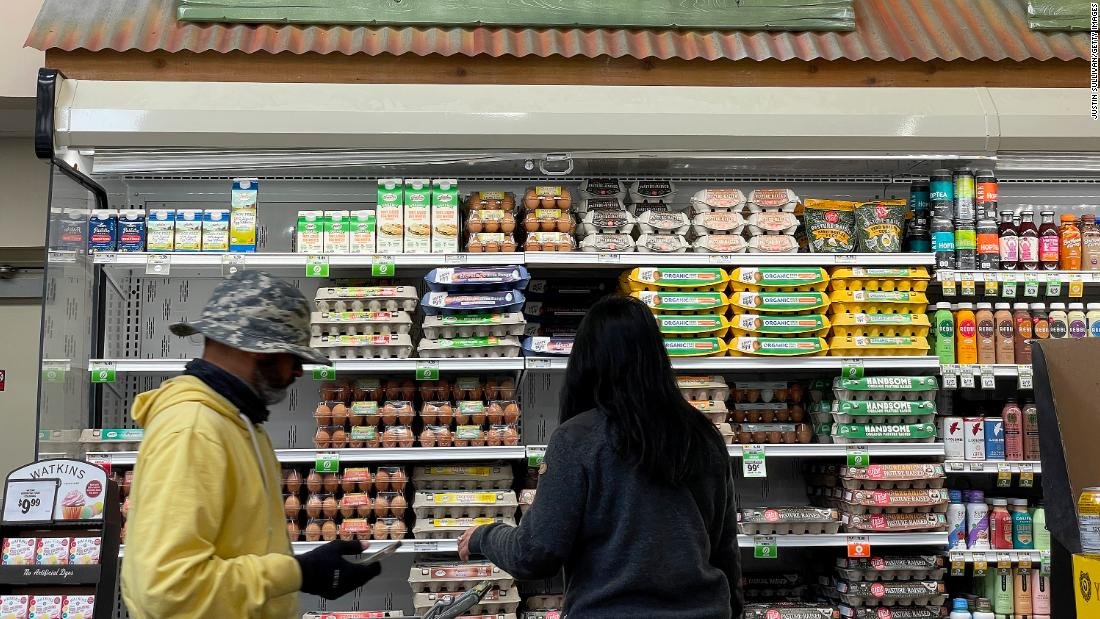
The Commerce Department reported that retail sales fell 1 percent in March from the prior month, a steeper drop than the 0.4 percent decline economists had anticipated according to Refinitiv forecasts. This marked an acceleration from the revised 0.2 percent decline recorded in February and highlighted how quickly household spending can shift when external supports weaken. For working families already managing higher grocery bills and mortgage rates, the pullback translated into fewer purchases of everyday items and big-ticket goods alike. Historically, March has served as a key spending month because tax refunds typically arrive then, yet this year the pattern broke sharply compared with the stronger gains seen in March 2022.
Aditya Bhave, senior US economist at BofA Global Research, noted that March is a really important month for refunds, and many households had expected amounts similar to last year. The absence of those funds forced families to prioritize essentials over discretionary buys, a shift that reverberated through department stores and appliance retailers. Economists tracking the data emphasized that the 1 percent monthly drop, when viewed against the prior twelve months of modest growth, signaled an abrupt change in momentum. Broader economic implications include slower growth in consumer-driven sectors that employ millions of retail workers across the country.
Year-over-year retail sales still rose 2.9 percent, providing a thin cushion that prevented an outright contraction in annual terms. Working families felt the monthly weakness most acutely because inflation-adjusted purchasing power had already eroded over the previous year. Bhave’s analysis placed the March figure in context with earlier periods when refund timing aligned more closely with spending surges. The overall economy now faces the risk that sustained monthly declines could weigh on GDP readings later in the spring.
Analysts at multiple banks stressed that the Commerce Department data, adjusted only for seasonality and not inflation, painted a clearer picture of real-time consumer restraint. For households earning average wages, the combination of smaller refunds and higher prices meant stretching budgets further than in March of prior years. This development carried implications for retailers planning inventory and hiring, many of whom had counted on continued post-pandemic recovery spending. The gap between expected and actual results underscored how sensitive monthly figures remain to shifts in government payment schedules.
Tax Refunds and SNAP Cuts Hit Household Budgets Hard
The IRS issued 84 billion dollars in tax refunds during March 2023, roughly 25 billion dollars less than the total distributed in March 2022. This shortfall directly reduced the cash available to millions of working families who rely on refunds to catch up on bills or make larger purchases. BofA card spending per household fell to its slowest pace in more than two years, reflecting both the smaller refunds and the February expiration of enhanced SNAP benefits. Economists noted that the combined effect created a sudden hole in monthly budgets that had not existed in the same form during 2021 or 2022.
Aditya Bhave explained that many consumers had planned around last year’s larger refund amounts, leaving them unprepared when checks arrived smaller. For lower-income households that had depended on extra SNAP allotments, the February cutoff removed another steady stream of support just as spring expenses rose. Historical comparisons show that similar benefit cliffs in past decades produced comparable short-term spending drops before households adjusted. The broader economy absorbed part of the shock through reduced retail velocity, which in turn pressured suppliers and logistics firms.
Michelle Meyer, North America chief economist at Mastercard Economics Institute, observed that income growth and balance-sheet health still offered some support, yet the immediate refund gap proved difficult to offset quickly. Working families in regions with higher living costs felt the pinch first, often delaying purchases of clothing and household goods. Data from BofA researchers confirmed that debit and credit transactions moderated across multiple categories once the smaller refunds became clear. This pattern carried implications for state sales-tax collections that help fund schools and infrastructure.
The timing of the SNAP expiration amplified the refund shortfall because both changes landed within weeks of each other. Families that had used enhanced benefits for groceries suddenly faced tighter food budgets at the same moment refund checks shrank. Economists tracking household cash flow warned that the dual hit could extend beyond March if wage growth continues to moderate. The episode illustrated how policy changes interact with seasonal payment cycles to shape consumer behavior in measurable ways.
Weakness Concentrated in Key Retail Sectors
Spending at general merchandise stores dropped 3 percent in March, while gas-station sales fell 5.5 percent from February levels. These two categories alone accounted for a sizable share of the overall 1 percent retail decline and pointed to reduced purchases of clothing, household items, and fuel. Excluding gas stations, retail spending still retreated 0.6 percent, showing that the weakness extended beyond energy prices. Working families responded by postponing non-essential trips and consolidating shopping lists, a behavioral shift visible in transaction data.
Year-over-year figures remained positive at 2.9 percent, yet the monthly contraction raised questions about whether the annual cushion would hold through spring. Historical data from earlier slowdowns indicate that concentrated drops in general merchandise often precede wider retail softness when consumer confidence wavers. BofA analysts linked part of the durable-goods pullback to the smaller tax refunds that normally finance appliance and furniture purchases. The broader economy felt the effects through slower factory orders and reduced warehouse activity.
Gas-station declines reflected both lower prices at the pump and fewer miles driven as households trimmed discretionary travel. For rural and suburban families, this translated into measurable savings that were redirected toward necessities rather than additional spending. Economists noted that the 5.5 percent monthly drop stood out against milder fluctuations recorded in the same month of 2022. Retailers in these sectors began adjusting staffing and inventory plans in anticipation of continued caution.
The combination of weaker general-merchandise and gas-station readings underscored how specific categories can drive headline results even when other areas hold steady. Working families experienced the changes as higher relative costs for remaining purchases once refunds proved smaller. Meyer highlighted that labor-market income still provided a foundation, but sector-level softness could spread if confidence erodes further. These developments carried implications for commercial real-estate owners who lease space to affected retailers.
Labor Market Shows Signs of Cooling Despite Job Gains
Employers added 236,000 jobs in March, a solid figure by historical standards yet below the average monthly pace of the prior six months. The Bureau of Labor Statistics also reported that average hourly earnings rose 4.2 percent over the year, the smallest annual increase since June 2021. JOLTS data revealed that job openings had fallen more than 17 percent from their March 2022 peak of 12 million, signaling reduced hiring momentum. Working families saw these trends in longer job-search times and fewer opportunities for wage negotiations.
Joanne Hsu, director of the surveys of consumers at the University of Michigan, noted that households were expecting a downturn and waiting for the other shoe to drop. The cooling labor market tempered earlier optimism that strong employment would fully offset weaker retail readings. Historical comparisons with 2019 show that similar declines in job openings often preceded broader slowdowns once interest-rate effects accumulated. Fed economists incorporated these signals into forecasts that placed recession risks later in 2023.
Revised unemployment-claims data indicated higher filings than previously reported, adding to evidence that the labor market had lost some steam. For middle-income households, slower wage growth meant real earnings gains remained modest after inflation. Economists at the Federal Reserve linked the moderation in openings to higher borrowing costs that discouraged business expansion. The broader economy now faces the possibility that further labor-market softening could weigh on consumer spending through the summer.
Michelle Meyer emphasized that the overall employment picture remained favorable compared with pre-pandemic benchmarks, yet the direction of travel pointed toward gradual cooling. Working families monitored these shifts closely because job stability directly influences spending decisions on everything from groceries to vehicles. The 236,000-job gain still exceeded most recessionary months, but the gap versus earlier 2023 averages illustrated the changing trajectory. These labor trends carried implications for Fed policy deliberations scheduled throughout the spring.
Consumer Sentiment Holds but Inflation Fears Rise
University of Michigan consumer sentiment held steady in April despite the earlier banking-sector turbulence, yet year-ahead inflation expectations jumped from 3.6 percent in March to 4.6 percent in April. Joanne Hsu stated that consumers did not perceive material changes in the economic environment during April, even as higher gas prices lifted expectations. Working families expressed continued caution rooted in memories of last summer’s higher inflation readings. The shift in expectations suggested that households were pricing in greater cost pressures ahead.
Historical context from 2022 shows that similar one-percentage-point increases in inflation expectations often coincided with reduced willingness to make large purchases. Hsu’s surveys captured households balancing steady employment against worries that the next economic shock could arrive soon. The broader economy absorbed these mixed signals through stable but unspectacular retail performance outside the March dip. Economists viewed the steady sentiment reading as evidence that banking concerns had not yet translated into widespread fear.
For families managing variable-rate debt or planning major expenses, the rise in inflation expectations added another layer of uncertainty. Meyer noted that balance-sheet strength and income growth continued to support spending capacity even as expectations shifted. The University of Michigan data aligned with other indicators showing that consumers remained attentive to price developments at the pump and grocery store. These dynamics carried implications for retailers setting prices and for policymakers gauging the persistence of inflation.
The gap between steady sentiment and rising inflation expectations highlighted how households can maintain baseline confidence while adjusting specific forecasts. Working families in high-cost regions reported particular sensitivity to the April uptick in expected price growth. Hsu’s remarks underscored that consumers were preparing for potential downturns without yet feeling the acute pessimism of mid-2022. The pattern suggested that future spending decisions would hinge on whether actual inflation matched the newly elevated expectations.
Outlook Points to Potential Recession Later in 2023
Federal Reserve economists forecast that the US economy would enter recession later in 2023 as the lagged effects of higher interest rates took hold. This projection incorporated both the March retail weakness and the cooling trajectory in job openings. Working families now weigh the possibility of reduced hours or layoffs against ongoing price pressures when planning household budgets. The combination of smaller refunds, expired benefits, and moderating wage growth created conditions that could amplify any further downturn.
Aditya Bhave and other bank economists stressed that March’s data reflected temporary factors alongside deeper labor-market shifts. Historical episodes from 2008 and 2020 demonstrate that consumer retrenchment can accelerate once recession signals multiply. The broader economy faces the risk that sustained retail softness could feed into weaker corporate earnings and reduced capital spending. Fed projections placed the recession timing after mid-year, allowing time for additional data to clarify the path.
Michelle Meyer maintained that the fundamental supports for consumer spending remained intact, including solid employment levels and accumulated savings. Yet she acknowledged that the March pullback illustrated how quickly those supports can be tested when multiple headwinds converge. Working families in service-sector jobs watched the JOLTS decline closely because fewer openings often precede slower hiring in their industries. The outlook therefore hinged on whether labor-market cooling remained gradual or accelerated.
Joanne Hsu’s observation that consumers were waiting for the other shoe to drop captured the prevailing mood of cautious anticipation. The 2.9 percent year-over-year retail gain offered limited reassurance when monthly trends pointed downward. Economists across institutions agreed that policy responses would need to balance inflation control against the growing possibility of contraction later in the year. These developments carried lasting implications for household financial planning and for the trajectory of the US economy through 2024.
By Jessica Ali, Staff WriterThis article was produced with AI-assisted research and editorial support. Reporting is based on sources cited in the article.
What's Your Reaction?
 Like
0
Like
0
 Dislike
0
Dislike
0
 Love
0
Love
0
 Funny
0
Funny
0
 Wow
0
Wow
0
 Sad
0
Sad
0
 Angry
0
Angry
0

Editor-in-Chief at Global1.News. Atlanta-based journalist who cuts through the BS and tells it like it is. Lead anchor, host, and the voice you hear when the spin stops and the truth starts.















Comments (0)