
Trump Issues Final Warning to Iran as Oman Hormuz Talks Advance and Gulf Allies Push for Deal
The US-Iran confrontation over the Strait of Hormuz has entered a volatile new phase six months after the February 28, 2026 outbreak of war, with Washington issuing ultimatums while Tehran insists on sovereign guarantees before any easing of the blockade. Regional powers including Saudi Arabia, the UAE and Qatar have inserted themselves as mediators, warning that further escalation risks uncontrollable spillover across the Gulf and beyond.
The US-Iran confrontation over the Strait of Hormuz has entered a volatile new phase six months after the February 28, 2026 outbreak of war, with Washington issuing ultimatums while Tehran insists on sovereign guarantees before any easing of the blockade. Regional powers including Saudi Arabia, the UAE and Qatar have inserted themselves as mediators, warning that further escalation risks uncontrollable spillover across the Gulf and beyond. This diplomatic contradiction now shapes energy markets, alliance calculations and the future of Iran's nuclear program.
Trump Issues Final Warning to Iran as Oman Hormuz Talks Advance and Gulf Allies Push for Deal
Beirut, Lebanon – August 4, 2026 — The diplomatic contradiction between Washington and Tehran is the central feature of a conflict now in its sixth month. Trump claims negotiations are imminent; Iran's Foreign Ministry spokesman Esmaeil Baghaei says no talks exist and no delegations are planned either direction, with Iran's only active channel being talks with Oman over the Strait of Hormuz.
The Diplomatic Contradiction
President Trump posted on Truth Social that Iran had “asked for a meeting, some would say beg,” while labeling Iranian leadership “unbelievably duplicitous.” He vowed the blockade would continue until “a Deal, or Total Surrender,” branding the pressure “The United States Wall of Steel!” and declaring “IRAN WILL NEVER HAVE A NUCLEAR WEAPON!” Iranian officials immediately rejected any notion of capitulation, with Baghaei stating that Tehran seeks only a route that respects sovereign rights and national security interests.
Foreign Minister Abbas Araghchi told IRNA that Oman negotiations “were on track for finalisation and were going through their final stages.” Baghaei clarified that any agreement “will in no way return to the status it was before February 28th” and that the situation remains unchanged unless Washington lifts the blockade of Iranian ports. This gap between American triumphalism and Iranian insistence on dignity underscores how both sides are managing domestic audiences while testing the other’s resolve.
Great-power competition adds another layer to these exchanges, as Russia and China monitor the standoff for opportunities to expand influence in energy corridors and arms markets. Their quiet diplomatic signals to Tehran could prolong Iranian resistance by offering alternative economic lifelines, complicating Washington’s maximum-pressure approach and testing the cohesion of Gulf partners who balance ties with all three capitals.
The Strategic Calculus
Trump described a two-phase plan in which “the first phase is the opening of the straits. The second phase will be the denuclearisation.” He told reporters that “this is the last chance for them to sign a good document” and warned that Iran faced “decapitation” without a deal. The Guardian noted this marks the 12th time Trump has called off threatened strikes, revealing a pattern of maximum pressure followed by claims that agreement is near.
Tehran’s endurance estimates contradict Washington’s narrative of imminent collapse. An NDTV-cited assessment concluded Iran could survive the blockade for 90-120 days. Iranian media reported the execution of two people accused of spying for Israel, signaling internal consolidation even as external pressure mounts. Both capitals are therefore calibrating how far to push before risking uncontrolled escalation.
Sunni-Shia dynamics further shape these calculations, with Gulf Sunni states wary that prolonged confrontation could empower Shia networks across the region while Iran seeks to portray itself as defender of shared Muslim interests against external intervention.
Historical Background
The war launched on February 28, 2026 by the United States alongside Israel with the stated goals of destroying Iran’s nuclear industry, missile capabilities and regional support networks. More than five months later, Iran continues to fire missiles and drones while retaining enriched uranium stockpiles. The conflict has already reshaped Gulf security calculations and exposed limits to external military coercion.
Trump and Israeli Prime Minister Benjamin Netanyahu met in Washington to explore a mix of diplomacy, economic pressure and force. Tehran continues to deny any intention to develop nuclear weapons. The persistence of enriched uranium and missile activity demonstrates that core Iranian capabilities have survived the initial campaign, forcing Washington to confront the gap between declared objectives and battlefield realities.
Parallels to the 1980s Tanker War and the 2019 attacks on Saudi Aramco facilities at Abqaiq highlight recurring vulnerabilities in Gulf energy infrastructure, reminding regional leaders that even limited disruptions can cascade into broader instability affecting global supply chains.
Gulf Mediation
Trump canceled planned strikes after phone calls from Qatar, the UAE and Saudi Arabia. In one conversation, Crown Prince Mohammed bin Salman warned of unintended consequences, stating “we would much prefer a deal as opposed to an attack, because you don’t know where these attacks lead.” Araghchi held separate calls with Saudi Foreign Minister Prince Faisal bin Farhan and Pakistan army chief General Asim Munir, widening the circle of regional actors seeking de-escalation.
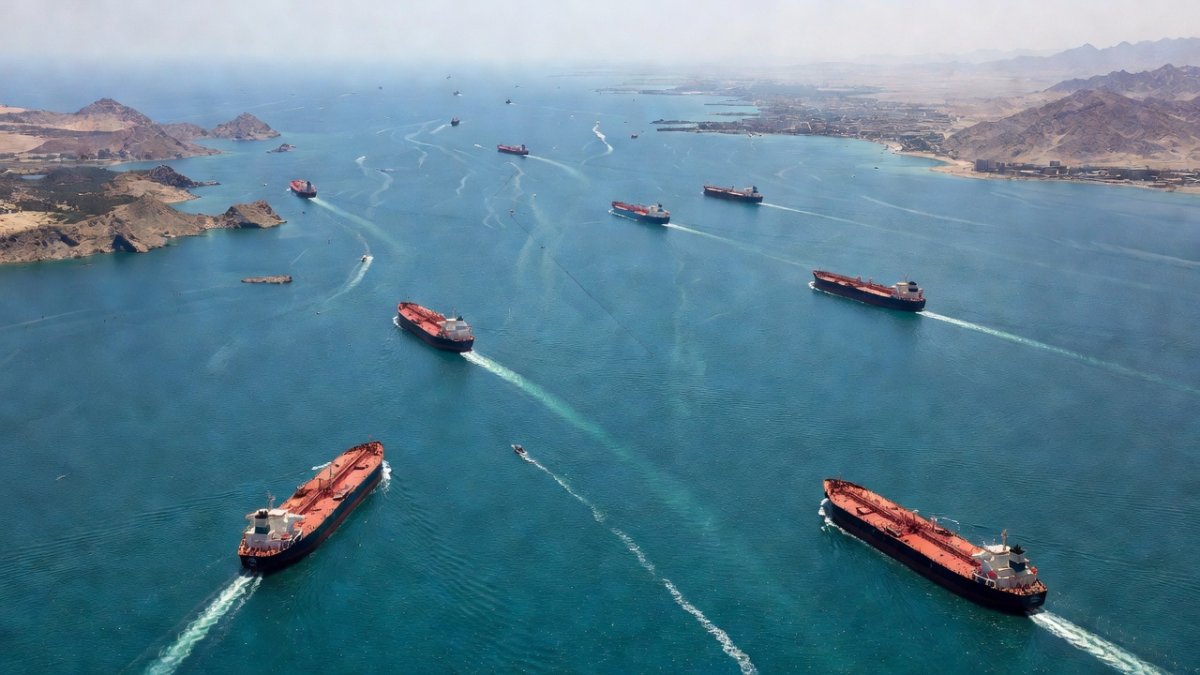
Two Saudi oil tankers crossed the Bab el-Mandeb strait over the weekend despite Houthi threats, illustrating Riyadh’s determination to maintain energy flows even amid heightened risk. These Gulf interventions reflect a shared interest in avoiding another round of direct conflict that could destabilize ruling families and derail diversification plans across the Arabian Peninsula.
Gulf economic diversification efforts under Vision 2030 gain urgency from this crisis, as Saudi Arabia and the UAE accelerate non-oil investments to buffer against prolonged Hormuz volatility. The Abraham Accords context further encourages these states to prioritize stable energy exports that sustain partnerships with both Washington and emerging Asian markets.
The mediation by Gulf states such as Qatar, the UAE and Saudi Arabia, which prompted Trump to cancel strikes for the 12th time, illustrates their determination to avoid direct confrontation between Washington and Tehran. MBS specifically cautioned against unintended consequences that could destabilise the region, while Araghchi's recent calls with Saudi Foreign Minister Prince Faisal bin Farhan signal ongoing efforts to manage tensions. These initiatives reflect a broader priority of shielding energy infrastructure and long-term development plans from spillover effects of the conflict that began on February 28, 2026.
Energy Markets
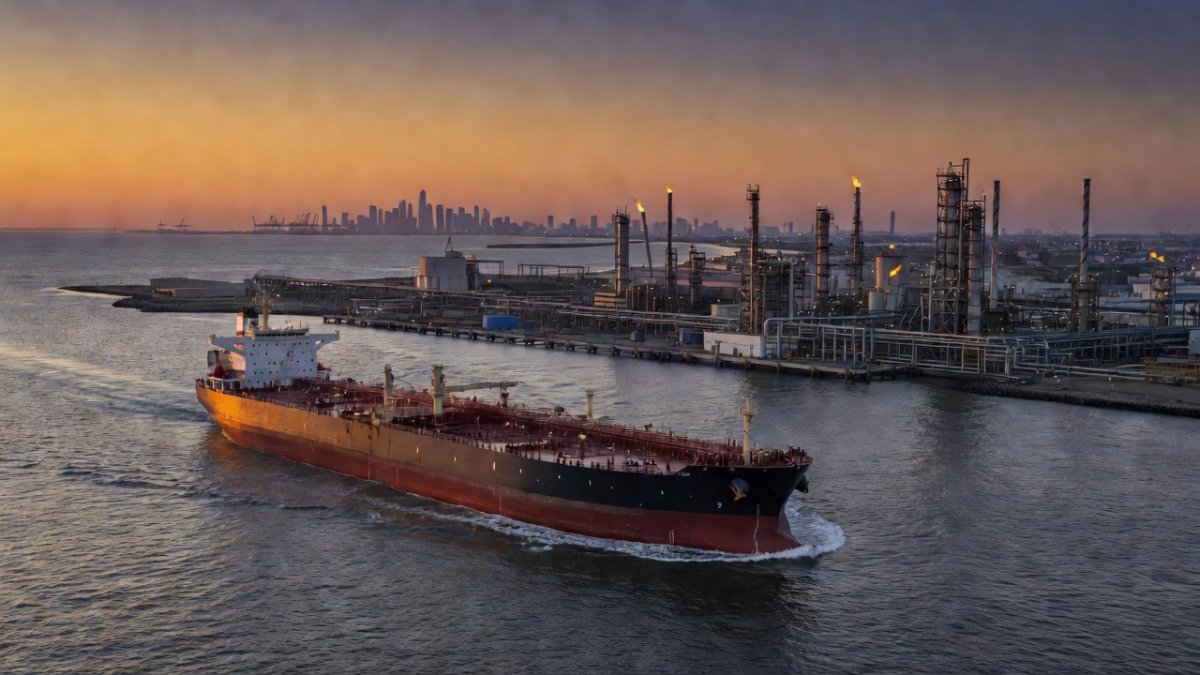
The Strait of Hormuz carried about 20 percent of the world’s oil and LNG before the war and has remained largely closed since February 28, driving energy prices higher and feeding broader inflation. On August 2-3 reporting, Brent futures fell $4.19 (4.8 percent) to $83.74 while WTI dropped $4.92 (5.8 percent) to $79.75, reaching a three-week low on signs that Oman-mediated talks might ease the bottleneck.
Trump claimed the strait could open “literally by tomorrow,” yet any reopening remains conditional on Iranian acceptance of Washington’s terms. The price relief already visible in futures markets shows how even tentative diplomatic movement can shift global energy calculations, though sustained volatility is expected until a durable arrangement emerges.
OPEC+ diplomacy, including the scheduled 188,000 bpd increase in September, offers a narrow window for coordinated supply adjustments that could stabilize prices if Hormuz talks progress, yet any misstep risks amplifying inflationary pressures already felt across import-dependent economies.
Prolonged closure of the Strait of Hormuz, which previously carried roughly 20 percent of global oil and LNG supplies, has already contributed to inflationary pressures and prompted OPEC+ to schedule an increase of 188,000 barrels per day in September. Major Asian importers reliant on Gulf crude and LNG would face acute supply shortfalls, accelerating draws from strategic petroleum reserves and spurring searches for alternative routes. Recent sharp declines in Brent and WTI prices underscore how quickly market volatility could intensify if the standoff extends beyond Iran's estimated 90-to-120-day endurance capacity.
The Nuclear Question
Trump reiterated on Truth Social that “IRAN WILL NEVER HAVE A NUCLEAR WEAPON!” and framed the second phase of his plan as denuclearisation. Israeli Energy Minister Eli Cohen declared that “with or without an agreement… if Iran attempts to renew its nuclear programme or advance its ballistic missile industries, we will be there. We will take action, and we will strike.”
Netanyahu’s recent Washington meetings with Trump explored how diplomacy, sanctions and the threat of force might converge. Iran’s refusal to relinquish enriched uranium stockpiles or missile programs remains the central obstacle, ensuring that any Hormuz deal will be judged in Jerusalem and Washington primarily through the lens of non-proliferation.
Turkey’s role as a potential bridge in these nuclear discussions grows more visible, given Ankara’s interest in balancing NATO commitments with energy security ties that could facilitate back-channel communications if Oman talks stall.
Washington's repeated warnings that time is running out on Iran's nuclear programme stand in contrast to Tehran's continued possession of enriched uranium stockpiles and missile capabilities after more than five months of conflict. Any subsequent denuclearisation phase outlined by Trump would encounter familiar obstacles around verification mechanisms and enrichment rights that previously complicated the 2015 JCPOA framework. Israel's Energy Minister Eli Cohen has already vowed strikes should Iran resume nuclear or ballistic missile advances, adding further complexity to sequencing strait reopening with longer-term non-proliferation goals.
Regional Implications
Iran’s reported ability to endure the blockade for 90-120 days undercuts Trump’s narrative of quick victory and raises the prospect of prolonged economic pain for global consumers. Trump’s “last chance” and “decapitation” language signals that Washington views the current window as decisive, yet repeated pullbacks from strikes suggest caution about second-order effects across the region.
Should Oman talks produce even a limited opening of the strait, Gulf states will gain breathing room for their diversification agendas while Iran preserves core leverage. Conversely, renewed deadlock risks drawing in additional actors, from Pakistan to Turkey, and further entangling the Israeli-Palestinian arena with the wider Sunni-Shia and great-power competition already reshaping the Middle East.
By Malik Hassan, Staff Writer
This article was produced with AI-assisted research and editorial support. Reporting is based on sources cited in the article.
What's Your Reaction?
 Like
0
Like
0
 Dislike
0
Dislike
0
 Love
0
Love
0
 Funny
0
Funny
0
 Wow
0
Wow
0
 Sad
0
Sad
0
 Angry
0
Angry
0

Middle East Correspondent at Global1.News. Based in Beirut, covering politics, conflict, energy, and society across the Middle East. Brings context and depth to a region often reduced to headlines.










Comments (0)