
ICC Unseals Warrants for Four Taliban Leaders Accused of Persecuting Afghan Women
The International Criminal Court has unsealed four arrest warrants against senior Taliban figures, accusing them of the crime against humanity of gender persecution against Afghan women and girls.
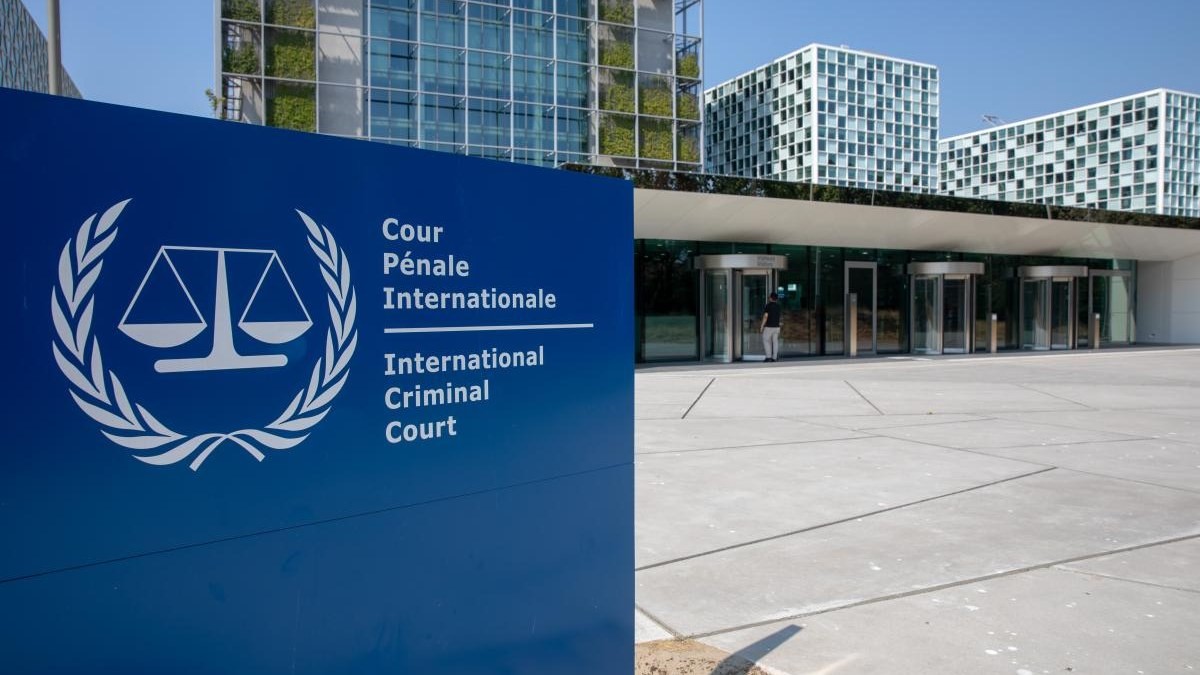
The International Criminal Court has unsealed four arrest warrants against the most powerful men in the Taliban. They are accused of the crime against humanity of gender persecution against women, girls and people the court says do not conform to the Taliban's policy on gender. The warrants were issued in secret in July and September 2025. Now the world can see who the judges named.
ICC Unseals Warrants for Four Taliban Leaders Accused of Persecuting Afghan Women
The Hague, Netherlands — The International Criminal Court unsealed four arrest warrants on Monday 5 October 2026 against senior Taliban leaders accused of the crime against humanity of persecution. Pre-Trial Chamber II named Haibatullah Akhundzada, Abdul Hakim Haqqani, Habibullah Agha and Neda Mohammad Nadim. The court says the persecution ran on Afghan territory from 15 August 2021 until at least 20 January 2025. The warrants were issued in July and September 2025. Two of the four were already known to exist. The other two were not.
The Four Men the Court Named
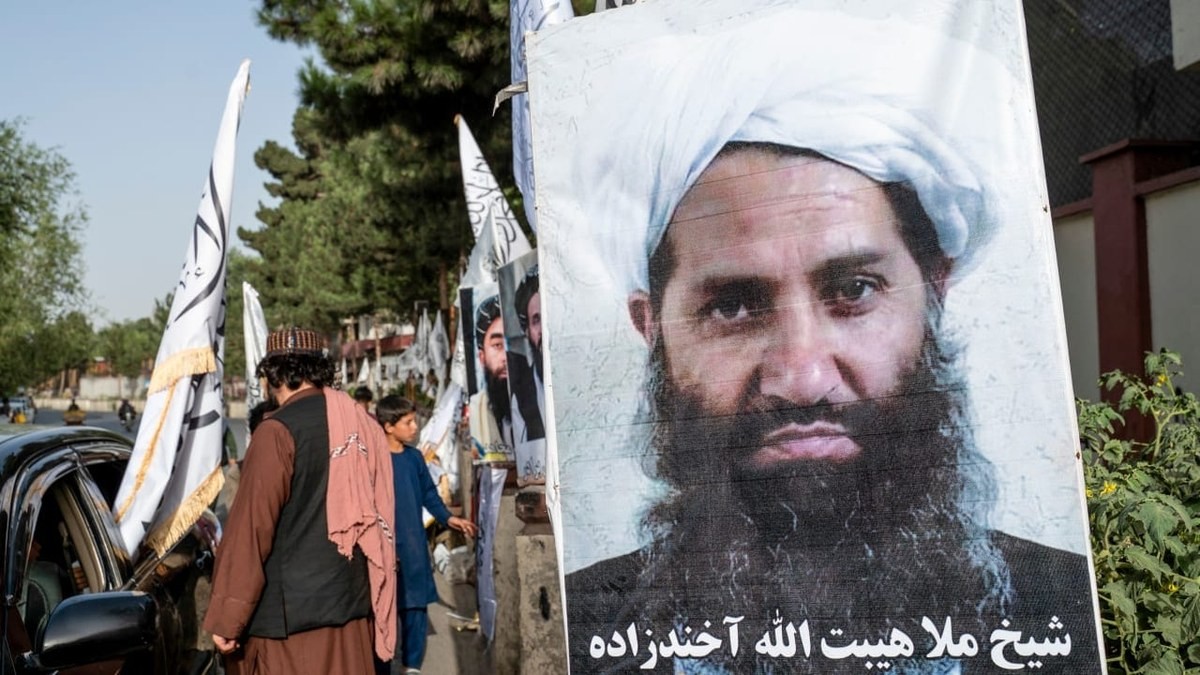
Folks, here is who the court is looking for. Haibatullah Akhundzada is the Taliban's supreme leader. The ICC says he has exercised de facto authority in Afghanistan at least since 15 August 2021. Abdul Hakim Haqqani has served as chief justice since 2021. The Associated Press reports he heads Afghanistan's Supreme Court. Habibullah Agha is the education minister. Neda Mohammad Nadim is the minister of higher education. Those last two names are new. The court had kept their warrants sealed until now. The first two warrants, for Akhundzada and Haqqani, were issued on 8 July 2025. The court made their existence public that same day but kept the contents sealed. The second batch was issued on 9 September 2025. Middle East Eye reported in August 2026 that judges had issued two secret warrants that September for two further senior Taliban members, on new evidence and new alleged victims. The outlet did not disclose their identities at the time. On Monday, the court did.
What the Chamber Found
Look at the language the judges used. Pre-Trial Chamber II said there were reasonable grounds to believe all four suspects are criminally responsible for ordering, inducing or soliciting persecution under article 7(1)(h) of the Rome Statute. The persecution, the chamber found, was carried out on gender grounds against girls, women and other persons non-conforming with the Taliban's policy on gender, gender identity or expression. It was also carried out on political grounds against people perceived as allies of girls and women. The judges said the Taliban implemented a governmental policy that resulted in severe violations of fundamental rights and freedoms for Afghan civilians. They linked that policy to conduct including murder, imprisonment, torture, rape and enforced disappearance. And they drew a line the Taliban cannot talk its way out of. While the Taliban imposed rules on the whole population, the chamber found they specifically targeted girls and women by reason of their gender, stripping them of fundamental rights and freedoms. That is the core of the case.
A First in International Law: Gender Beyond Biology
This is the part lawyers will be arguing about for years. The chamber found that the definition of gender in the Rome Statute requires an interpretation that goes beyond a purely biological conception of sex. It said the definition requires acknowledging the socially constructed roles, behaviours, expectations and hierarchies traditionally associated with individuals on the basis of their sex. The court calls those gender norms. UN News reports the judges said this interpretation is in line with current developments in international law. Middle East Eye called the Taliban warrants a historic precedent. It reported they mark the first time the ICC or any other international tribunal has recognised LGBTQ+ victims. That is not a small thing. The chamber also found that gender persecution covers more than direct acts of violence. It encompasses systemic and institutionalised forms of harm, including the imposition of discriminatory societal norms. Read that again. The rules themselves can be the crime.
The Decrees That Closed the Classroom
Now to the conduct. The chamber pointed to decrees and edicts that deprived girls and women of the rights to education, privacy and family life, and the freedoms of movement, expression, thought, conscience and religion. The numbers behind that are staggering. UNICEF says more than 2.6 million girls in Afghanistan have been denied their right to an education in the five years since the Taliban banned them from attending school beyond the sixth grade. Afghanistan is the only country in the world where secondary and higher education are closed to girls and women. Higher education has been banned since December 2022. The bans also cover midwife courses. The Georgetown Institute for Women, Peace and Security reported in June 2026 that the Taliban have issued 264 decrees affecting human rights, including 166 that specifically target the rights of Afghan women and girls. The United Nations has described the restrictions as tantamount to gender apartheid. The classroom door did not close by accident. It was closed by decree.
A Government That Polices Women
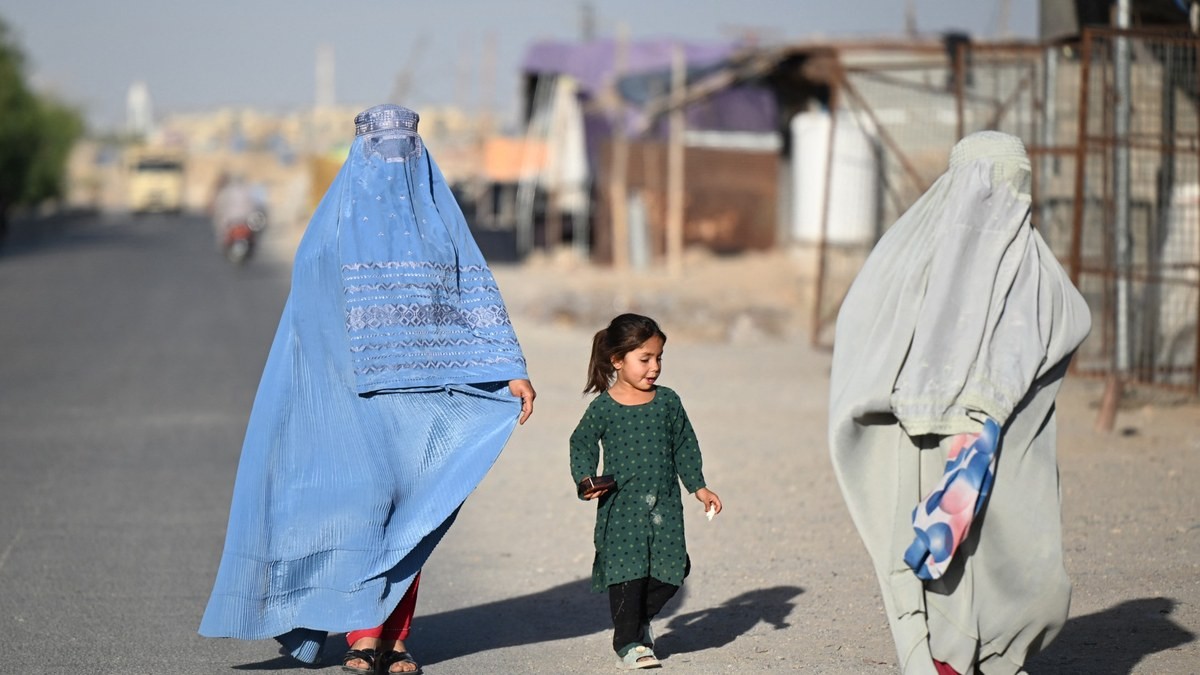
The court is not describing random cruelty. It is describing a system. The chamber found that other persons were targeted because certain expressions of sexuality or gender identity were regarded as inconsistent with the Taliban's policy on gender. It found that individuals perceived as opposing these policies, even passively or through omission, were also targeted. The court specifically named those described as allies of girls and women, saying they were viewed as political opponents. The Associated Press reports the Taliban have barred women from jobs, most public spaces and education beyond sixth grade. Last year, Akhundzada banned buildings from having windows looking into places where a woman might sit or stand. There are restrictions on how far a woman can travel without a male chaperone. There are decrees on women raising their voices in public. There is the Law of Propagation of Virtue and Prevention of Vice. Amnesty International says the Taliban intensified their systematic, widespread attacks on women's and girls' rights. This is a government that polices women as a matter of policy.
Why No One Will Be Arrested Tomorrow
Let me be blunt, because you deserve that. Nobody is getting arrested tomorrow. The Taliban controls Afghanistan. The court has no police force. The Associated Press put it plainly: with the Taliban in control and the court unable to execute warrants, the prospect of any of the suspects being arrested is remote. I want to be careful here. The ICC has not said anyone is in custody. It has not said anyone has been charged in person. It has not said these warrants are enforceable on Afghan soil. What it has done is name four men and describe what judges believe they did. That matters. Warrants do not expire because a government refuses to hand its leaders over. They sit there. They follow people. They shrink the map. Ask anyone who has ever had to plan a trip around one.
The Prosecutor Who Is Not in the Room
Here is the awkward part. The man who launched this case is not running the office anymore. Karim Khan announced the first two applications on 23 January 2025. He said then that Afghan women and girls, as well as the LGBTQI+ community, were facing an unprecedented, unconscionable and ongoing persecution by the Taliban. He said further applications against other senior Taliban members would follow. They did. Middle East Eye reports the four applications were prepared under Khan's leadership and that of deputy prosecutor Nazhat Shameem Khan, who oversees the Afghanistan investigation. Then came Friday 24 July 2026. The Assembly of States Parties voted to dismiss Khan for serious misconduct, 82 to 13 with 15 abstentions. Reuters reported 82 of the court's 125 member states backed his removal. Khan categorically denies the accusations against him. The Office of the Prosecutor is now headed by deputy prosecutors Nazhat Shameem Khan and Mame Mandiaye Niang. A new prosecutor is not expected to be voted in before next year. But here is the key point: warrants are issued by judges, not by the prosecutor. Reuters reports any active ICC warrants remain in place because only judges can withdraw them.
What the Taliban Says
The Associated Press approached the Taliban for a reaction to the court's announcement. I will not put words in their mouth that they did not say on Monday. What we have on the record is from July 2025, when the first warrants became public. The Taliban condemned them as an example of hostility towards Islam. Taliban government spokesman Zabihullah Mujahid said in a statement: "We neither recognise anything by the name of an international court nor do we consider ourselves bound by it." The BBC reported the Taliban called the warrant a clear act of hostility and an insult to the beliefs of Muslims around the world. The Taliban's foreign ministry said the ICC had turned a blind eye to numerous war crimes and crimes against humanity committed by foreign forces and their local allies. The Taliban government has said it respects women's rights in accordance with its interpretation of Afghan culture and Islamic law. That is their position. The court's position is now written down in a public decision.
Five Years of Paperwork to Reach This Day
This did not happen overnight. It took years. The prosecutor requested authorisation to investigate on 20 November 2017. Pre-Trial Chamber II rejected it on 12 April 2019. The Appeals Chamber unanimously authorised the investigation on 5 March 2020. Afghanistan sought a deferral on 26 March 2020. The prosecution requested authorisation to resume on 27 September 2021, after the Taliban took power. Pre-Trial Chamber II authorised resumption on 31 October 2022. The Appeals Chamber delivered judgment on 4 April 2023. On 28 November 2024, Chile, Costa Rica, Spain, France, Luxembourg and Mexico referred the Situation in Afghanistan to the court. On 23 January 2025, Khan announced two applications for warrants against Akhundzada and Haqqani. On 8 July 2025, judges issued those warrants. On 9 September 2025, they issued two more. And on Monday 5 October 2026, Pre-Trial Chamber II unsealed all four. Five years of paperwork. One public decision.
What Comes Next
So what actually changes? The warrants are public. The names are public. The findings are public, in a redacted version. Full details of the unsealed warrants were not immediately released, according to the Associated Press. There is no trial date. There is no custody. There is no arrest. What there is, is a court record that says four men ordered, induced or solicited the persecution of Afghan women and girls, and of people targeted for who they are and who they are perceived to support. The United States is not a member of the ICC, has sanctioned 11 of its judges and prosecutors, including Khan, and Secretary of State Marco Rubio has said Washington would dismantle the court brick by brick. Outstanding warrants also name Russian President Vladimir Putin, from 2023, and Israeli Prime Minister Benjamin Netanyahu and former defence minister Yoav Gallant, from 2024. The court keeps issuing them. The question is whether anyone ever answers for it.
By Jessica Ali, Staff Writer
This article was produced with AI-assisted research and editorial support. Sources: the International Criminal Court, the Associated Press, Reuters, UN News, the BBC and Middle East Eye.
What's Your Reaction?
 Like
0
Like
0
 Dislike
0
Dislike
0
 Love
0
Love
0
 Funny
0
Funny
0
 Wow
0
Wow
0
 Sad
0
Sad
0
 Angry
0
Angry
0

Editor-in-Chief at Global1.News. Atlanta-based journalist who cuts through the BS and tells it like it is. Lead anchor, host, and the voice you hear when the spin stops and the truth starts.












Comments (0)